- Translated with AI
UVC irradiation offers a new hygiene standard for transport containers
Significant reduction of microbial contamination
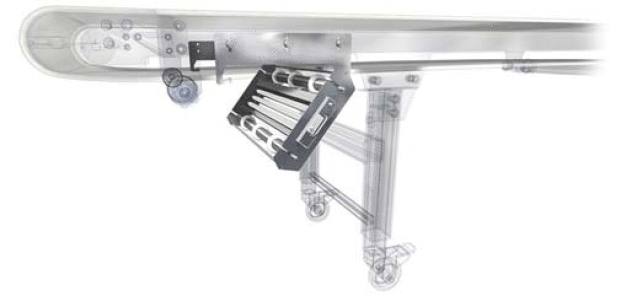
The housing of the T2011 is waterproof according to IP 65, fully enclosed, and made of stainless steel, making the disinfectant particularly suitable for harsh operating conditions such as moisture, cleaning with chemical agents, and a daily burn time of up to 24 hours. (Source: sterilAir AG)
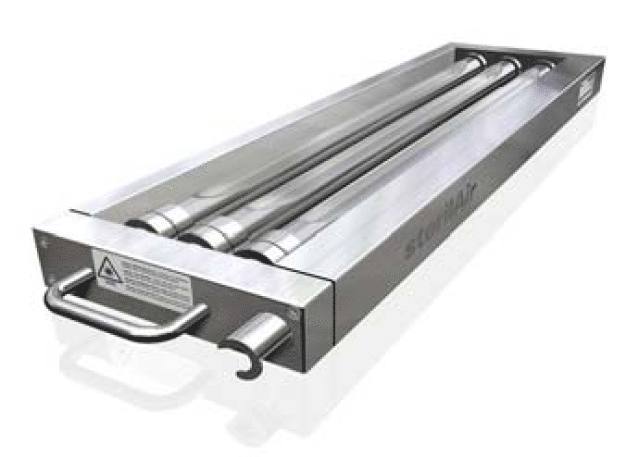
The housing of the T2011 is waterproof according to IP 65, fully enclosed, and made of stainless steel, making the disinfectant particularly suitable for harsh operating conditions such as moisture, cleaning with chemical agents, and a daily burn time of up to 24 hours. (Source: sterilAir AG)
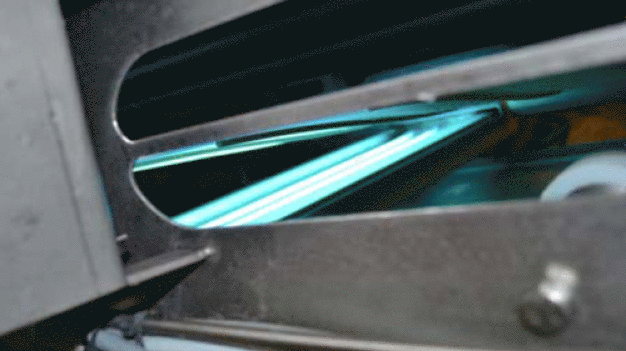
To ensure permanent sterilization of the meat bands, approximately 80 surface sterilization systems of the type T2011 were installed by the Goldschmaus Group, mainly on the disassembly and transport bands of the processing plant. (Source: Bösler Goldschmaus GmbH & Co. KG)
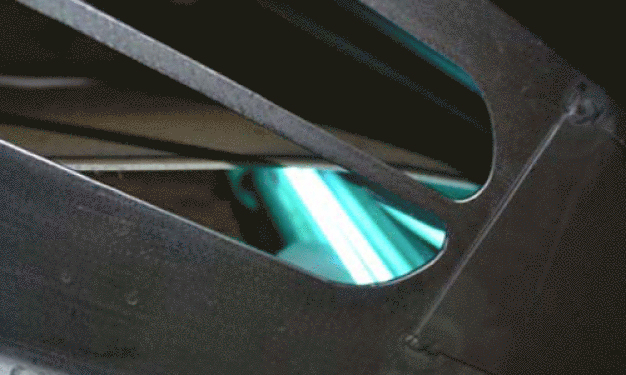
To ensure permanent disinfection of the meat bands, approximately 80 surface disinfection systems of the type T2011 were installed by the Goldschmaus Group, mainly on the cutting and transport bands of the processing plant. (Source: Böseler Goldschmaus GmbH & Co. KG)
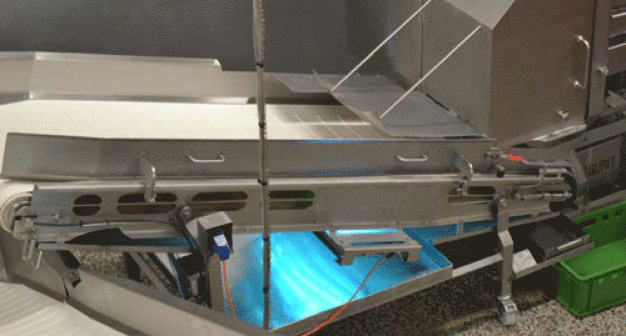
With the band disinfectants that inactivate the DNA of cells using UVC radiation, the hygiene requirements of the Goldschmaus Group are always ensured. (Source: Böseler Goldschmaus GmbH & Co. KG)

"It is clearly visible that there is very good efficacy of the band disinfectant. The expected improvements have occurred in every form," summarized Dimitri Bauer, Operations Manager at Böseler Goldschmaus. (Source: Böseler Goldschmaus GmbH & Co. KG)

"Since raw meat provides an optimal nutrient medium for bacteria, a conveyor belt without disinfection would become contaminated within just two hours to such an extent that quality assurance would have to shut it down immediately and initiate a thorough cleaning," explains Martin Graupner, CEO of sterilAir AG. (Source: sterilAir AG)
The Food Hygiene Regulation (LMHV) requires all businesses in Germany to ensure continuous food safety. In addition to implementing effective inspection and safety measures (§ 3-8 LMHV), the highest standards of cleaning and especially hygiene capability are also required for the equipment used (EC 853/2004 and 854/2004). The EC regulations explicitly address the handling of food of animal origin. This also applies to the machines of the Goldschmaus Group, which slaughter and process 30,000 pigs per week and about 450 cattle. To reliably minimize germs during the subsequent processing of raw meat on the conveyor belt and thus comply with legal hygiene requirements, the company has now deployed around 80 conveyor belt disinfectors of device type T2011 from sterilAir AG. These were specially developed for harsh environments and enable reliable disinfection by eliminating existing germs.
Raw meat – like all fresh products – is moist and provides an ideal breeding ground for bacteria with fat, blood, or water residues on the transport belts of a slaughterhouse. “If nothing is done here, the belt would become so contaminated within just two hours that quality assurance would have to shut it down immediately and initiate cleaning,” explains Martin Graupner, Managing Director of sterilAir AG, the problem. Although fresh meat from a healthy slaughtered animal is inherently sterile, this condition changes through aging, storage, transport, and the use of work tools. With 10 million germs per square centimeter, the spoilage threshold is already reached according to the definition, making the product unfit for consumption. The lower the microbial load of the meat during the production process, the longer it takes to reach this limit. The requirement for manufacturers to guarantee as long a shelf life as possible for their products is therefore significant. “In addition to normal microbial contamination from the air, contact surfaces, especially, pose a high contamination risk due to smear contamination. The goal of our disinfection systems is to minimize this risk as much as possible. They support users in complying with the strict hygiene requirements that a modern processing plant must meet,” says Graupner.
To ensure permanent disinfection of the meat belts, around 80 surface disinfection systems of type T2011 for under-belt mounting were installed mainly under the processing and transport belts of the slaughter and processing plant within the Goldschmaus Group. The systems were also installed on the crates washing belts to disinfect the finished crates according to the highest hygiene standards. The devices operate during production to disinfect the belts so that the microbial load remains below the threshold values. By mounting below the transport belts, the disinfection process does not need to interrupt the workflow.
Continuous disinfection without process interference
The company benefits especially from a simplified and shortened workflow. Additionally, savings can be achieved by eliminating unnecessary disinfectant use. “Before we used the T2011, the surface was disinfected with alcohol-based surface disinfectants,” describes Dimitri Bauer, Operations Manager at Bösler Goldschmaus, the situation. “Now, we can save one to two hours of work per day for interim disinfection because the belts on which the meat is transported no longer need to be disinfected individually during production. The belt disinfectors, which use UVC radiation to inactivate the DNA of cells, ensure microbiological safety and hygiene standards. “It is clearly visible that very effective results are achieved. The expected improvements have fully materialized,” Bauer concludes.
After most disinfectors were installed at Goldschmaus Group in early 2012, additional systems were added over the past years due to the continuously increasing hygiene requirements and to ensure quality. During the initial installation, cables were laid and tilting devices for cleaning were mounted. This meant that installation time per belt disinfector was about half an hour. “Retrofitting, due to maintenance or repair measures after disassembly, can be completed within a few minutes,” says Bauer. Since many of the devices are mounted under the belts using special tilting drawers, an automatic shutdown is now also required. “If the device is not turned off before tilting, the operating personnel must not be harmed by UV radiation,” explains Graupner. “For all systems since model year 2013, a simple electronic exchange via plug adapters is possible. The user can convert their device themselves by simply replacing the waterproof electrical rail with one that has an integrated tilt switch.” This solution will be further implemented in the coming weeks and months.
Highest performance under harsh operating conditions
The housing of the T2011 is waterproof according to IP 65, fully enclosed, and made of stainless steel, making the disinfectant particularly suitable for harsh conditions such as moisture, cleaning with chemical agents, heat-sensitive surfaces, and continuous operation for 24 hours daily. sterilAir recommends replacing the UV lamps after a maximum of 12,000 hours of operation to ensure sufficient operational safety. Depending on the application, the T2011, which complies with HACCP guidelines, is available in three different sizes, with radiation widths from 343 mm and 5.70 kg to 785 mm and 9.10 kg.
Goldschmaus Gruppe
49681 Garrel
Germany