

- Translated with AI
The new EU Medical Devices Regulation also presents major challenges for the 3D printing industry
Copyright Dreigeist
Copyright Dreigeist
Copyright Dreigeist
Copyright Dreigeist
On May 5, 2017, the European Parliament adopted the new Medical Devices Regulation (Medical Device Regulation, MDR), replacing the current Medical Devices Directive and the Directive on Active Implantable Medical Devices. This decision entails significant changes for manufacturers of medical technology products. The removal of grandfathering protection requires all currently approved medical devices to undergo a new clinical evaluation and certification.
3D printing processes are still in the early stages of medical application but are gaining increasing acceptance. A good example of this is the dental industry, which is increasingly relying on additive manufacturing and faces major challenges due to the new EU regulation. The requirements of the MDR affect the entire process chain, especially quality assurance and monitoring, as well as seamless traceability. It is essential to leverage the current situation and establish universally applicable standards for 3D-printed medical devices. Especially with regard to the closed process chain, these standards are all the more necessary.
Definition of universally applicable industry standards
The 3D printing company DREIGEIST from Nuremberg is actively involved in defining general classifications for the manufacturing of generative products. The goal is to create highly sensitive, patient-specific medical devices that meet the high EU manufacturing standards.
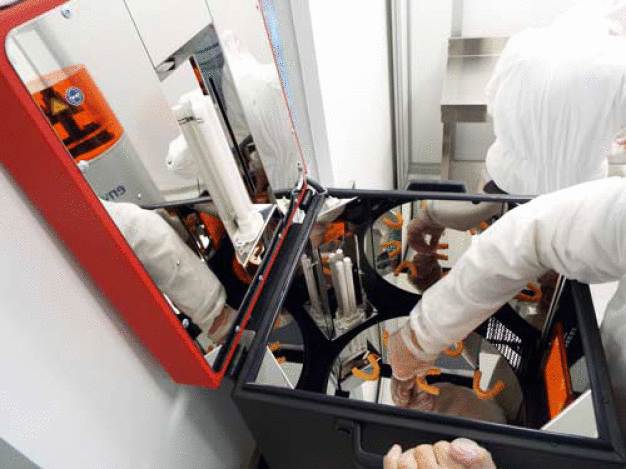
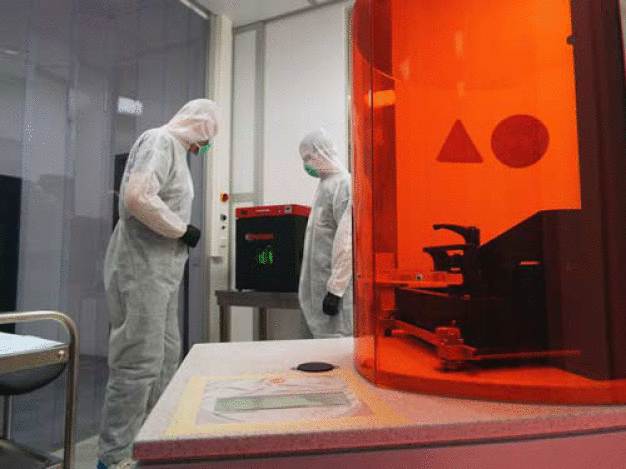
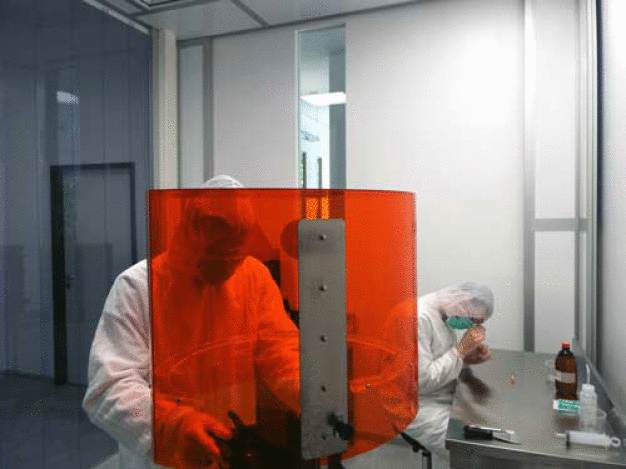
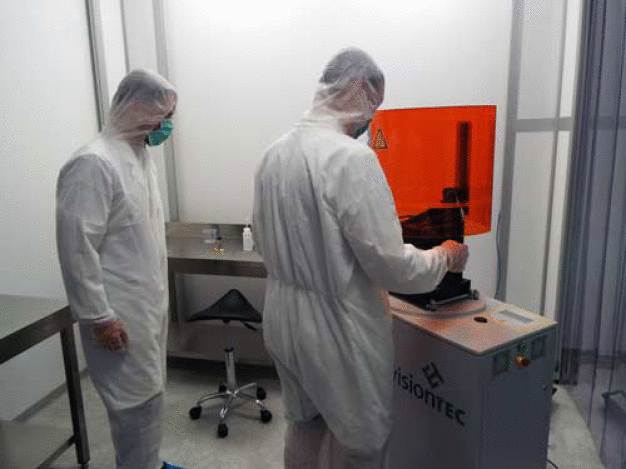
The specialist in industrial 3D printing is commissioning its cleanroom for generative manufacturing right on time with the entry into force of the new EU regulation. Depending on customer requirements, specific production environments are created within ISO classes 6-8. Manufacturing under cleanroom conditions enables particle-free production and is used not only in medical technology but also in aerospace engineering or electrical engineering.
“We have invested a lot of time and energy into implementing a cleanroom that complies with the MDR requirements. Throughout the entire process, we have gained valuable experience that benefits our future work with cleanroom technology. We want to share this knowledge across the industry and make it available to other companies,” explains Mareike Neumann, co-founder and CEO of DREIGEIST.
Using internal QM/QS systems and production in the cleanroom, DREIGEIST keeps the closed process chain firmly in focus and is setting the course for the future. Together with Siemens PLM and EnvisionTEC, efforts are underway to close existing gaps within the process chain in accordance with MDR.
Companies can rely on professional support
As a reliable sparring partner, DREIGEIST supports companies that need assistance with implementing the new regulations or are planning to switch their production to 3D printing technology. This also includes training the “qualified person” that companies must designate according to MDR to ensure compliance. Discussions with partners and customers from industry and research form the foundation for future-oriented solutions for the technical implementation of the regulation.
“DREIGEIST not only takes care of the requirements of current industry but also actively engages with future developments in additive manufacturing. We see major topics approaching us, such as the use of artificial intelligence, especially in quality assurance and monitoring of products and processes,” says Christopher König, co-founder and CTO of DREIGEIST.
Business activity with high responsibility
Apart from technological aspects, the 3D printing expert also considers the ethical principles and their limitations underlying the 3D printing industry. Projects like SMARTmap work hand in hand with 3D printing technology companies like DREIGEIST to define a universal framework.
The full impact of the new MDR is not yet foreseeable. Nevertheless, the 3D printing technology industry can already benefit from the new legislation. Establishing and implementing industry standards directly from the user’s perspective is an opportunity that must be seized. DREIGEIST takes its responsibility as a specialist in generative manufacturing for industry and research very seriously and will continue to be heavily involved in quality management and standardization of additive manufacturing in the future.
DREIGEIST GbR
90411 Nürnberg
Germany