

- Technology
- Translated with AI
The examiner himself: Special tool allows laboratory staff to independently qualify their own equipment regardless of manufacturer
Intuitive Software guides you securely through the process

Chromatography is now indispensable in modern laboratories. This applies to quality control in pharmaceutical production as well as in cosmetics manufacturing, and also in the fields of food and life sciences. (Source: AnaTox GmbH & Co. KG / pixabay.com)

Chromatography is now indispensable in modern laboratories. This applies to quality control in pharmaceutical production as well as in cosmetics manufacturing, and also to the food and life science sectors. (Source: AnaTox GmbH & Co. KG / pixabay.com)
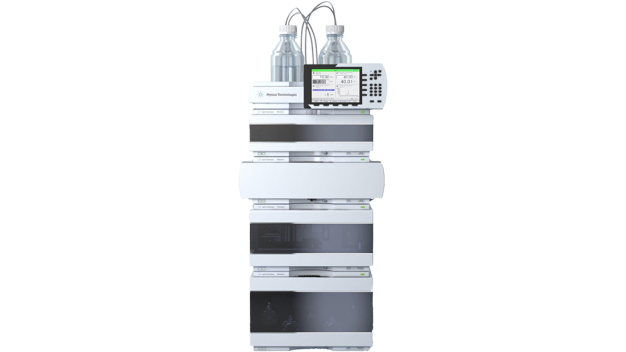
Many laboratory areas across various industries operate in a regulated environment, which is why the instruments used there must be regularly qualified. (Source: AnaTox GmbH & Co. KG / pixabay.com)
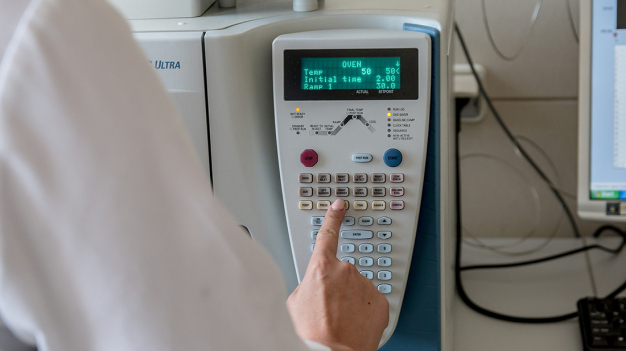
Many laboratory areas across various industries operate in a regulated environment, which is why the instruments used there must be regularly qualified. (Source: AnaTox GmbH & Co. KG / pixabay.com)
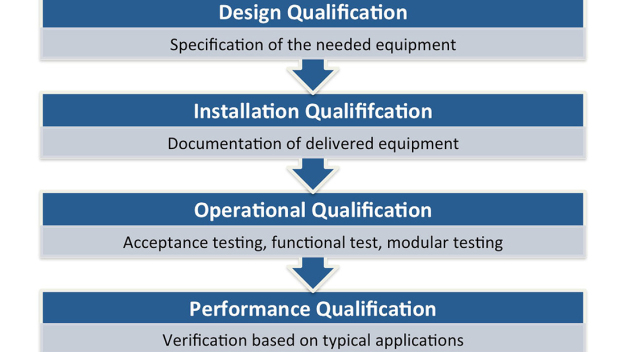
The tests of the tool are designed to meet all common standards and to be able to represent qualification according to the 4Q model. (Source: AnaTox GmbH & Co. KG)

"Mandatory tests are displayed automatically and sorted sequentially. This ensures that no test is forgotten or can be skipped," reports Detlef Wilhelm, Managing Director of AnaTox GmbH & Co. KG. (Source: AnaTox GmbH & Co. KG)
AIQ Tool
Chromatographic devices in a regulated environment must be regularly qualified either by the manufacturers themselves or by inspection agencies. Due to the generally applicable standards, including those from pharmacopoeias, very different procedures are sometimes used, so each inspector demands different support, for example regarding sample selection. For device users, this entails high costs and administrative effort. Additionally, the testing duration varies, meaning devices may need to be taken out of operation for several hours or days. To make qualification more cost- and time-efficient, AnaTox GmbH & Co. KG has developed the AIQ tool: with this software, authorized device users are enabled to perform qualifications independently and in a very short time, regardless of the manufacturer. Standardized tests have been developed for this purpose, covering all standards and enabling cross-border comparability. During the automated execution of all relevant qualification tests, the user is intuitively guided through the process. Meanwhile, the software monitors all parameters and prevents manipulations, among other things, through its own data storage. The AIQ tool was introduced at Analytica in Munich.
Chromatographic systems — that is, systems in which samples are broken down into their individual components and analyzed — are part of the standard equipment in many laboratories. This applies to pharmaceutical production as well as cosmetics manufacturing, and also to food and life sciences. These are usually referred to as the "regulated environment," which is why common standards such as 21 CFR Part 11, EPA CROMERR, Good Laboratory Practices (GLP), and Good Manufacturing Practices (GMP) are applied for device qualification. The goal is, on the one hand, to obtain reliable and accurate data from the devices that confirm proper operation, and on the other hand, to avoid conditions such as "out of specification." "The requirements are very general, so each manufacturer can design the qualification process as they see fit, as long as the criteria of the regulations are met," reports Detlef Wilhelm, Managing Director of AnaTox GmbH & Co. KG. "For users, this means enormous effort, as they have to qualify each device individually according to the specifications of the respective manufacturer."
The AIQ (Automatic Instrument Qualification) tool from AnaTox GmbH & Co. KG provides a remedy here. This software assists in characterizing the instruments by largely automating system tests and complete installation, operation, performance, and repair qualification procedures, guiding the user safely through the process. All tests can be performed by laboratory staff with appropriate training and certification — there is no longer a need to commission an external testing laboratory or the device manufacturer. This saves time and costs, and the laboratory is no longer dependent on external entities.
Manipulation-free and manufacturer-independent qualification
Initially, the user’s release permissions are checked, which are certified by AnaTox in a training before first working with AIQ. After login, the software detects which devices are registered and connected, and generates a list of relevant qualification and operational tests. "Mandatory tests are automatically displayed and sorted in sequence. This ensures that no test is forgotten or skipped," adds Wilhelm. The tool guides the user step-by-step through the process and, for example, specifies which reference samples are needed for each test. Once their use is confirmed (e.g., via certificates) and the corresponding test is initiated, the software carries out all further steps in communication with the device. The driver concept of the AIQ tool uses direct control of the connected instrument for data exchange. The existing chromatography data system (CDS) and connected handheld devices are blocked so that the qualification of individual devices does not affect the already qualified environment in the laboratory. All parameters are continuously monitored, and the recorded results — including all raw data and metadata — are stored in the system’s own database, making manipulation impossible from external access. Error messages and the steps initiated by the user in such cases are also recorded (audit trail). Additionally, a report is automatically generated at the end, which can serve as proof of successful qualification.
AnaTox conducts training sessions with personnel beforehand, defining various access rights and issuing certificates. This allows determining whether an operator is authorized to perform qualification or only has access to the actual report. It is also possible to specify whether users are granted insight into reports from other systems or older tests in the laboratory. This prevents manipulations or incorrect test procedures by unauthorized staff. At the same time, it provides security for personnel, as responsibilities are clearly defined. Repaired or replaced modules can also be quickly re-qualified. The tool automatically detects newly registered components and generates corresponding test procedures to ensure the qualification status complies with standards. "The qualifications typically take three to four hours depending on the complexity of the connected system, so the daily laboratory operations are minimally affected," Wilhelm concludes.
AnaTox GmbH & Co. KG
15517 Fürstenwalde/Spree
Germany