
- Clothing & Packaging / Films
- Translated with AI
Pfennig Reinigungstechnik
Product and process safety in focus
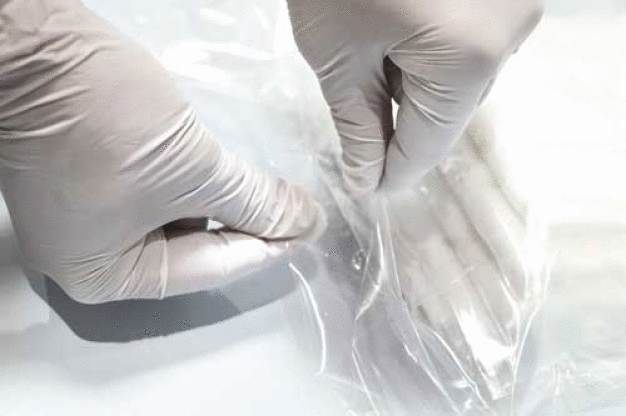
Fig. 1: Application-related properties also influence the choice of packaging. For example, the simple and hygienic opening of the packaging with the so-called peel-off technique. (Source: Pfennig Reinigungstechnik GmbH)
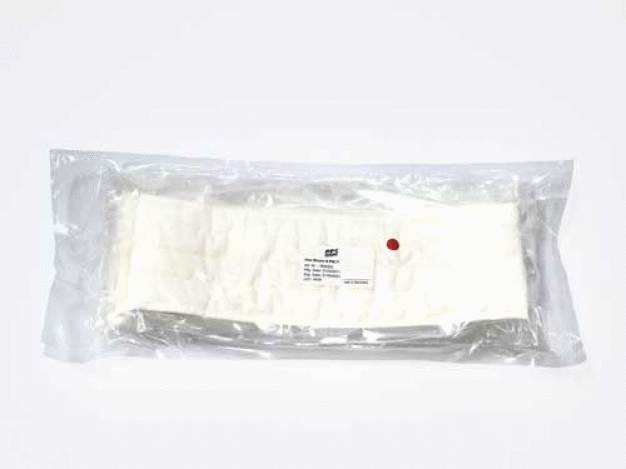
Fig. 2: In addition to sterilization testing, the suitability of the packaging is also checked. An application-related advantage is a slight vacuum that does not impair the functionality of the fibers. (Source: Pfennig Reinigungstechnik GmbH)
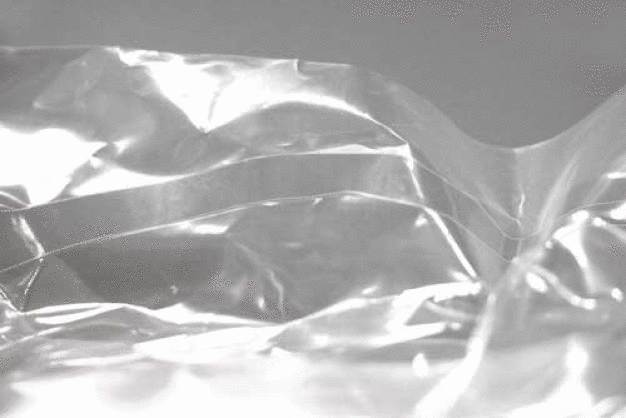
Fig. 3: A significant barrier is the sealing. Therefore, within packaging validation, not only the sealing process is checked, but also the integrity of the seal. (Source: Pfennig Reinigungstechnik GmbH)
In all areas concerning human health, consumers rely on the applied products being free of harmful germs. The demand for germ-free products is therefore indispensable in many manufacturing sectors to ensure consumer safety. This is especially true for the production of sterile products such as pharmaceuticals or medical devices, where the absence of all viable microorganisms is required.
The implementation of sterilization requirements to ensure consumer protection affects not only the production environment but also all materials introduced into this area. These materials include, for example, raw materials, packaging and process materials, as well as cleaning utensils that are used daily in sterile areas. The purity tests of product- and process-related materials are given great attention, while the responsible personnel in manufacturing often rely on supplier statements for consumables such as cleaning and disinfecting agents, wiping textiles, and other equipment. However, due to globalization, consumables, especially wiping textiles, are also coming from countries that may not fully meet our high hygiene standards and quality expectations. Therefore, it is advisable to question the statements and documents provided by suppliers.
An optimal product safety of sterile consumables begins in the development phase, as the sterilizability of the materials must be guaranteed without impairing their functionality. To ultimately obtain a truly sterile consumable at the end of the manufacturing process, the individual process steps must be considered. Particularly the critical process steps, i.e., those procedures that influence the microbiological status. The following describes the development process of a sterile disposable wiping textile.
Material
Moist thermal processes and radiation can alter the fiber properties of textiles. This can, for example, lead to increased particle shedding or a deterioration of absorbency. Therefore, textiles must be suitable for the sterilization process, or the process must be adapted to the material.
Washing process
The production of wiping textiles cannot be contamination-free due to the textile base material and manufacturing processes. Therefore, reprocessing holds particular importance. Reprocessing becomes a critical control point that must be carried out under secured and validated conditions.
The task of the washing process is to remove residues from textile production, such as fibers from cutting processes, human particles from staff, or technical auxiliaries, and to restore the functionality of the fibers. Additionally, the washing process achieves a fundamental microbiological cleanliness. This microbiological purity is not only necessary for the use of wiping textiles in hygienically sensitive manufacturing areas but also a prerequisite for effective, validated irradiation. In summary, a washing process is also indispensable for disposable wiping textiles!
To achieve microbiological cleanliness in the washing process, appropriate water quality and a washing temperature of at least 60°C, preferably 90°C, are necessary. To prevent cross-contamination during and after washing, the process and subsequent packaging are carried out under clean and qualified environmental conditions. It should be noted that in non-European countries, washing and packaging may be performed in clean rooms, but the use of water with appropriate quality and washing at temperatures above 30°C is not standard.
Sterilization
If sterilization is required, an additional processing step follows the washing process, using steam sterilization or irradiation. While disposable covers are primarily irradiated for cost reasons, reusable wiping textiles are mainly autoclaved immediately after washing in cleanroom laundry. Both procedures only meet regulatory requirements if sterilization can be demonstrated. Therefore, these processes are validated and documented according to regulatory standards. Validation of sterilization processes requires a minimum microbial load, which, as described, is achieved through an effective washing process.
The validation of the radiation sterilization of a disposable wiping textile consists of microbiological validation, dosimetric validation, and application validation. Microbiological validation determines the radiation dose necessary to achieve a sterile product. The radiation dose depends on the textile materials, the thickness of the wipe, considering the number of layers, and the type of packaging. Dosimetric validation ensures that the determined radiation dose is maintained throughout the entire irradiated batch with the specified packaging and packing scheme. This involves a so-called "dose mapping," where the positions and absorbed values of the minimum and maximum radiation doses are determined and documented. Application validation verifies whether the packaging material is suitable for the performed irradiation and whether the irradiation affects the desired properties of the wiping textile.
After process validation, routine irradiation is possible, provided the packing scheme remains unchanged. With no changes to the packing scheme, the radiation intensities in the irradiated batch remain largely consistent, and routine operation can be verified simply by using a dosimeter at a predefined location. Subsequently, a batch-specific irradiation certificate confirms that the irradiation was carried out according to the validation plan. An irradiation indicator shows a successful sterilization through a color change and facilitates the distinction between irradiated and non-irradiated wiping textiles.
Packaging
Due to globalization, exemplified by high imports of cleanroom wiping textiles from Asia, another factor becomes increasingly important alongside process validation and irradiation: packaging. While the wiping textile may be sterile after irradiation, is the textile still sterile upon arrival after transport—typically over long water routes with various environmental conditions?
In addition to irradiation validation, packaging validation is necessary to ensure sterility. Packaging validation assesses, on the one hand, the biocompatibility of the packaging materials and, on the other hand, the process capability of the sealing process and the integrity of the seal.
The use of a sterilization barrier system according to regulatory standards guarantees sterility over a defined storage period, considering specified storage conditions. However, there is a risk that these prescribed storage conditions are difficult to maintain over longer transport routes. Therefore, short and predictable transport routes are advantageous.
Conclusion
Especially in highly sensitive areas such as sterile manufacturing, ensuring the defined properties and thus the guaranteed sterility is crucial. Evidence and verifications are therefore indispensable. This also applies to consumables that are not directly in contact with the product but are still used daily in sterile environments. Only the validation of the various processes that a wiping textile undergoes guarantees the germ-free or sterile state desired by manufacturers, regulators, and above all, consumers.

Pfennig Reinigungstechnik GmbH
Heubachstr. 1
87471 Durach
Germany
Phone: +49 831 561220
Fax: +49 831 61084
email: info@pfennig-reinigungstechnik.com
Internet: http://www.pfennig-reinigungstechnik.com