

- Production & Procedure
- Translated with AI
Primary packaging materials in cleanroom environments
Requirements, Risks, and Solutions for Plastic Packaging
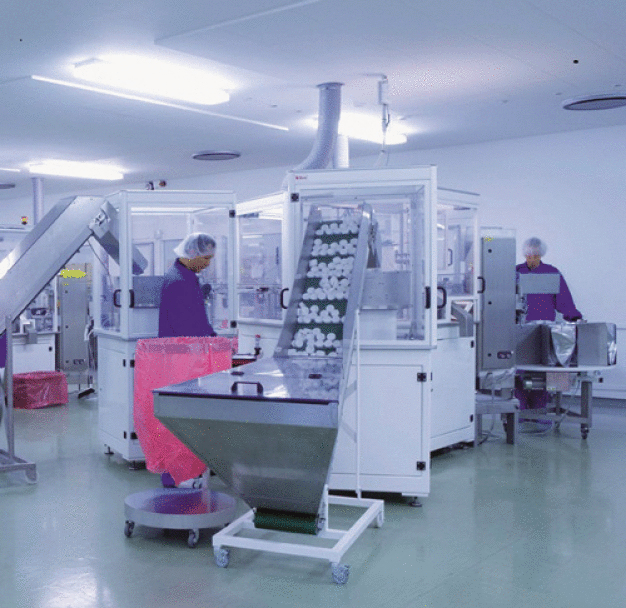
Fig. 1: Typical use of foil bags in a cleanroom production at Gerresheimer. (Source: Gerresheimer)
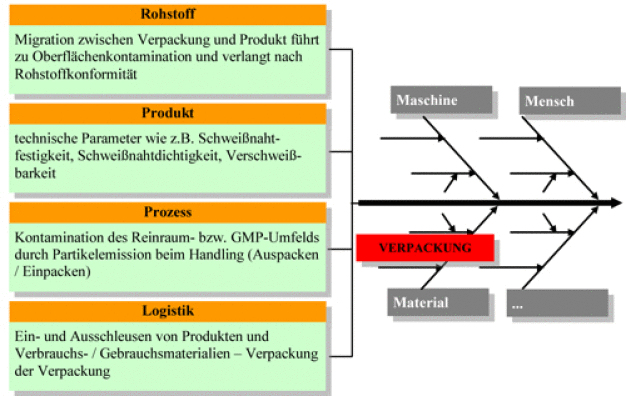
Fig. 2: Contamination risks of packaging (Source: Strubl)
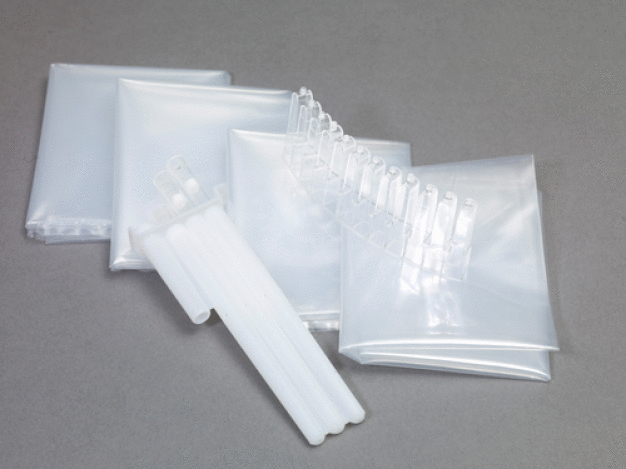
Example: Cleanroom bag for medical technology plastic parts (Source: Strubl)
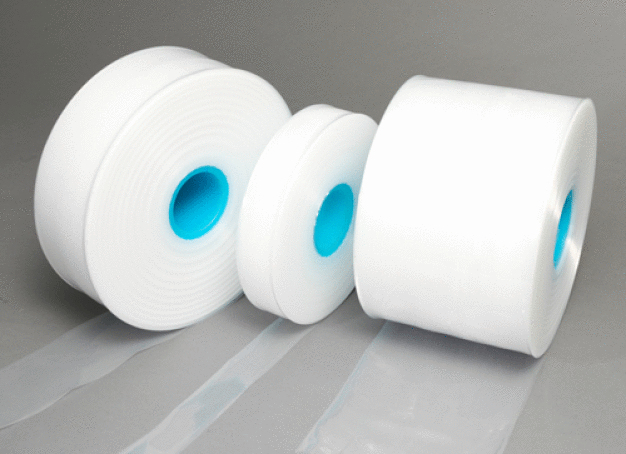
Example: Cleanroom tubing foil for implants (Source: Strubl)
Primary packaging made of plastic comes into direct contact with the product. When used in an ISO 14644 – cleanroom environment, this results in high requirements for their cleanroom suitability. STRUBL plastic packaging has developed special cleanroom packaging for this highly sensitive application, which can be used in a cleanroom- and GMP-compliant manner to prevent contamination risks to the product and in the process.
With the publication of VDI Guideline 2083 Part 9.2 under the title “Cleanroom Technology - Consumables in the Cleanroom” in January 2017, a practical
guideline for assessing consumables is available. The field of consumables includes, among others, gloves, reusable clothing, cleanroom shoes, cleaning cloths, disposable clothing, mops, but also packaging materials, according to VDI. All are used in pure, usually ISO 14644-qualified cleanroom production environments and often come into direct contact with the product. Cleanroom production is found in both the life sciences – such as pharmaceuticals, medical technology (see Figure 1), food – but also in technical industries such as chip manufacturing, (micro)electronics, optics, photovoltaics, or automotive. The product spectrum manufactured in cleanrooms is enormous and includes, for example, pharmaceutical active ingredients, implants, medical components, parts, and assemblies. As a result, cleanroom consumables in general and packaging materials in particular pose special contamination risks for the pure product and the pure production environment.
The classic packaging functions can be described based on the features of protection (contamination, counterfeiting), logistics (transport, distribution, storage, handling), and information (identification, instructions for use, advertising). The GMP guideline, as a key reference, also states requirements for packaging materials in various sections. The same quality standards are applied to packaging as to raw materials and other starting materials: “The selection, qualification, approval, and maintenance of suppliers of primary and printed packaging materials should be given as much attention as suppliers of starting materials.” (see GMP Chapter 5.45).
Plastic packaging – including, for example, bags, sacks, gusseted bags, cuttings, films, hoses made of plastic – are the widely used
packaging materials in GMP and cleanroom production at all levels of the value chain. Raw materials and starting materials are packaged in plastic packaging just as intermediate products, assemblies, individual parts, and of course the final product. From the perspective of the respective product, film packaging is also classified at each stage of the value chain as a “primary packaging material”. Accordingly, the requirements for the producers of these primary packaging materials are very high, because it’s about risk and safety and the avoidance of contamination risks (see Fig. 2):
- Product safety in terms of consumer protection: protecting the product from contamination by the packaging
- Process safety in terms of GMP and cleanroom suitability: protecting the process environment at the user of the packaging materials
In summary: Packaging used in GMP/cleanroom environments must meet the same quality requirements as the product manufactured in GMP/cleanroom environments. A detailed packaging specification must form the basis. The GMP guideline defines the following requirements in section 4.11: “Specifications for starting materials and packaging materials: Specifications for starting materials and primary or printed packaging materials should (where applicable) include: a) a description of the materials with the designated name and internal reference code; if available, reference to a pharmacopoeia monograph; indication of approved suppliers and, if possible, the original manufacturer of the products; a sample of the printed packaging material; b) provisions for sampling and testing or reference to appropriate procedural descriptions; c) qualitative and quantitative requirements with permissible limits; d) storage conditions and any precautions; e) the maximum storage duration until re-evaluation.”
STRUBL plastic packaging has met these demanding requirements and developed a production system for manufacturing GMP- and cleanroom-compliant plastic packaging. In doing so, the recommendations of various relevant standards, which can be used for process or product design, were taken into account, such as:
- EU Good Manufacturing Practice guideline
- DIN 15378, DIN 15593, DIN 11607, DIN 11137, DIN 11737
- Cleanroom technology: DIN 14644, DIN 14698, VDI 2083
- Food packaging, IFS / BRC, EU 10/2011
- EU Pharmacopoeia / USP / FDA 21 CFR,
STRUBL develops and manufactures tailored cleanroom packaging for individual customer specifications: in addition to flat and (semi)tubular films, primarily bags and sacks, gusseted bags, block-bottom bags, multi-chamber, double bags, and sterilization bags. A particularly interesting solution for entry and exit in multi-stage cleanroom zone concepts is the use of so-called sack systems. STRUBL supplies these as interlocked sack systems. At the customer’s site, these are opened, and the inner bag is filled with products. Then, the individual bags are sealed separately and can later be removed sequentially in the logistics process, similar to a “layered onion model,” in the individual cleanroom zones. This eliminates the complicated handling during filling in the cleanroom. The products are manufactured in a GMP-compliant cleanroom using state-of-the-art technologies. Based on an ISO 9001 quality management system, a professional GMP system has been implemented. This includes specifications, monitoring, hygiene management, cleaning concepts, risk analysis, traceability, validation, and more. With over 65 years of experience, the medium-sized family business supplies these cleanroom packaging solutions to renowned manufacturers in the pharmaceutical and medical technology industries, as well as companies in chemistry, automotive, food, and microelectronics. The products are used both as primary and secondary packaging materials.

Strubl GmbH & Co. KG Kunststoffverpackungen
Richtweg 52
90530 Wendelstein
Germany
Phone: +49 9129 90350
email: christoph.strubl@strubl.de
Internet: http://www.strubl.de