- Packaging
- Translated with AI
Pöppelmann FAMAC® expands automation
New packaging machine takes cleanroom production to the next level
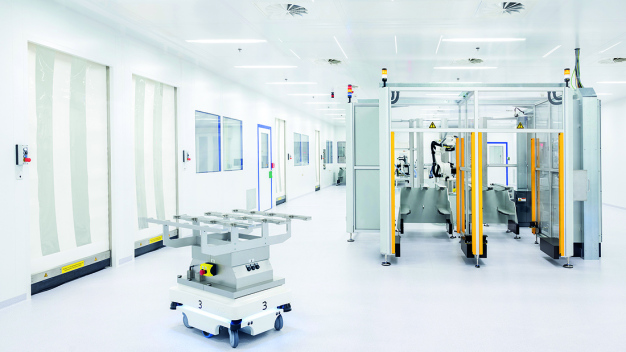
Fully automatic packaging system: Pöppelmann FAMAC® is advancing the automation of its cleanroom production.
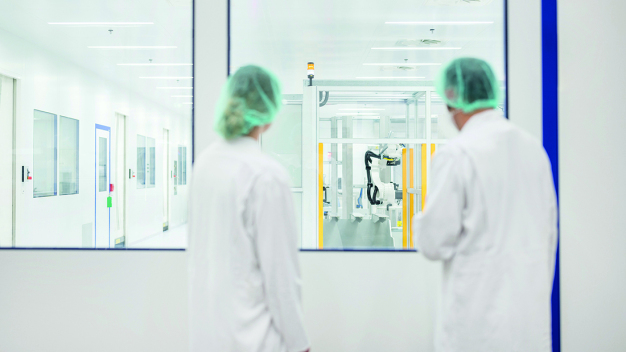
Cleanroom capacities significantly expanded: The automatic packaging system is part of the new cleanroom, which has been extended by 222 m².
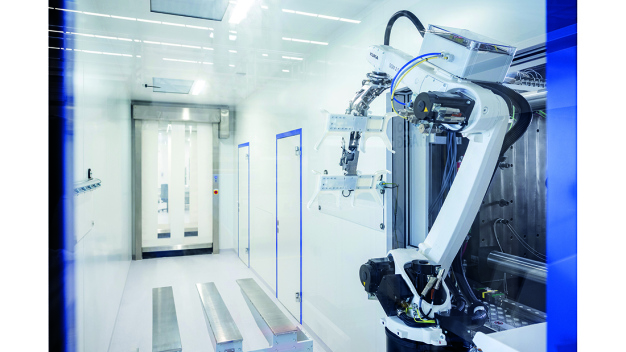
Pöppelmann FAMAC® sets standards: With automation for increased efficiency, even higher safety, seamless traceability, and resource conservation.
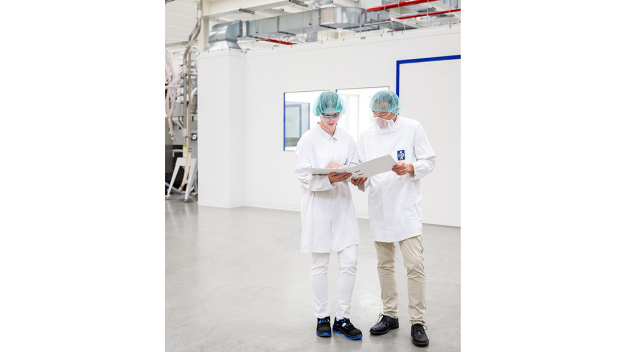
Pöppelmann FAMAC® offers customers in highly regulated industries state-of-the-art, GMP-compliant solutions.
With the commissioning of a fully automated packaging system, Pöppelmann FAMAC®, a specialist in plastics processing for highly regulated industries, is consistently expanding and optimizing its cleanroom production. The new packaging machine complements the already expanded cleanroom. This provides the pharmaceutical-medical sector with a state-of-the-art solution for the safe, traceable, and resource-efficient packaging of products and plastic components – fully automatic and GMP-compliant.
The new packaging system is another building block in the automation initiative of the FAMAC® business division, which belongs to the Pöppelmann Group. The division manufactures, among other things, technical components and assemblies made of plastic for products used in the pharmaceutical and medical technology industries. FAMAC® has many years of experience in developing and producing products according to GMP requirements (Good Manufacturing Practice). Already in 2023, Pöppelmann invested in expanding its cleanroom capacities in this business area to meet the rising demand for strictly regulated production environments. The processes within the cleanroom have been fully automated since the last expansion – from the removal of parts from injection molding machines to handover to packaging. The new machine builds on this and offers a logical extension of the automation concept.
Continuous automation up to shipping
The packaging of plastic products for highly regulated industries now takes place without manual intervention. This increases process safety as well as efficiency in production. The parts produced by injection molding are removed from the mold by robots, inspected by a camera, and then stacked. Driverless transport systems (FTS) autonomously and safely handle transportation and handover to the packaging machine. The items then go through the packaging process. First, they are sealed in a cleanroom bag and labeled with an RFID tag. The RFID tags store complete batch information, which is digitally tracked through all subsequent process steps. The next step involves the mandatory double bagging. The finished packaged goods are then ejected from the system and packed into cartons.
Maximum process security through RFID technology
A central element of the new packaging system is the RFID-supported batch tracking. Each product receives its individual RFID tag with specific production data during packaging. These tags are automatically read at all subsequent process steps. The so-called “RFID gate” at the end of the packaging line ensures that no products with different batch information end up in the same carton. “The introduction of RFID-supported batch tracking at the product level enables seamless documentation of the packaging process, which is probably unique in this form. This means that automation does not end in the cleanroom but directly before the delivery step. In this way, we not only further increase process safety but also make traceability even easier – a key advantage for our customers, who could also adopt and automate these data at their incoming goods inspection,” explains Mike Landwehr, Deputy Sales Manager Pharma-Medical.
The foundation: The expanded cleanroom
The basis for continuous automation in a cleanroom environment was created by the new 222 m² cleanroom, which has expanded the existing space at Pöppelmann FAMAC® to a total of around 870 m². The expansion enabled the connection of eight large injection molding machines with clamping forces up to 900 tons – a significant leap from the previous 200 tons. “Since commissioning, we can now also produce large-format pharmaceutical items, such as packaging for the safe transport of glass and plastic syringes, under the highest cleanliness conditions. The innovative machine design, including encapsulated lubrication, further reduces the risk of particle ingress,” says Mike Landwehr. The expansion of capacities was accompanied by comprehensive digitization: production and packaging data are networked, processed automatically, and documented – seamlessly flowing from the production line through the automatic transport via FTS to the packaging system, enabling complete real-time monitoring of the entire process. “This comprehensive digitalization represents a significant investment in Pöppelmann’s future viability. Especially for customers in the pharmaceutical industry, medical technology, and laboratory & diagnostics, who rely on complete traceability, this is a major added value,” emphasizes Mike Landwehr.
Resource conservation – less is more
Resource efficiency was also considered in the design of the cleanroom: injection molding machines and auxiliary equipment are located outside the cleanroom to reduce thermal loads and lower the energy demand for ventilation systems. Additionally, the material requirements for packaging were reviewed. Through optimized processes, film usage was reduced by more than 20 percent – without compromising quality or safety. “Such savings are achieved through critical review of our existing solutions, as we regularly question the processes and materials chosen – and with success,” reports the Deputy Sales Manager from the Pharma-Medical division. The company-wide initiative PÖPPELMANN blue® consolidates all activities of the four divisions aimed at resource conservation and climate protection. Product development across all business areas follows the Eco-Design principle. This means considering the environmental impact of a product throughout its entire lifecycle and minimizing it as much as possible. Under the motto “Reduce, Reuse, Recycle,” product concepts are created to reduce material and energy use during manufacturing, promote reuse where possible, and ideally close the material cycle through complete recycling. In pursuit of greater sustainability, existing products are also continuously improved. In highly regulated sectors like pharmaceuticals or medical technology, material changes are often difficult or impossible. Therefore, Pöppelmann FAMAC® focuses on potential savings through design modifications to reduce material needs, as well as process improvements to lower energy consumption or logistics. For example, a modified product design can significantly improve stackability and space utilization during storage and transport, with measurable success in reducing greenhouse gas emissions (GHG emissions).
Additional capacities in development
With the commissioning of the new packaging system, Pöppelmann FAMAC®’s automation initiative is not yet complete, explains Mike Landwehr: “We already have plans for another expansion of our cleanroom by more than 500 m². The goal is to offer multi-stage production processes, such as combining injection molding and assembly, under cleanroom conditions with optimized logistics. The commissioning of this space is planned for this year.” With the fully automated packaging machine, Pöppelmann FAMAC® has now achieved an important milestone and sets standards in cleanroom production – for greater efficiency, even higher safety, seamless traceability, and resource conservation. Customers benefit from highly modern, GMP-compliant solutions that meet the requirements of the pharmaceutical industry, medical technology, and laboratory & diagnostics – and help shape the future of packaging solutions for highly regulated industries.
Pöppelmann GmbH & Co. KG
49378 Lohne
Germany