


- Translated with AI
Optimal use thanks to dynamic simulation
Hygiene and efficient processes in central sterilizations
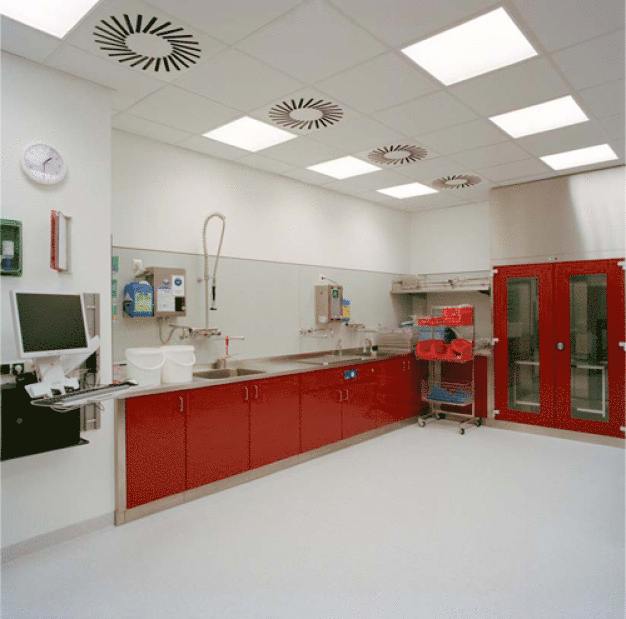
Example Central Sterilization: Dirty Side, Pre-cleaning Area (Image credit: HWP Planning Company Ltd., Photo: Peter Horn)
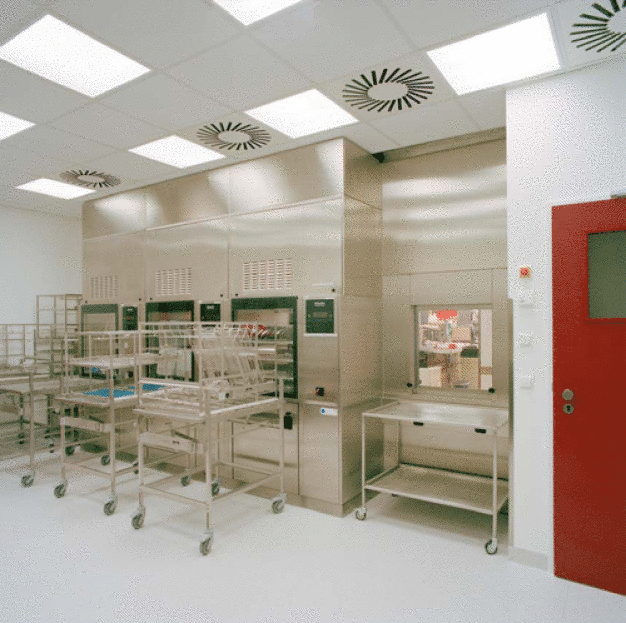
Example Central Sterilization: Cleaning and Disinfection Equipment (Image credit: HWP Planning Company Ltd., Photo: Peter Horn)
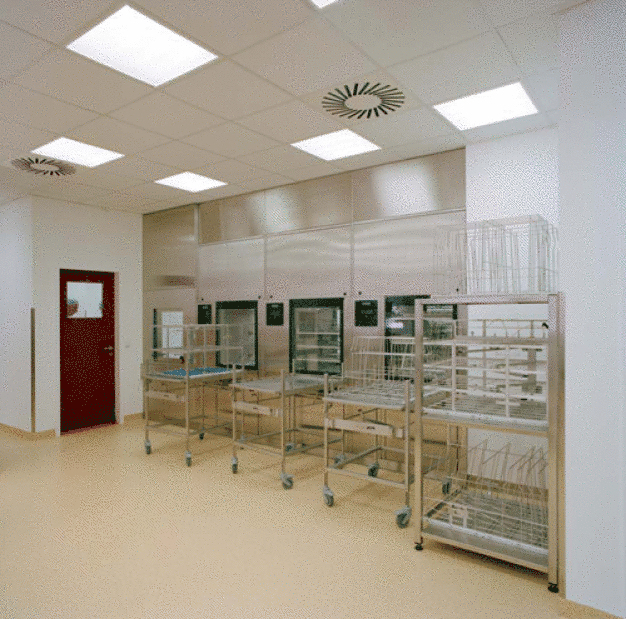
Example Central Sterilization: Removal Side (Image Credit: HWP Planning Company Ltd., Photo: Peter Horn)
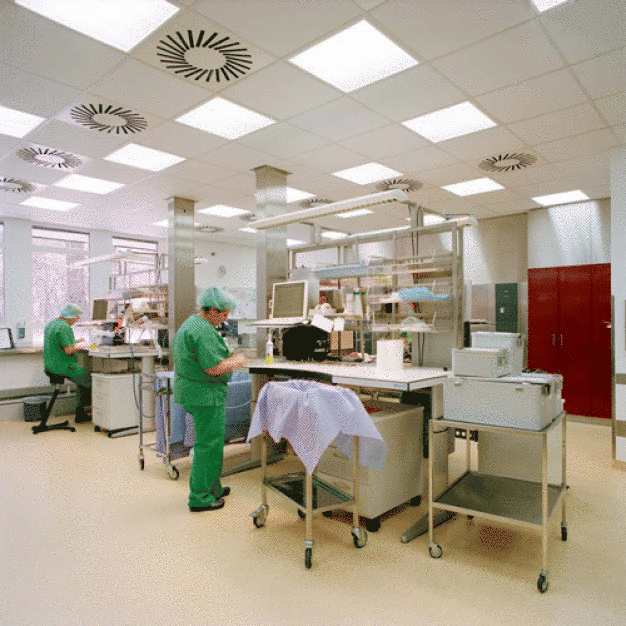
Example Central Sterilization, Packaging Area (Image credit: HWP Planning Company Ltd., Photo: Peter Horn)
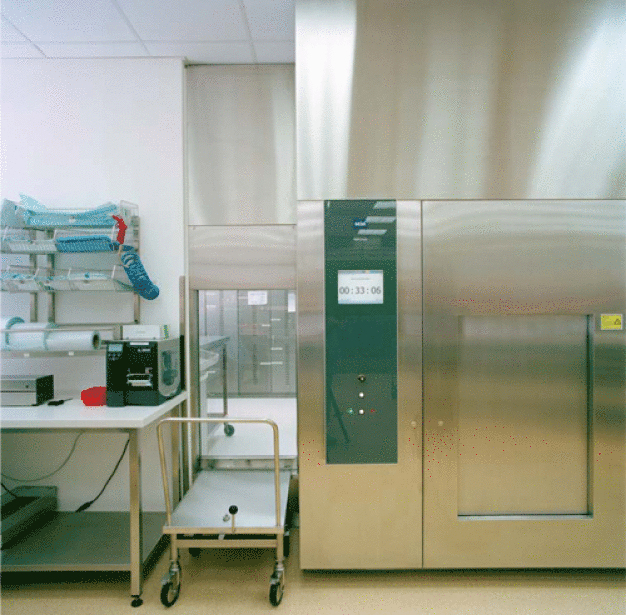
Example of central sterilization, loading side sterilization (Image credit: HWP Planning Company mbH, Photo: Peter Horn)
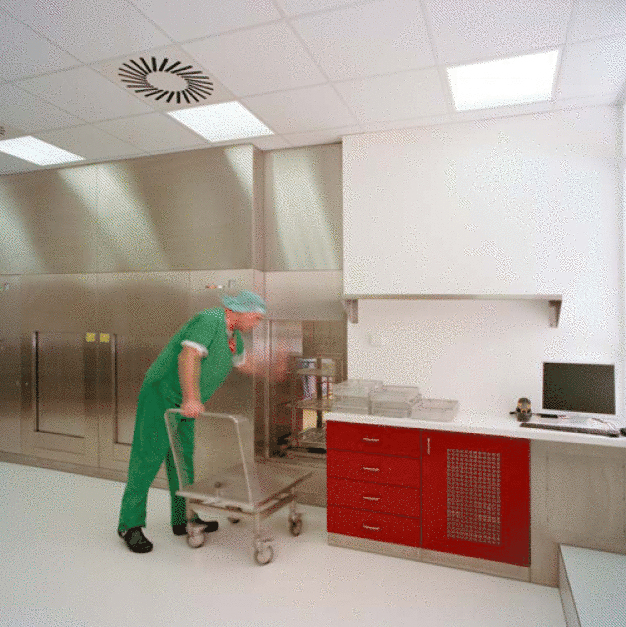
Example Central Sterilization, Unloading Side of Sterilization (Image credit: HWP Planning Company Ltd., Photo: Peter Horn)
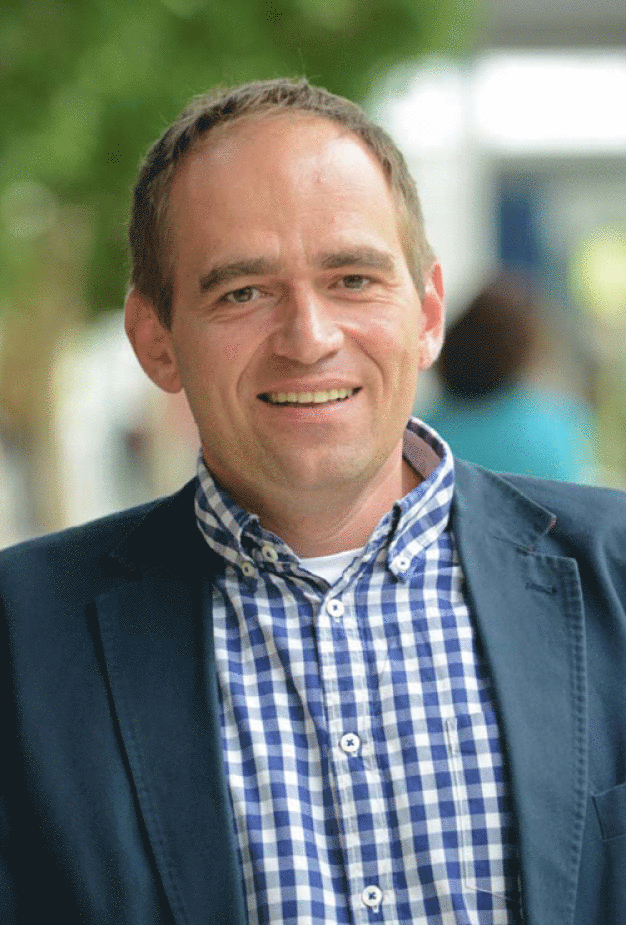
Frank Feinauer, Director of Nursing, Caritas Hospital Bad Mergentheim (Image credit: Caritas Hospital Bad Mergentheim)
Hospitals are currently facing increasing pressure to optimize the processes in their central sterilization departments (CSD). Following recent reports of systematic errors in the preparation of sterilized instruments for surgical operations in various hospitals, the regional authorities will conduct intensified inspections of central sterilization units with increased staffing. To support hospital managers in the systematic analysis and improvement of their processes, HWP Planning Gesellschaft mbH (HWP) and Gesellschaft für Betriebsorganisation und Unternehmensplanung mbH (GBU) have recently developed a new dynamic simulation method. The innovation of this method lies in its ability to determine the available capacities or utilizations of individual areas within sterilization departments. The practical example of the Caritas Hospital Bad Mergentheim was used to implement the dynamic simulation for the first time within a simulation study. Based on the results of this study, improvements have already been made.
The processes in sterilization departments, which are subject to high quality requirements for sterilized instruments, form the basis for properly cleaned sterilized goods and are a key point in risk and quality management in hospitals. Recently, various cases have been publicly reported where these quality standards were not met: insufficient qualified personnel, process non-compliance, structural deficiencies, and unvalidated equipment significantly increase the risk of improperly cleaned instruments. Under the impression of these hygiene scandals, the clinical supervisory authorities of the regional agencies will now carry out stricter inspections of sterilization units. It is expected that many modernization measures and new acquisitions will be necessary as a result of these inspections. For hospitals, it is important from the outset to ensure the economic efficiency of these investments. The dynamic simulation by HWP and GBU provides valuable support in this regard, as it differs from simplified, conventional calculations that assume a static load based on averages, which do not reflect reality.
New Method for Capacity Calculation of the CSD
The dynamic simulation by HWP and GBU, on the other hand, relies on a realistic depiction of capacities. This results in different utilizations compared to static calculations, leading to a better approximation of hospital reality.
The goal of the dynamic simulation by HWP and GBU is to distribute the internal and external inflow of unsterilized instruments throughout the day. This results in a staggered utilization of the various areas within the sterilization department.
For this purpose, a simulation model was developed that includes all subprocesses of the sterilization department, such as the pre-cleaning area, cleaning and disinfection devices (RDDs), transport trolley washers (WTWs), container washers (CWAs), packing tables, and the sterilizer. In addition to the subprocesses, dependencies between them and the staffing requirements for operation and manual tasks are incorporated. The resulting basic model can be parameterized, adapted to individual conditions, and thus used by many hospitals. The advantage of this approach is that it does not only consider an average day with an average load but examines many different possible days, generated beforehand through random-based methods. These simulate the entire spectrum of peaks and troughs, providing a more accurate reflection of hospital reality than a purely average-based approach.
Valid Data as the Basis for Simulation
Essential for conducting a simulation study of the sterilization department is an adequate data basis. This includes preparing various data sets such as the number and performance parameters of machines, the number of packing tables with the duration of each work step, staffing levels, and shift plans. Additionally, a load of sterilized goods to be cleaned is defined, primarily based on the hospital's surgical case numbers, specifying the necessary number of sets (e.g., seven) and containers for each operation type. Other relevant figures include treatment numbers from intensive care, data on the use of disposable items and sterile clothing, as well as external loads such as outpatient services or outpatient doctors.
In cases where empirical data is unavailable, forecasts or realistic assumptions are made. The parameters do not necessarily have to match current actual figures but can also represent assumptions about the future desired orientation of the hospital, future performance parameters, or potential new machines.
Relevance of Simulation for Hospital Planning
With such a setup, the simulation can provide the following results for various scenarios:
- Quantitative determination of available capacities as a basis for decisions on whether additional hospitals or practices can be supplied with sterilized instruments
- Process verification, identification of weaknesses, and enabling adjustments aimed at achieving certification goals
- Basis for "make or buy" decisions by comparing the costs of modernization versus outsourcing
- Assessment of how the introduction of new devices would impact capacities and utilization of the sterilization department
- Basis for deciding whether staffing levels are sufficient under changed conditions
- Effects of changes in staffing or working hours on throughput times and capacities
- Optimization of in-house logistics
- Opportunities to improve surgical scheduling and appointment planning
If the results of the study suggest that modernization of the sterilization department is economically justified, further avenues for optimization are available. For example, modern documentation procedures can be introduced alongside modernization efforts. A patient-related, nearly fully automated data collection process can increase legal security for hospitals.
Practical Example: Caritas Hospital Bad Mergentheim
The new simulation method was first applied in a study for the Caritas Hospital Bad Mergentheim. The question was whether the existing sterilization unit, in its current form and size, would continue to be sufficient for the hospital's sterilization needs in the future. After obtaining the necessary data of the sterilization department and surgical case numbers, these were incorporated into the simulation.
Using the simulation results, the following short- and long-term approaches became apparent: "The existing capacity is sufficient for the hospital's own needs now and in the future, and sterilization supply will be secured. The existing RDDs should be replaced, and the cleaning zone expanded with a container washer to increase capacity and improve occupational safety," evaluates Walter Bischoff, medical technology planner at HWP, regarding the current situation based on the simulation outcomes.
The simulation also provided the basis for a future, long-term development option: installing additional washing machines would require expanding the number of packing tables and the size of the sterilization department. "With the dynamic simulation study, we can thus provide the Caritas Hospital Bad Mergentheim with a solid foundation for future development steps beyond the current situation," adds Ulrich Uetz, head of the Medical and Laboratory Technology division at HWP.
Conclusion and Outlook
With the development of this innovative simulation method, HWP and GBU have successfully transferred simulation approaches already used in other industries to the hospital sector through the example of the Caritas Hospital Bad Mergentheim, thanks to interdisciplinary collaboration. "We have already investigated similar questions frequently and successfully in other areas," says Jiri Vacek from GBU. "We are pleased that, together with our colleagues from HWP, we could apply these simulation methods to a hospital's sterilization department."
The dynamic simulation can be applied to other hospitals and hospital groups with minimal effort by incorporating various parameters. It offers the potential to sufficiently analyze sterilization processes, clarify existing and necessary capacities, and understand their influencing factors. The meaningful results and interpretation of the dynamic simulation study give hospitals the opportunity to set the course for technical and organizational improvements. Structural developments derived from the simulation results can also be initiated early.
Interview with Frank Feinauer, Director of Nursing, Caritas Hospital Bad Mergentheim
1. How do you handle the results of the dynamic simulation study? What advantages does the dynamic simulation offer you?
Feinauer: The dynamic simulation study conducted by HWP Planning Gesellschaft mbH regarding our sterilization department at Caritas Hospital Bad Mergentheim provides us with a basis for numerous important future decisions. For example, it offers helpful guidance on whether a renovation of our sterilization department at the current location is feasible and makes sense given the spatial conditions, as well as what growth potentials might exist with a renovation and changes to key parameters. At the same time, the results and their interpretations reveal possibilities for optimizing machine utilization, working hours, and processes under appropriate conditions—always without compromising hygiene quality.
2. What short- and medium-term measures will you implement based on the simulation study?
Feinauer: First, in the initial construction phase, we will replace the RDDs and install a container washer. In the second phase, we will replace sterilizers and packing tables. We will also reorganize the storage and optimize the related processes.
3. Are there long-term decisions you will make based on the simulation results? If so, what are they?
Feinauer: In the long term, we will particularly examine the possibilities of how, under the now optimized spatial conditions and considering changed working hours, we could supply additional partners via our sterilization department. We see potential here that we have not yet fully exploited.
HWP Planungsgesellschaft mbH
70190 Stuttgart
Germany