


- Production & Procedure
- Translated with AI
Dr. Christoph Strubl
Not just clean but pure!
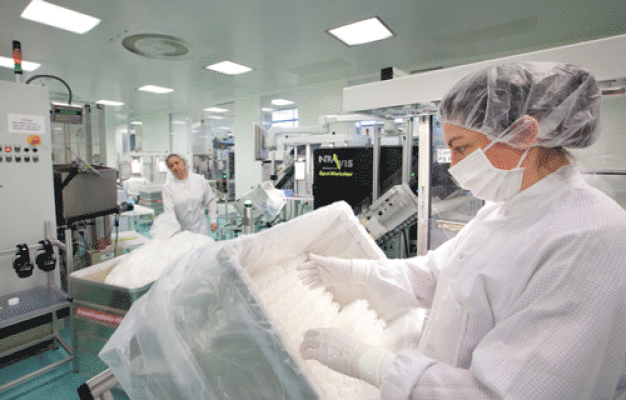
Typical use of foil bags in a cleanroom production at HPT in Neuhaus.
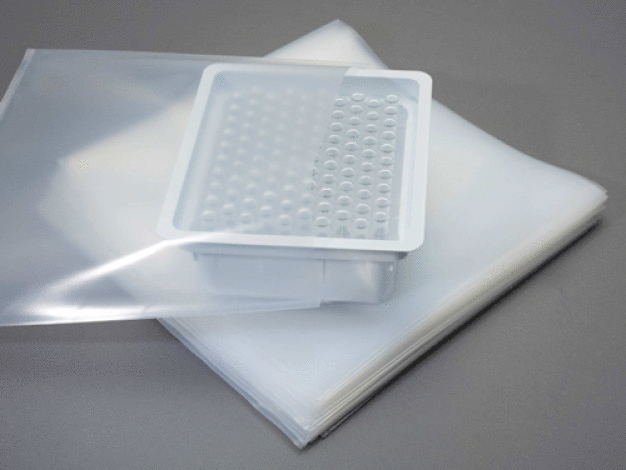
Example: Cleanroom bag for pharmaceutical glass.
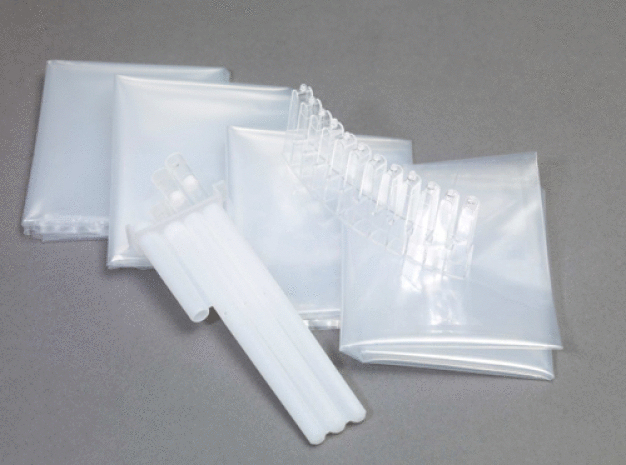
Example: Cleanroom bag for plastic parts.
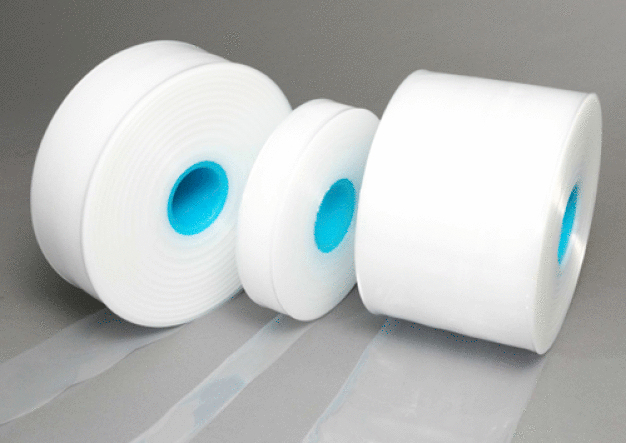
Example: Cleanroom foil for implants.
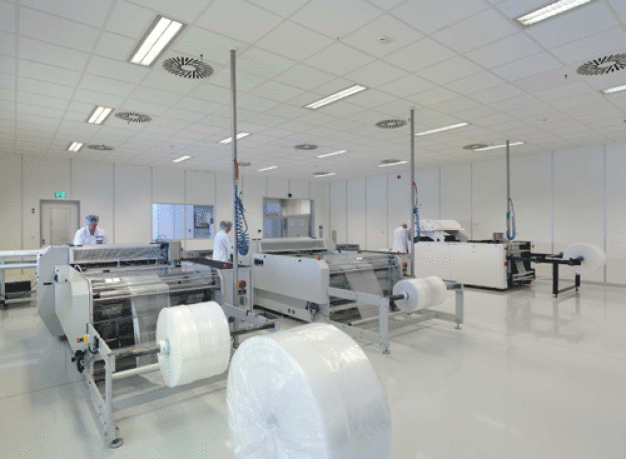
Cleanroom production for the manufacturing of cleanroom packaging.
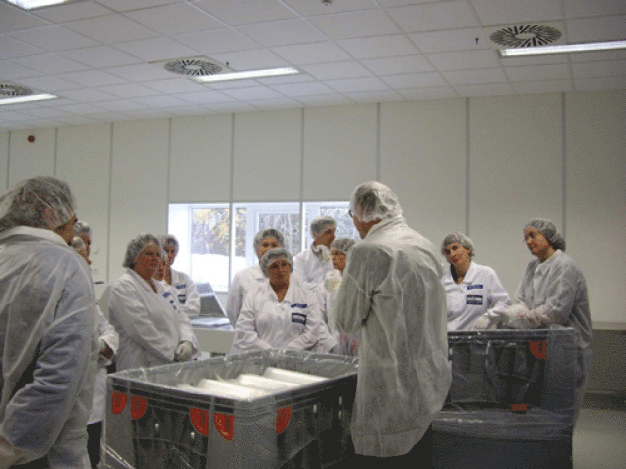
Employee qualification and GMP culture are the prerequisites for flawless quality.
Packaging as a Contamination Risk? Yes, of course – and precisely when the packaging is produced under lower hygiene and cleanroom conditions than the product being packaged. Cleanroom bags and films from STRUBL are the effective solution to protect against contamination in the cleanroom supply chain.
Cleanroom production has now become the standard when it comes to meeting high requirements for cleanliness and hygiene. This is especially true for the pharmaceutical, medical technology, life sciences, and healthcare industries. The products manufactured in these sectors require comprehensive quality control. This applies to active ingredients as well as to plastic components, implants, instruments, pumps, hoses, and more. To prevent damage and contamination during handling and transport, these products must be packaged before leaving the cleanroom. Plastic packaging materials (films, hoses, bags) are used for this purpose. At all stages of the cleanroom supply chain – from active ingredient manufacturers through component and assembly manufacturers to packaging and service partners – film packaging is employed. From the perspective of the respective product, the film packaging always attains the status of a “primary packaging material.”
Risk Factors in Packaging
These film packagings have direct contact with the product, which can result in significant risks:
1. Raw material risks: migration between packaging and product, surface contamination, raw material compliance and approvals
2. Process risks: particle emission leading to contamination of the cleanroom or GMP environment, e.g., during unpacking and repacking
3. Logistics risks: insertion and removal, cleanroom cascade determines the re-packaging, “packaging of the packaging”
4. Product risks: technical parameters such as weld seam strength, weld seam tightness, weldability
The entire cleanroom supply chain must address these risks. The solution is obvious: the packaging used must meet the same quality and hygiene standards as the product itself.
Risk recognized – danger eliminated?
It's not that simple, because the packaging manufacturer must be capable of producing GMP- or cleanroom-compliant packaging. A packaging with standard qualities can no longer be sensibly used here. After all, it’s not “normal” spare parts or accessories being packaged, but medical components and pharmaceutical products. Quality, as is well known, must be created and cannot be tested. Therefore, the packaging manufacturer must first establish an appropriate production system. This is a complex organizational development process.
STRUBL KG Kunststoffverpackungen is one of the specialists for cleanroom packaging. As a competent partner, tailored solutions are developed together with customers: in addition to flat and (semi)tubular films, primarily bags and sacks, side-fold bags, block-bottom bags, multi-chamber, double bags, and sterilization bags. The products are manufactured in a GMP-compliant cleanroom with state-of-the-art technology. Based on an ISO 9001 quality management system, a professional GMP system has been implemented. This supports all processes. That means: specification, monitoring, hygiene management, cleaning concepts, risk analysis, traceability, documentation, validation, and more. With over 60 years of experience, the family-owned medium-sized company supplies these cleanroom packagings to renowned manufacturers in the pharmaceutical and medical technology industries, as well as companies in chemicals, automotive, food, and microelectronics. The products are used both as primary and secondary packaging materials. Many satisfied customers confirm the consistently high quality level.
An especially interesting solution for insertion and removal in multi-stage cleanroom zone concepts is the use of so-called sack systems. STRUBL supplies these as interlocked sack systems. At the customer’s site, they are opened, and the inner bag filled with products. Then, the individual bags are sealed separately and can later be removed sequentially in the logistics process, similar to a “onion skin model,” from the individual cleanroom zones. This eliminates the complicated handling during filling in the cleanroom.
GMP Culture as a Learning Process
Throughout the entire process—from order acceptance through production to shipping—GMP principles are applied by implementing DIN 15378 (primary packaging for pharmaceuticals) and DIN 15593 (hygiene management in food packaging manufacturing). The GMP guidelines define the essential requirements for product and process. Implementing a GMP-compliant organization is an ongoing learning process for the company and all involved employees. It is important to note that there is no “one best way,” but rather a company-specific GMP system must be developed that aligns product and process requirements with the quality and GMP/cleanroom standards of the customers. As product manager Jörg Kommallein explains: “That’s our daily business: maintaining constant contact with the customer, understanding their problems, and leading them to an economically and qualitatively optimal solution. That creates customer satisfaction.”
STRUBL has successfully embarked on this demanding path; there is no end in sight — “it’s like a staircase that never stops,” comments Georg Kurz, plant manager at STRUBL in Nabburg, “once you’ve reached one step, the next challenges are already waiting. Customers are always one step ahead.”
It must be acknowledged that GMP begins primarily in the minds of the employees. Only if employees behave GMP-compliantly in their daily work can the system sustainably produce the necessary quality. And this is sometimes a lengthy process, as it involves unlearning ingrained behaviors and changing them, e.g., during insertion, hand hygiene, documenting and creating so-called “batch records,” as well as the intensity of quality control and documentation, which go far beyond the usual ISO 9001 requirements.
STRUBL has met this challenge successfully. The business segment for cleanroom packaging to protect against contamination is continuously growing by over 20% annually. Investments in process technology and infrastructure must keep pace with this tempo. Therefore, a third phase of the cleanroom production facility is already being planned. “This way, we are well prepared for the future requirements of the market,” proudly states managing director Dr. Christoph Strubl.

Strubl GmbH & Co. KG Kunststoffverpackungen
Richtweg 52
90530 Wendelstein
Germany
Phone: +49 9129 90350
email: christoph.strubl@strubl.de
Internet: http://www.strubl.de