



- Buildings & Rooms
- Translated with AI
Nora impresses in the cleanroom testing procedure
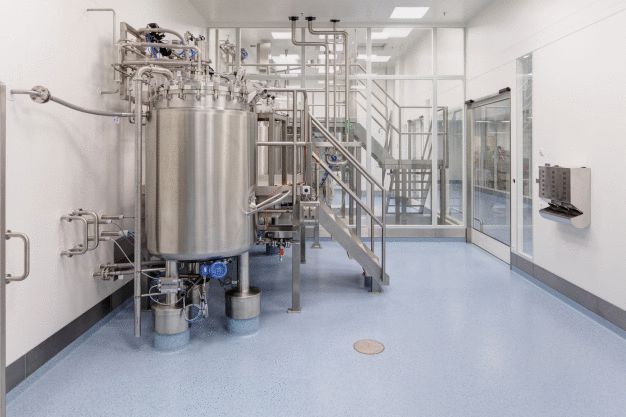
nora systems_Biotest AG Dreieich_1
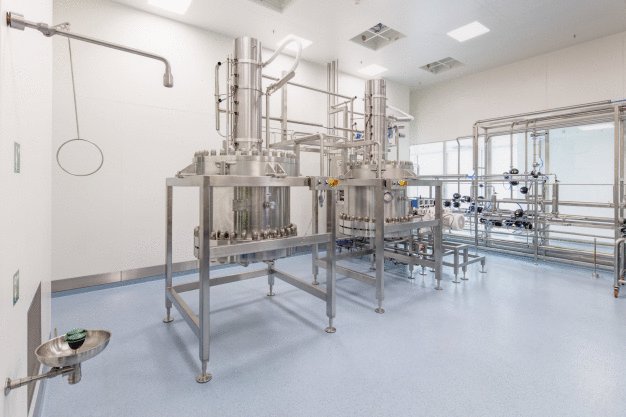
nora systems_Biotest AG Dreieich_2
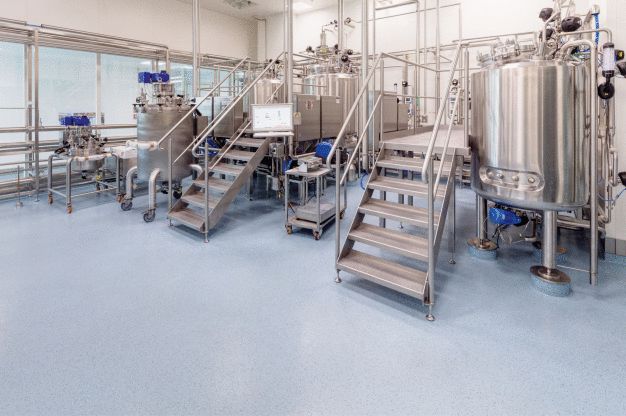
nora systems_Biotest AG Dreieich_3
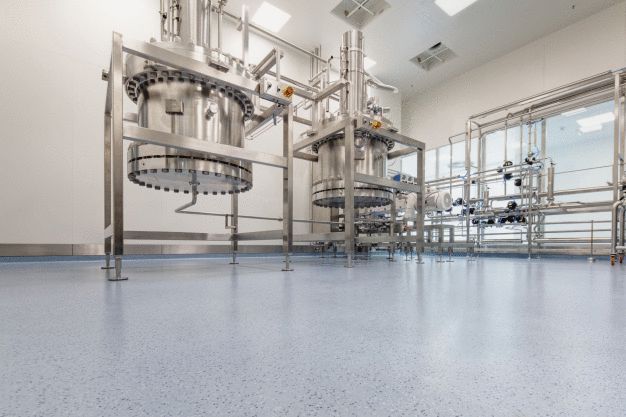
nora systems_Biotest AG Dreieich_4
nora systems_Biotest AG Dreieich_5
nora systems_Biotest AG Dreieich_6
nora systems_Biotest AG Dreieich_7
nora systems_Biotest AG Dreieich_8
nora systems_Biotest AG Dreieich_9
Biotest AG chooses Boden systems from nora systems for the new construction of its production building after scientific evaluation
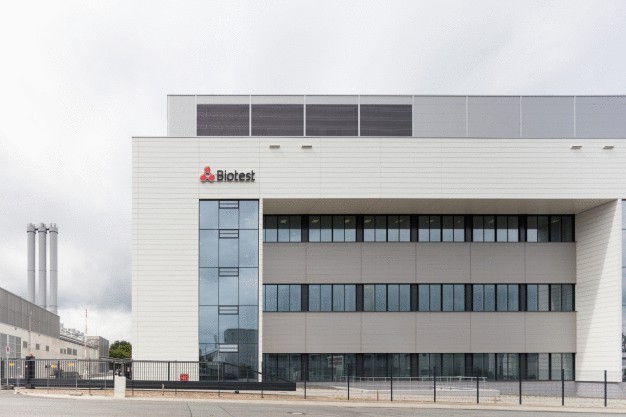
Material selection based on scientifically measurable criteria – in the decision for the flooring for their new production building Bio-test Next Level (BNL), Biotest AG in Dreieich took a completely new approach: After an evaluation process conducted by the Karlsruhe Institute of Technology (KIT), the responsible parties chose rubber floor systems from nora systems. These best met the high demands specified in a comprehensive requirement catalog for cleanroom floors.
As a specialist in innovative hematology, immunology, and intensive care medicine, Biotest AG develops, manufactures, and distributes medications for the treatment of blood and immune disorders. As part of the investment program "Biotest Next Level," the company decided to expand its production capacities for plasma fractionation at the Dreieich site. Biotest invested more than 250 million euros in the new building, which will more than double production capacity. The official commissioning of the building according to GMP cleanroom standards is scheduled for mid-2018. However, according to the company, it will take until 2019/2020 before all test runs are completed, all certifications are obtained, and the products can be produced ready for sale.
The four-story BNL production building features three process levels with GMP C and D cleanrooms. The materials used in these areas must meet the highest standards. Chemical exposures from cleaning and disinfecting agents, microbiological contamination, mechanical stresses from goods transport, as well as physical impacts from short-term temperature changes, can lead to premature material failure. The existing building's floor also no longer met the users' expectations: "Maintenance is becoming increasingly difficult," reports Michael Lapa, Head of Facility Management, who has been with Biotest for 22 years. Maintenance cycles have continuously shortened over recent years. This is not only time-consuming and costly but also disrupts production, as grinding the floor and reapplying coatings generate a lot of dust and dirt.
Comprehensive requirement catalog
Therefore, Biotest contacted Prof. Dr. Andreas Gerdes from the Institute for Functional Interfaces at KIT in 2012. At the beginning of the investigations, the scientists took core samples from various locations. It was found that water accumulated beneath the floor. The cause was damage from equipment such as stainless steel tanks or tubs that had fallen over and left damage in the thin upper layer. As a result, it was nearly impossible to meet the requirements of the GMP guideline (regulated in Germany in the appendix to the Medicinal Products and Active Substances Ordinance) for surface quality.
To avoid such problems from the outset in the new building, Biotest involved Professor Dr. Gerdes again in 2013 during the planning of the production building. "We wanted to base the floor selection on scientifically determined results this time," explains Lapa. Gerdes and his team developed a completely new structured evaluation process specifically for the project called "Sustainable Floor Systems in Cleanrooms" – aiming to reduce downtime, optimize maintenance and service efforts, and sustainably lower life cycle costs.
The first step was to establish an object-specific requirement catalog. In it, the responsible parties for production, maintenance, hygiene, and cleaning at Biotest outlined their specifications, such as resistance to acids and other media, disinfectability, and wetting behavior. "Since Biotest operates around the clock and seven days a week, constant disinfection is necessary, about five to six times a day," explains Florian Thyroff, Team Leader for Cleaning. "Additionally, the floor is disinfected monthly with peracetic acid-based disinfectants." Another prerequisite was the extreme durability of the floor material, as stainless steel containers for column chromatography can weigh up to five tons, and various floor transport vehicles are used in the process, reports Antonio Condemi, Head of Property at Biotest and specialist in laboratory planning and cleanrooms. Furthermore, the floor should be easy to repair during ongoing operation. Based on past experiences, this was a key criterion. The norament floors stood out especially for their easy maintenance of heavily used surfaces – for example, with nora pads, but also because smaller damages can be easily repaired by staff themselves. The possibility to perform work during ongoing operation or during routine maintenance with minimal effort is a significant advantage for Biotest.
15 different products tested
Based on these requirements, Gerdes and his team developed a material profile and subsequently tested various floor materials from different manufacturers. The 15 products had to withstand extreme stresses. For example, they were immersed in a bath of pure hydrochloric acid. Some materials already showed significant weaknesses. Additionally, an artificial aging process was simulated to determine how the surface of the floors would look in ten years.
The selection process took about six months from identifying relevant parameters to making a decision. After final analysis, the scientists created a ranking of the products, with nora floors ranking at the top. Due to their extremely dense, closed surface, rubber floor systems are highly resistant to wear and suitable for areas with high pressure loads, such as those caused by conveyor belts or heavy machinery. Thanks to the elasticity of the homogeneous rubber material, rubber floors also withstand impacts, for example from falling tools, hose couplings, clamps, or other metal parts. They are also easy and economical to clean and fully disinfect. Another advantage: if the floor is damaged, repair and maintenance are user-friendly. Many contaminants can be removed without residue. Scratches on a surface subjected to the process also disappear after applying a pad. If necessary, norament rubber tiles can be completely replaced, which is usually not possible with mineral or resin-bound systems.
Rubber on 17,000 square meters
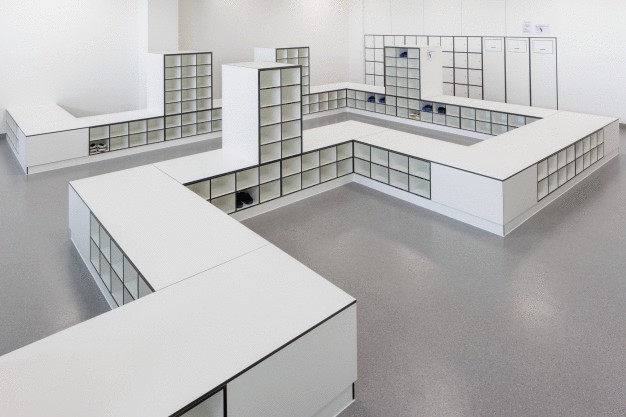
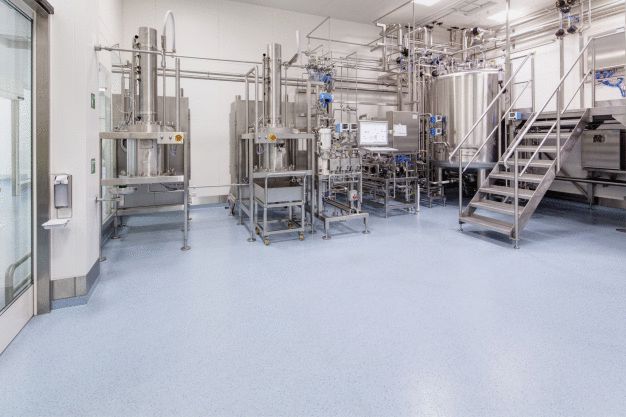
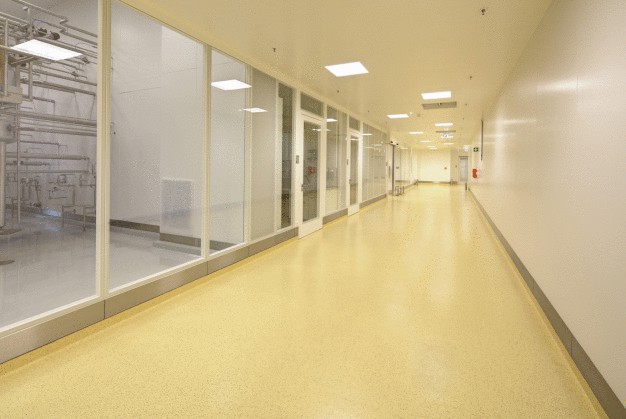
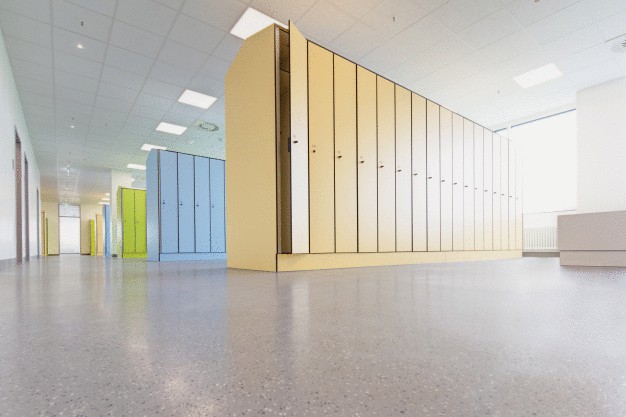
Based on the analysis results, Biotest chose norament grano, which was installed on approximately 17,000 square meters in the new production building in three different colors, in the electrostatically dissipative variant for the cleanrooms. The wall connections were finished with cove profiles. To form a cove at a round floor penetration, the rubber is heated and then adapted to the penetration. This ensures a seamless transition from the horizontal to the vertical surface. This is a significant advantage: if liquids reach the floor, the transition to the vertical surface is not at the liquid level but about two to three centimeters higher, which offers enormous benefits in terms of hygiene and maintenance.
Since the installation also significantly influences the later performance of the floors, the installers from the Wiesbaden-based company Esper, responsible for the installation, were trained and prepared at nora systems in Weinheim beforehand. In cooperation with their long-standing and highly reputable nora installation partner, a flawless installation was achieved. Comprehensive documentation during installation (done room by room in collaboration with QS and QA) provides additional security for users. Thyroff is satisfied: "The cleaning results are consistently good; dirt can be removed easily and without residues." Lapa also gives a positive summary: "The major advantage of rubber over other flooring materials is the possibility of repair and replacement of damaged areas. During routine shutdowns, which last about three weeks, these tasks can be carried out without issues, avoiding costly renovations in the meantime."
Data and facts
Object: Biotest Next Level (BNL) production building, Dreieich
Client: Biotest AG, Dreieich, www.biotest.de
Consulting: IONYS AG, Karlsruhe, www.ionys.de
Project management: Drees & Sommer, www.dreso.com
Architect: Scherr + Klimke, Ulm, www.scherr-klimke.de
Products: norament® 928 grano ed, colors 4871, 4874, 4882, and 4884,
installed area 11,648 m² (cleanrooms)
norament® 926 grano, colors 1870 and 1880,
installed area 5,562 m²
norament® 926 grano Formtreppen, 912 pieces
Installation: 03 – 12 / 2016
Application area: Cleanrooms, production, laboratories, offices, hallways, stairs
Photo credits: Dirk Wilhelmy*

nora systems GmbH
Höhnerweg 2-4
69469 Weinheim
Germany
Phone: +49 6201 2743934
Mobile radio: +49 172 6330484
email: frank.baehr@nora.com
Internet: http://www.nora.com