- Translated with AI
New cleaning solutions for changing requirements
Innovative developments for fine cleaning and activation
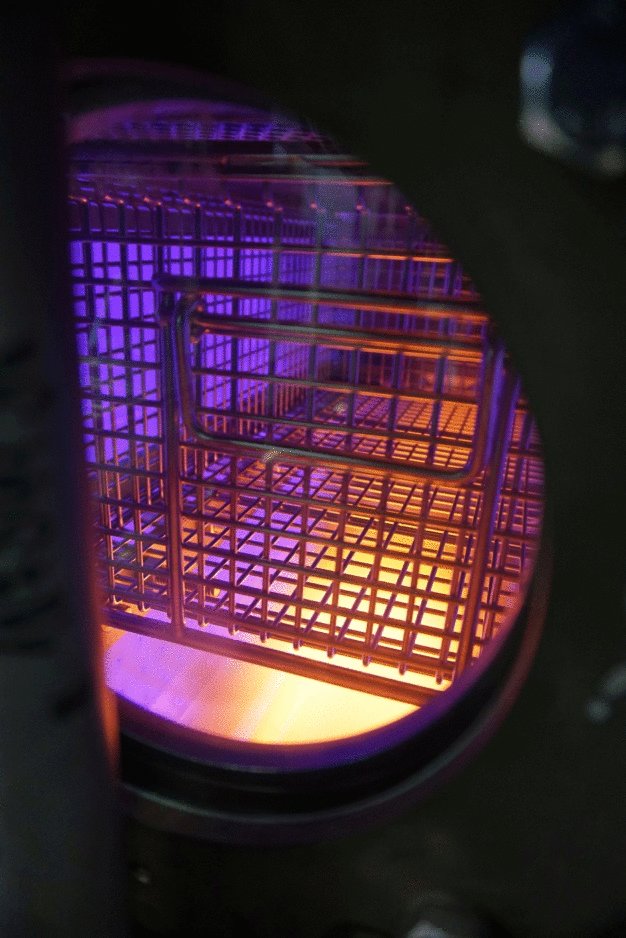
For workpieces made of steel, aluminum, glass, ceramic, and partly other materials, which are cleaned in batch processes as settled goods or bulk material, the company has developed a combined cleaning process – wet chemical cleaning followed by plasma cleaning. (Image source: Ecoclean GmbH)
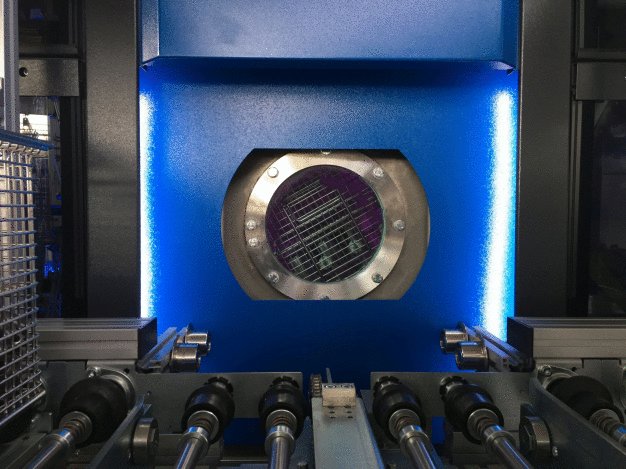
The advantages of integrated plasma cleaning for fine degreasing include high flexibility of the system in use, reduced process times, low investment and operating costs, and a small footprint. (Image source: Ecoclean GmbH)
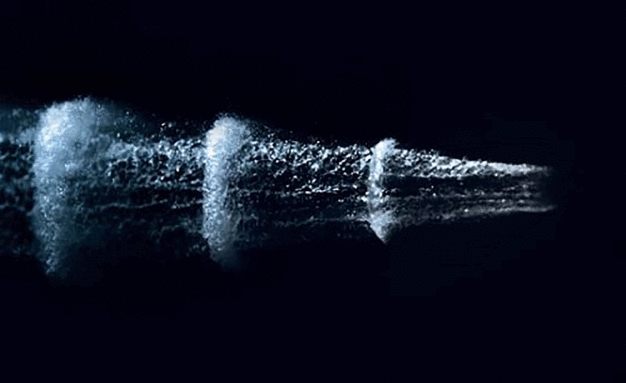
Compact application systems can be equipped with various treatment technologies such as atmospheric pressure plasma, EcoCsteam, laser, CO2 snow jet, or EcoCbooster technology and used as automated standalone solutions or integrated into a production line. (Image source: Ecoclean GmbH)
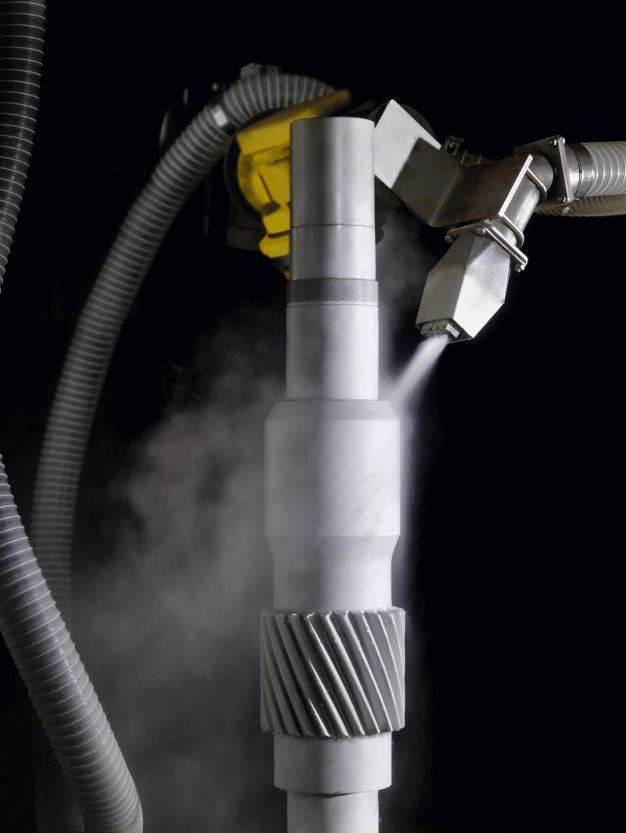
Compact application systems can be equipped with various treatment technologies such as atmospheric pressure plasma, EcoCsteam, laser, CO2 jet blasting, or EcoCbooster technology and used as automated standalone solutions or integrated into a production line. (Image source: Ecoclean GmbH)
Coating, Bonding, Sealing, Painting – just some manufacturing processes that require very clean and sometimes activated surfaces. For these requirements, Ecoclean has developed new cleaning solutions. This includes the combination of aqueous chemical cleaning and low-pressure plasma cleaning in one system. Another innovation is the integration of various applications such as atmospheric pressure plasma, laser, CO2 snow jet, and/or surface inspection for partial and full-surface cleaning or activation into a single system. This allows nearly all pretreatment requirements to be covered.
Whether in the automotive and supplier industry, mechanical engineering, aerospace, precision and micro-mechanics, medical technology, optics, electronics, or other industrial sectors – to avoid quality issues in subsequent processes and to ensure flawless product functionality, components are cleaned. In many industries, the focus in recent years has mainly been on removing particulate dirt. Due to new or altered manufacturing, joining, and coating technologies, as well as materials and material combinations, film residues such as remnants of processing and preservation media, release agents, silicones, and other manufacturing aids, or even fingerprints, are increasingly significant. Because they can impair the quality of subsequent processes such as coating, welding, bonding, sealing, painting, or heat treatment. Ecoclean (formerly Dürr Ecoclean) addresses these changing requirements with new solutions.
Fine Degreasing in Combined Cleaning Process with Integrated Low-Pressure Plasma
For workpieces made of steel, aluminum, glass, ceramics, and partly other materials, which are cleaned in batch processes as set items or bulk goods, the company has developed a combined cleaning process – aqueous chemical cleaning followed by plasma cleaning. The low-pressure plasma cleaning is integrated into the aqueous chemical cleaning system. Since almost all components required for this cleaning technology, such as vacuum, measurement, and control technology, are already present in the manufacturer’s systems for aqueous chemical cleaning, the additional effort remains manageable. The advantages of integrated plasma cleaning for fine degreasing include high flexibility of the system in use, reduced process times, low investment and operating costs, and a small footprint.
The cleaning process initially proceeds as usual with solvent-based wet cleaning, and the parts are dried under vacuum. Subsequently, the work chamber is rinsed. For plasma cleaning, the pressure in the work chamber is then reduced to below one millibar, process gas (e.g., filtered ambient air or oxygen) is introduced, and the plasma is ignited. In the vacuum, energetic ions, free electrons, and other reactive particles are generated by exciting the process gas, forming the plasma. Contaminants such as residues of fats and oils on the component surface are chemically attacked and converted into volatile compounds. At the same time, the UV radiation of the plasma has a cleaning effect, for example breaking long-chain hydrocarbon compounds. The gaseous breakdown products of the plasma cleaning process are extracted from the work chamber. Through combined wet and plasma cleaning, the surface energy, which is crucial for optimal adhesion, can be increased to 50 to 80 mN/m in a single process step.
Integration of Various Pretreatment Methods into a Single System
The partial or full cleaning and activation, as well as partial coating of individual parts made of metal and plastics, are at the center of Ecoclean’s process portfolio expansion. Compact application systems have been developed for these diverse tasks, designed for integration into various customized system concepts. These can be equipped with different treatment technologies such as atmospheric pressure plasma, EcoCsteam, laser, CO2 snow jet, or EcoCbooster technology, and used as automated standalone solutions or integrated into production lines. The company's goal is to solve the different applications in surface treatment with the most technically and economically optimal technology. For example, the use of the new atmospheric pressure plasma source Disc-Jet, developed by the Fraunhofer Institute for Surface and Coatings Technology IST, allows both surface and contour-specific, deep treatment. The so-called “cold” surface discharge (30 to 60 °C) enables the treatment of temperature-sensitive materials. With atmospheric pressure plasma, component surfaces can be selectively cleaned, activated, and coated with an adhesion promoter in a single process, for subsequent automated application of sealing compounds. If structuring is also required besides cleaning, laser technology is suitable depending on the material. The EcoCbooster technology offers a pretreatment process for targeted, effective, and efficient activation of surfaces, for example before thermal spraying. Automation is also tailored to specific requirements. Robotic solutions, multi-joint handling systems, and CNC linear units can all be realized. In all variants, the workpiece, tool, or both can be moved depending on the task. This high flexibility makes this new “toolbox” for surface treatment a solution for a wide range of tasks in electromobility, automotive and supplier industries, medical technology, and many other sectors.
Ecoclean GmbH
70794 Filderstadt
Germany