- Furnishing & equipment
- Translated with AI
Listeria and the risk to human health
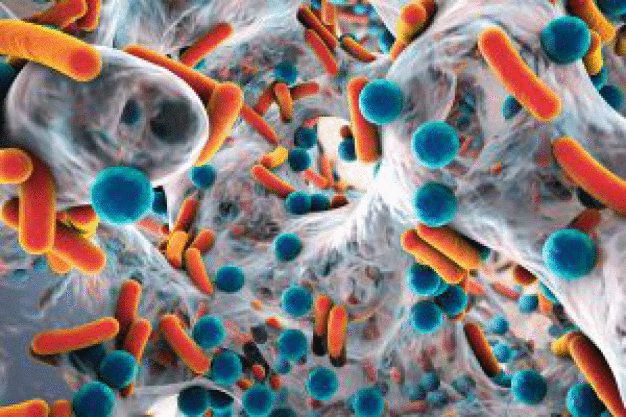
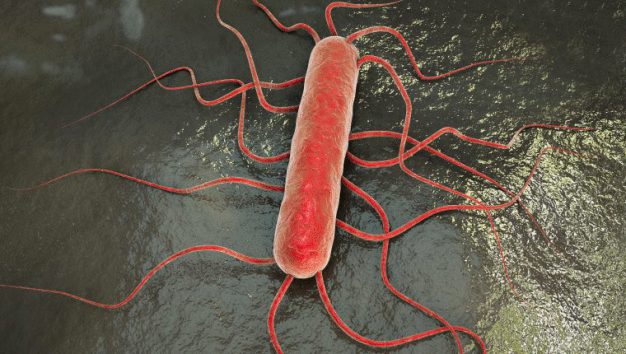
Listeria can pose a significant threat to human health and the food manufacturing industry. Recalled batches can damage a company's reputation, reduce consumer trust, and ultimately lead to death in particularly vulnerable consumers.
Consumers are increasingly aware of the health benefits associated with consuming more fresh foods as opposed to heavily processed options. While this is an advantage for health, consuming untreated products is one of the main causes of foodborne illnesses. In recent weeks, there have also been many recalls due to potential contamination risks from Listeria monocytogenes. The FDA website lists the recalled products, and these cases have led to a greater understanding and acceptance of the need for more effective control strategies for pathogens.
Adaptations of the microorganism have enabled it to survive without a host. For example, a microorganism can persist in decaying plant material or freshwater ecosystems, but this is not yet fully understood. From these environments, it is possible for the microorganism to enter the food processing environment and, after harvest, also contaminate packing facilities. Since 16% of listeriosis cases are fatal, this is clearly an area where action must be taken.
Insufficient cleaning and decontamination of equipment in a cantaloupe packing facility (in the USA in 2011) was linked to product contamination after harvest, as the pathogen was not isolated from field samples. The article states that there were 147 cases and 33 deaths associated with this outbreak, making it the largest officially known listeriosis outbreak.
The processing and packing stage is associated with the highest risk of contamination of fresh products. This presents an opportunity for prevention and control measures. Dycem flooring solutions for contamination control have helped eliminate the growth and spread of Listeria in critical food production areas by up to 99.9%.
An example of this was when Dycem supplied a two-tone flooring solution for the kitchen at Rikshospitalet, a company that supplies meals to the largest hospital in Oslo. The flooring was two-colored, highlighting a clean and a dirty side, so employees knew where to wear outer and inner clothing. In such a busy environment, it was crucial to take precautions to minimize microbial counts and contamination of food.
Dycem Europe GmbH
76437 Rastatt
Germany