
- Know How, Institute
- Translated with AI
Eating and drinking in the cleanroom - always a topic of discussion
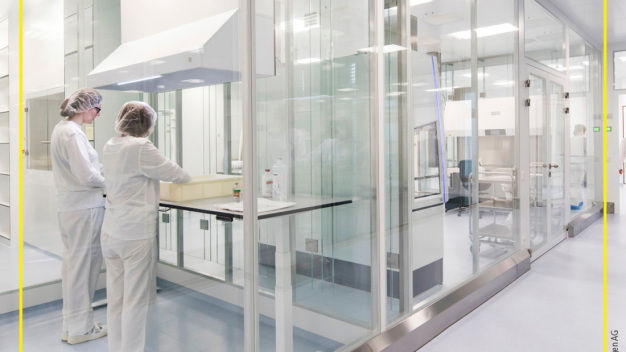
(Image: Braun Melsungen AG)
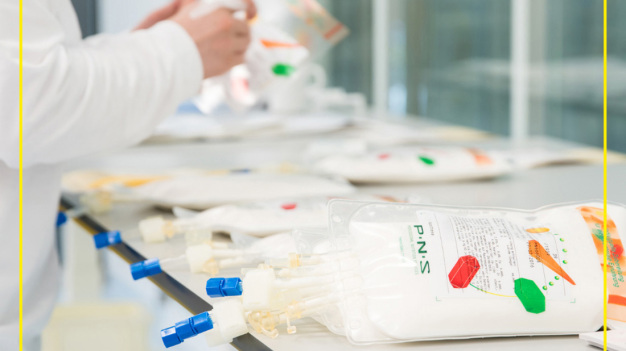
(Image: Braun Melsungen AG)
(Image: Braun Melsungen AG)
Reinhold Schuster from reinraum online had this inquiry: Surely there are regulations on how long one can work continuously in the cleanroom while wearing full gear. But are there also guidelines or recommendations on how much and what to drink before and after? Are there any informational leaflets on this? Do you conduct training on this? Who can provide information?
And here is the detailed response from Angelika Wattrodt, PTS Training Service:
Drinking in the Cleanroom
The topic of drinking is always a popular discussion among employees working in the cleanroom. As far as I know, there is no specific legislation regulating break times or the entitlement to extra drinking breaks in cleanrooms. Agreements for employees are generally regulated through a works agreement. Working in the cleanroom does not justify longer break times.
Airlocks and sinks
Nevertheless, this activity can be physically stressful depending on humidity and the class of the cleanroom. I consider it a good approach to install dispensers with disposable cups in airlocks that have sinks (up to class D), to enable drinking tap water there.
Advantages of airlocks
Employees do not need to completely exit the cleanroom. Tap water is available and is used anyway. The spritz cups can be disposed of directly on-site in a container (with lid) after use and regularly emptied.
Basics about drinking
Consuming too little fluid harms your health. For example, the kidneys: they are responsible for transporting waste products out of the body and need fluids to do so. Other consequences of insufficient fluid intake include blood becoming thicker and putting strain on the cardiovascular system. Digestion becomes sluggish.
Drafting a drinking plan can provide a guideline on how to meet the minimum requirement of 1.5 liters of fluid per day.
Possible example of a drinking plan
– Morning (before work): 1 to 2 cups of coffee or tea
– Mid-morning (e.g., breakfast break): 1 glass of water/juice spritzer, etc.
– Lunch (lunch break): 1 cup of soup or broth, 1 glass of mineral water or juice spritzer
– Afternoon: 1 cup of coffee, 1 glass of water
– Evening: 1 to 2 cups of fruit/herbal tea, 1 glass of water
Especially suitable are:
– Tap water, mineral, spring, and table water; tap water can be consumed in Germany without concern, as it must meet legally defined, analytically controllable standards.
– Unsweetened fruit and herbal teas
– Vegetable and fruit juices, which also supply important vitamins and minerals; fruit juices naturally contain a lot of sugar. Therefore, it is good to dilute them with water in a ratio of 1:3 to 1:4.
PTS Training Service
Wir sind die Experten für Schulungen in den Bereichen Pharma, Medizinprodukte und Wirkstoffe.
Am Freigericht 8
59759 Arnsberg
Germany
Phone: +49 2932 51477
Fax: +49 2932 51674
email: info@pts.eu
Internet: http://www.pts.eu