
- Translated with AI
E-mobility causes purity demands to increase
LK Mechanik advances the development of cleaning-optimized workpiece carriers
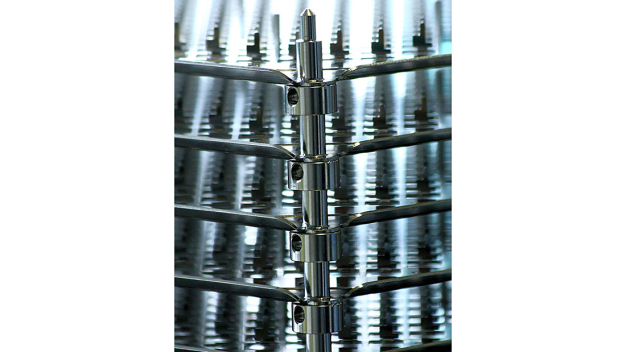
Innovative multi-level workpiece carrier made of electropolished stainless steel by LK Mechanik, exclusively developed and manufactured for use in an electrical production. (Image: LK Mechanik)
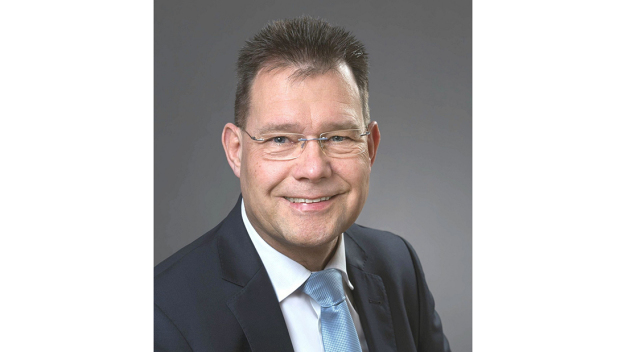
Managing Director Matthias Kroll: "The design of our workpiece carriers for the e-mobility industry supports the optimal removal of both particulate and film contaminants." (Image: LK Mechanik)
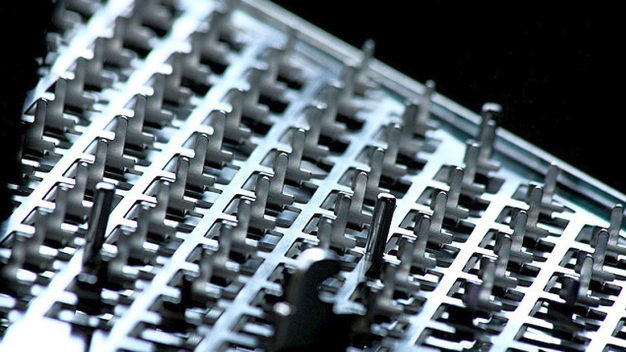
The modern machinery of LK Mechanik offers plenty of flexibility for the realization of custom workpiece carriers with individual fixtures for small parts from electronic manufacturing. (Image: LK Mechanik)
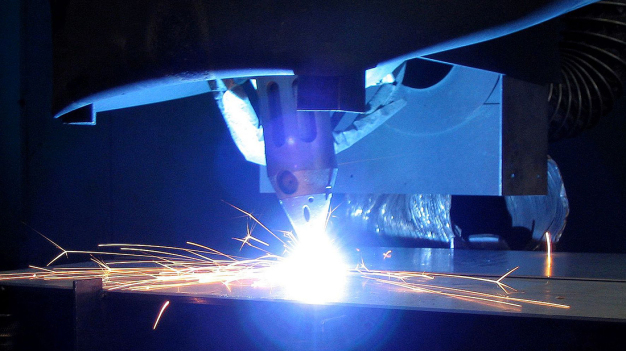
Laser welding is one of LK Mechanik's core competencies. (Image: LK Mechanik)
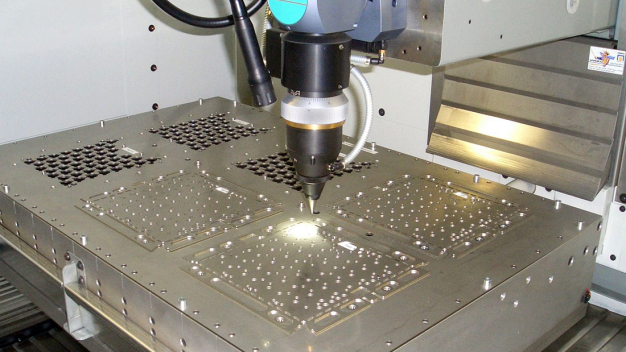
Laser cutting is one of the key technologies used by LK Mechanik to manufacture intelligent workpiece carrier systems made of stainless steel. (Image: LK Mechanik)
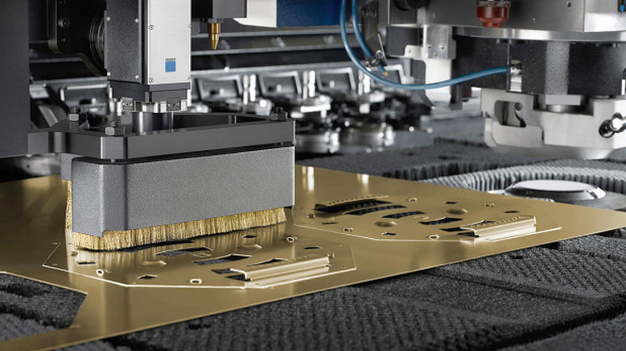
In many cases, LK Mechanik also uses combined laser-punching for the manufacturing of components for its workpiece carrier systems. (Image: LK Mechanik)
The implementation of alternative drive concepts for e-mobility applications often leads to increased requirements for the technical cleanliness of components and assemblies. The in-production removal and prevention of particulate and film contaminants plays a key role here. LK Mechanik has long been focusing on the development of intelligent component and load carriers, whose design is aligned with the demanding cleaning processes of OEMs and system suppliers of electronics and electrical components.
In many areas of automotive and vehicle manufacturing, the topic of technical cleanliness has been considered a competitive production factor for decades. The continuous optimization of component cleaning has therefore long been part of the normal operational procedures for OEMs and suppliers in the industry. "With the increasing demand for alternative drive solutions – also driven by the e-bike boom – the requirements for the efficiency of cleaning processes are growing, especially among manufacturers of electronics and electrical engineering components for e-mobility and hybrid systems," reports Matthias Kroll, Managing Director of LK Mechanik. The company has been producing component carriers and wash baskets for use in the automotive industry for many years. For some time now, it has also been dedicated to developing intelligent load carrier systems, whose design is consistently aligned with the specific purity requirements of manufacturers of power electronics, energy storage systems, sensors, charging devices, assistance systems, and many other e-mobility components. It’s often about much more than just implementing the widely known VDA 19 guidelines. Considering the special part dimensions is as much a defining factor as the sensible integration of component cleaning into the many newly established production logistics infrastructures.
Removing particulate and film contaminants
LK Mechanik generally manufactures the component carriers for electronics and electrical engineering components of the e-mobility industry from high-quality stainless steel sheets. The surfaces are always electropolished. When designing the carriers, the company's developers pay particular attention to ensuring that the typically delicate, thin-walled, and small components are optimally accessible to cleaning media during the usually automated cleaning processes, without being damaged. Gentle handling of the components is therefore as much a positive feature of the carrier systems as their excellent drainage behavior, which prevents the formation of standing liquid nests. "The shape of our component carriers supports the optimal removal of both particulate and film contaminants," emphasizes Matthias Kroll. Fine dust or dirt particles on the surfaces of the components could cause short circuits and malfunctions in later use of control or power electronic systems, while film traces of lubricants or adhesives could lead to problems in subsequent coating processes or impair the electrical conductivity of the components.
Expertise from automotive manufacturing and medical technology
LK Mechanik possesses extensive experience in manufacturing standardized and customer-specific washing containers and component carriers for the automotive industry, as well as expertise in producing highly demanding sterilization trays for medical technology. The insights gained from both fields are currently being incorporated into the development and realization of its load carrier systems for the e-mobility sector. This also includes ensuring that LK Mechanik designs and manufactures the component carriers so that they do not become sources of particles during the cleaning processes. "We also know that many production managers and quality assurance personnel in electrical engineering and electronics prioritize not only achieving the best cleaning results but also implementing lean and efficient assembly and production processes. Our component carrier systems are therefore never designed solely for automated part cleaning but are always optimized for maximum variability and high process efficiency," says Matthias Kroll.
Stainless steel sheets instead of wire racks
Sometimes, companies initially rely on simple wire racks or improvised solutions for their component cleaning. However, such suboptimal washing containers do not ensure the efficiency of the cleaning processes nor are they particularly economical. High residual dirt requirements are often not met with these solutions. Many wire baskets are woven structures where individual wires are laid over and under each other, creating numerous potential sites for particle accumulation. Additionally, wire racks are often not suitable for withstanding the rough handling during the process stages of production, component cleaning, and assembly due to their construction. Intelligent, stainless steel sheet-based washing containers and component carriers are far more stable, durable, and secure solutions. They are less prone to repairs, offer considerable flexibility for designing individual and universal component mounts, and ultimately lead to better cleaning results.
LK Mechanik + Blechverarbeitung GmbH
35625 Hüttenberg-Rechtenbach
Germany