
- R+D & Community of Interest
- Translated with AI
Klaus Eckardt
7th VIP 3000 Symposium - Keep it simple in a complex pharmaceutical world
Over 60 experts discussed the future of pharmaceutical construction in Frankfurt
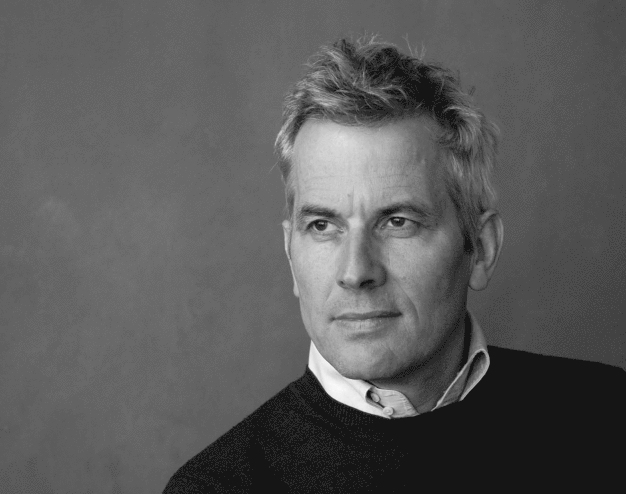
Thomas Rau
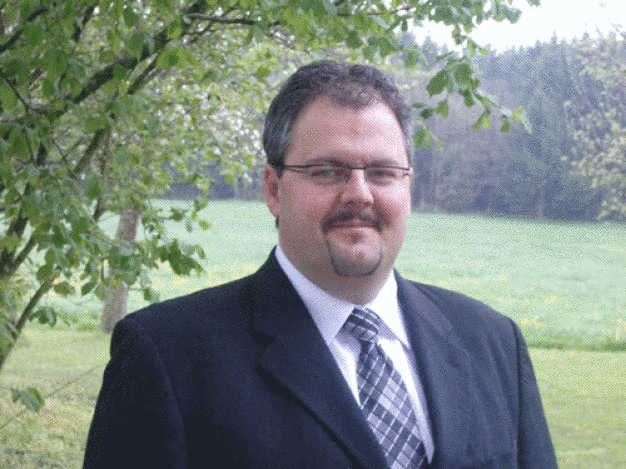
Prof. Dr. Enrico Grothe
Dr. Christoph Heinekamp
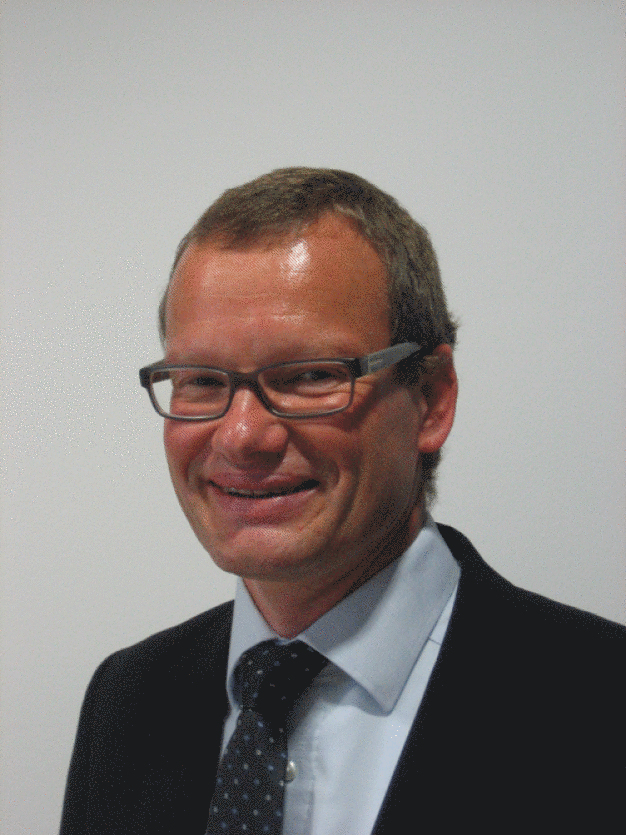
Christoph Bohn
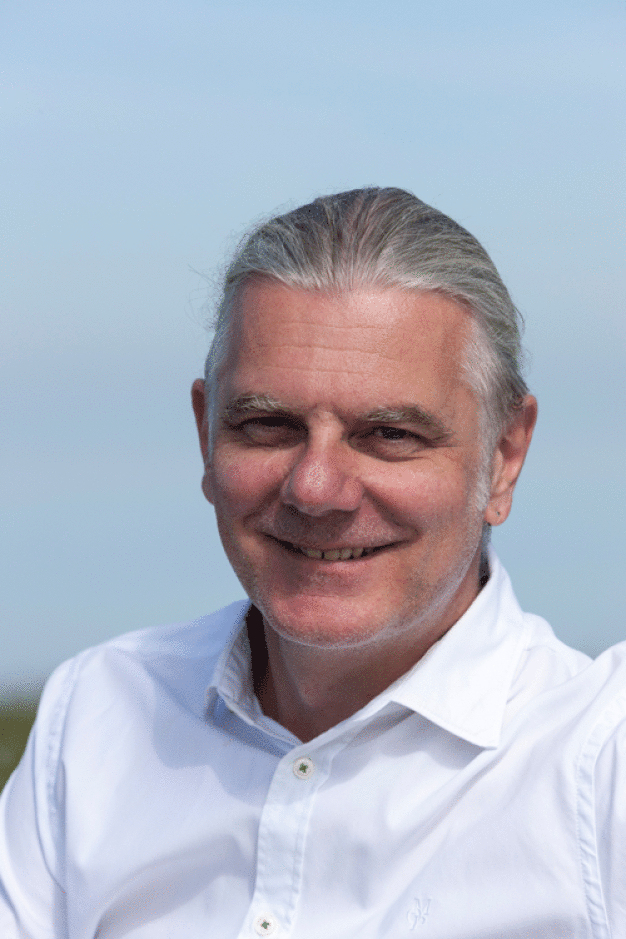
Markus Hammes (© Ralf-Brunner)
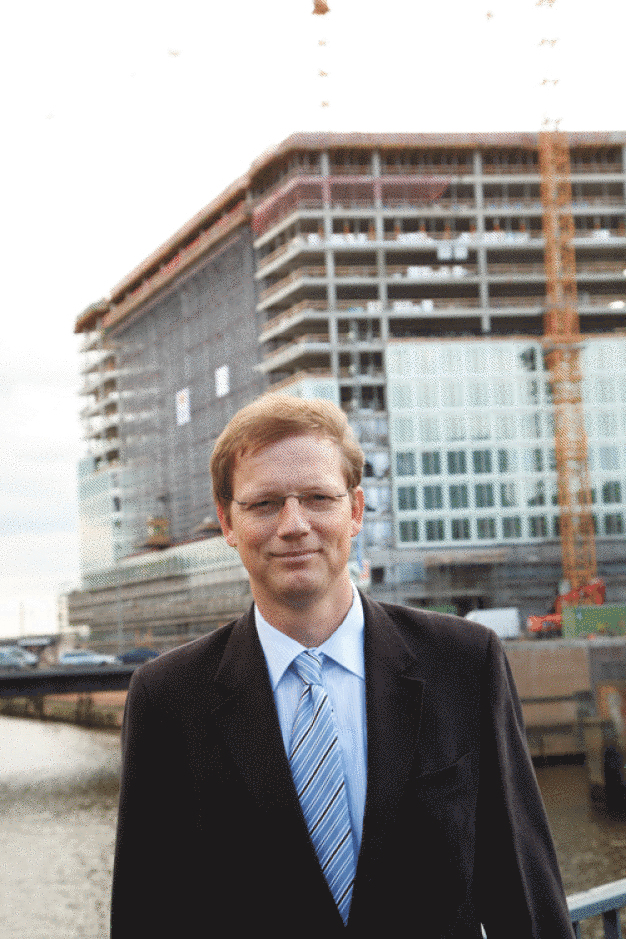
Dr. Bruno Lindemann
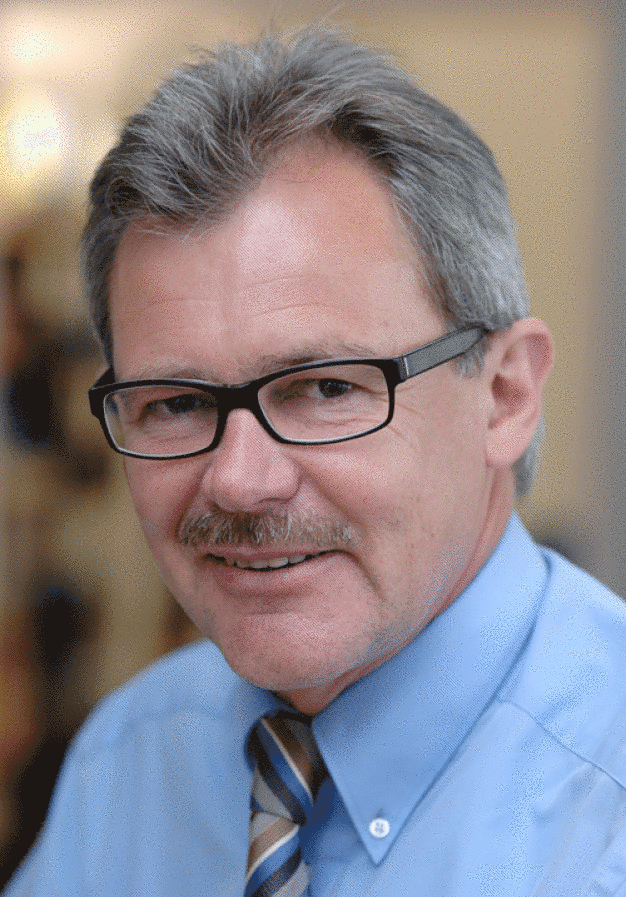
Dr. Ing. Udo Weber
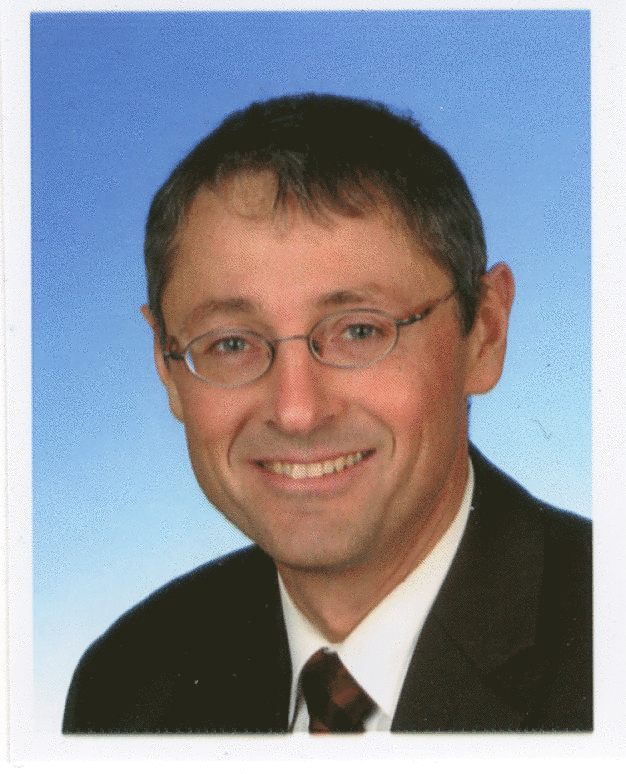
Nikolaus Ferstl
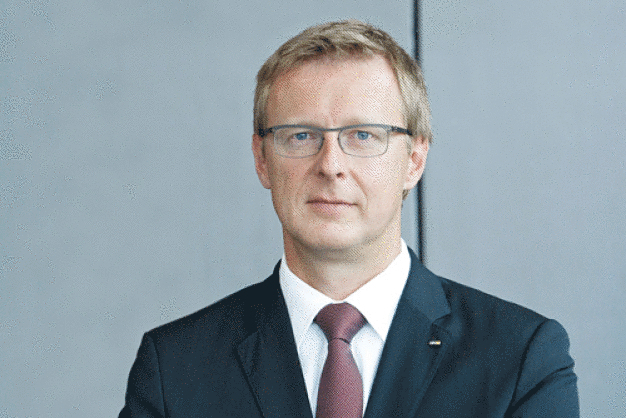
Norbert Schönbrod
"Everything should be made as simple as possible – but not simpler," Albert Einstein recognized this many years ago. A phrase that, in our highly complex world, is apparently too often forgotten. Reason enough for the "Association of Interest Group Pharmaceutical Construction 3000," short VIP 3000, to focus this year's symposium at "Imtech" in Frankfurt under the motto "Keep it simple" and to seek new ways in pharmaceutical construction with high-caliber speakers and around 60 participants from the cleanroom industry and its environment.
Solutions instead of selling products
With architect Thomas Rau, who has lived in the Netherlands for many years, VIP 3000 invited a keynote speaker who advocates the "Cradle-to-Cradle philosophy," dedicated to absolute sustainability. "The Earth is a closed system; unlimited growth is not possible," Rau warned.
He criticized waste incineration plants as "crematoria for raw materials" and called for the reuse of the materials used in every planning and development process, focusing again on the lifespan—not the performance duration—of goods. "Who buys the iPhone 6 because the 5 is broken?" Rau argued for a fundamental change in perspective: innovative companies sell solutions, not products. "Because if you want to go from one place to another, you just book a flight and don't buy an airplane."
Working together towards the right solution
Prof. Dr. Enrico Grothe from Albstadt-Sigmaringen University approached the topic more pragmatically. He illustrated the changes affecting many sectors of the economy through four factors: the shift from seller's to buyer's markets, from national competition to a global partner market, the increasing environmental compatibility of production and products, and the transition from a product-oriented to a task-oriented organization.
All of this is reflected in the planning of new factories, including in the pharmaceutical sector. Grothe emphasized that the best solutions can only be found together, citing a quote from philosopher Karl Popper, who described his Critical Rationalism as a way of life that "admits that I can be wrong, that you might be right, and that together we might get closer to the truth."
"Science needs communication"
The title of Dr. Christoph Heinekamp's lecture, managing director of "Dr. Heinekamp Laboratory and Industrial Planning GmbH," was more rhetorical: "Laboratories - Dynamic Development or Stagnation." The laboratory of the future combines sciences such as chemistry, biology, and physics in accordance with Goethe's understanding of natural sciences, offering scientists free access to their workspaces and the possibility to retreat.
Meeting spaces are indispensable because "Science needs communication," Heinekamp said. Since the decision on how a laboratory is built has long-lasting effects, he recommended planning flexibly and providing space for expansions.
"Invest more brainpower"
Christoph Bohn, Senior Technical Manager at Holopack Verpackungstechnik GmbH, demonstrated how this idea can be implemented in practice. With their "Pharma 2020" project, they applied the motto "Keep it simple and flexible." Holopack is, according to Bohn, the leading contract manufacturer for sterile and aseptic filling using "Blow-Fill-Seal technology," where medications are filled into plastic vials that are formed, filled, and sealed in one step.
The new building, completed in 2012 after only 18 months of construction, is designed according to a grid pattern that ensures maximum flexibility. "As a contract manufacturer, we never know what will come," Bohn explained. Thanks to this construction method, the filling lines can be customized within a few hours. "We had to invest a bit more brainpower upfront," Bohn admitted, but the success speaks for itself. The modular system not only saved about 15 percent in costs but also time and resulted in higher product quality.
Research building in the FAZ feuilleton
Markus Hammes, who runs the research-focused office "hammeskrause architekten" with his partner in Stuttgart, reported on a paradigm shift that benefits both scientists and architects. It has become widely recognized that external conditions play a crucial role in attracting top (research) talent worldwide. While research buildings were hardly noticed in the past, his office's new "Center for Free Electron Laser Science" in Hamburg even made it into the feuilleton of the FAZ. All buildings by hammeskrause share the characteristic of being bright and transparent. Transparency in science here refers not only to content but also visually. The architects also emphasize meeting areas, whether designated gathering points like cafeterias or large, open staircases for seeing and being seen. Hammes also sees a significant market in renovating existing buildings. Current figures indicate that soon half of all buildings in Germany will be over 50 years old.
Better planning through simulations
Dr. Bruno Lindemann, responsible for simulations in research and development at the host company of the VIP 3000 symposium, Imtech Deutschland GmbH & Co KG, demonstrated with practical examples how complex computer simulations can calculate energy consumption in industrial buildings to find optimal and cost-effective solutions. For example, the waste heat from pharmaceutical production can be managed so that the energy contained therein is used for heating rooms. In the past, much experimentation was necessary, but "today, simulations provide precise results," Lindemann explained. All in line with "Keep it simple."
"We need to say goodbye to the principle of hope when commissioning highly technical buildings," urged Dr. Ing. Udo Weber, managing director of Weber und Partner in Berlin. Too often, responsible parties rely solely on the assumption that everything will fit together in the end. The issues at Berlin Airport, which lacked a commissioning management from the start, illustrate how deceptive this can be. "For highly technical buildings, planning must always start from the end," Weber said. Only when the requirements for commissioning are clear can other tasks be defined. An essential tool is a matrix that shows all trades involved to see how individual tasks fit together. "The schedule must be determined from the technical side, not by the flooring installer," Weber emphasized.
Thinking interdisciplinarily
When it comes to cleanrooms, Nikolaus Ferstl can connect two perspectives: for 15 years, he planned and built cleanrooms; for the past six years, he has been the Technical Director of the University and University Hospital Regensburg, on the side of operators. The hospital, which specializes in treating the most severe cases, has, as Ferstl explained in his lecture, about a dozen rooms with specific cleanroom requirements: for pharmaceutical manufacturing, laboratory testing, or operating theaters. He explained what "purity" means with an impressive number: while in smog-contaminated air, a billion particles larger than 5 µm are counted per cubic meter, in a class A cleanroom, only 3,500 are allowed. Ferstl emphasized that anyone involved in cleanroom design must always think interdisciplinarily, "since here, participants from various fields work together." Only then can the necessary safety in cleanrooms be guaranteed.
Workshops as idea factories
No matter how much "Keep it simple" sounds, "the projects we work on are extremely complex," said Norbert Schönbrod from Carpus+Partner AG in his lecture. He also highlighted good project organization and clear task definitions as central. Equally important, he said, is bringing all stakeholders together. Projects in the pharmaceutical sector are always interdisciplinary and planned over several years. "That's why we prefer to work with workshops where people get to know each other and exchange ideas." It has been proven that 90 percent of good ideas originate from face-to-face contact.

reinraum online
W.A. Schuster GmbH
Mozartstraße 45
70180 Stuttgart
Germany
Phone: +49 711 9640350
Fax: +49 711 9640366
email: info@reinraum.de
Internet: http://www.reinraum.de