




- Furnishing & equipment
- Translated with AI
Dirk Steil
The "something different" cleanroom
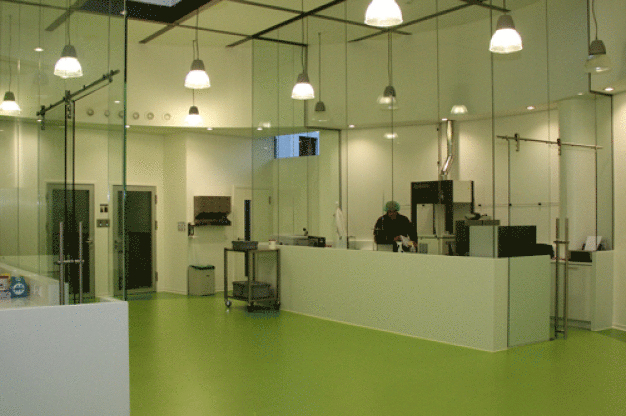
Fig. 1: Entrance area to the clean rooms with upstream laboratory
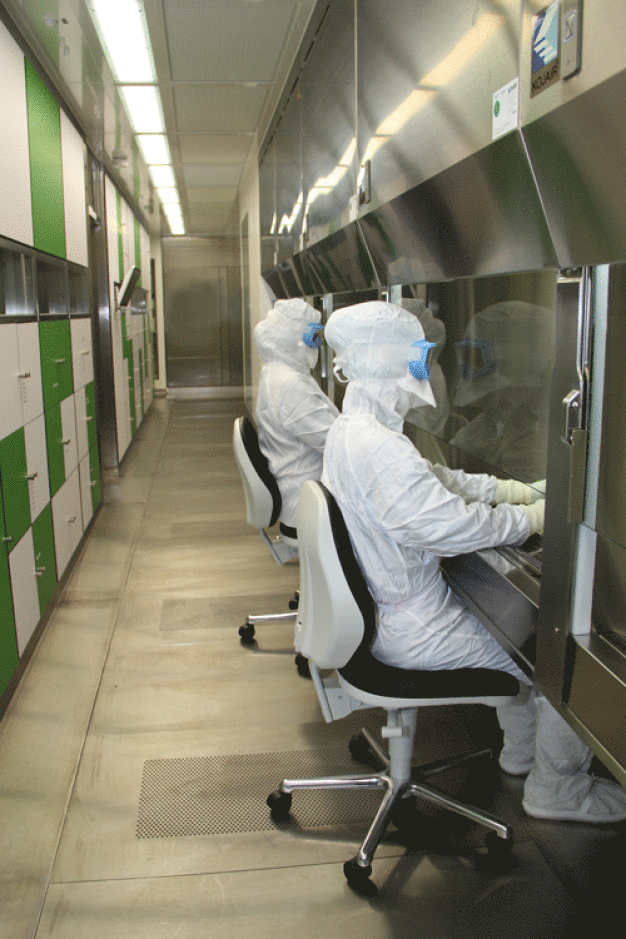
Fig. 2: Right manufacturing room, team at 2 benches, laminar flow from the ceiling, raised floor V4A
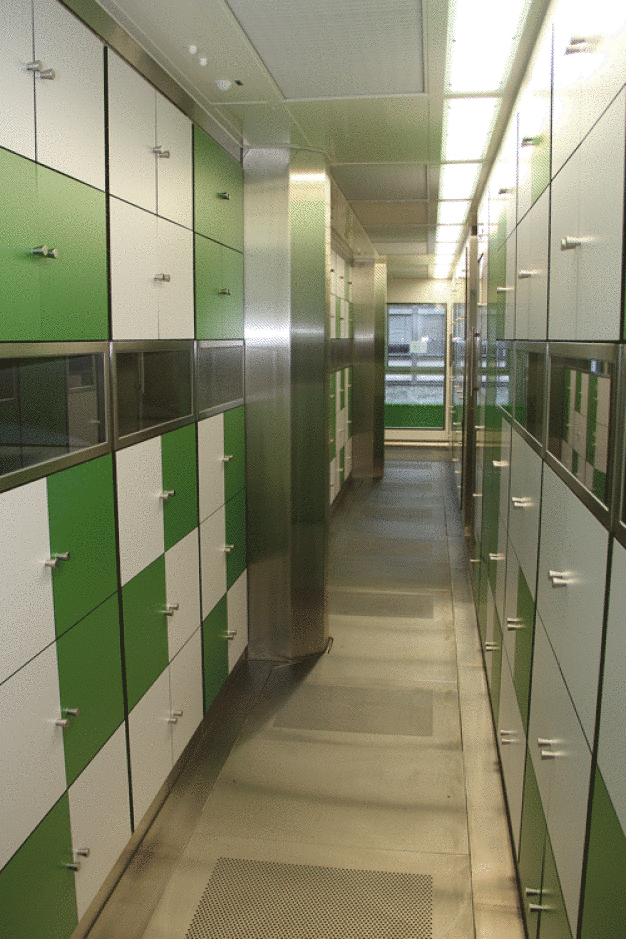
Fig. 3: Centrally located supply corridor GMP Class "B", Material transfer into the manufacturing area
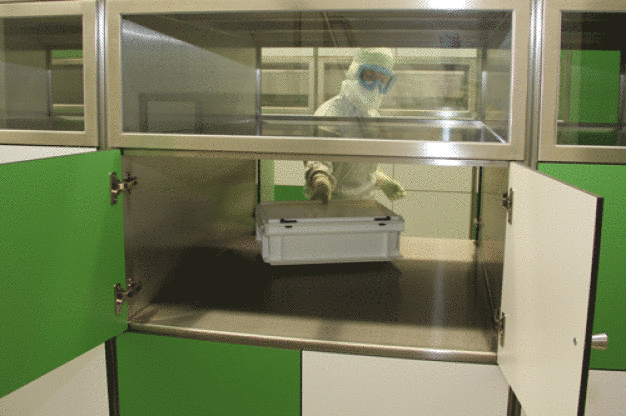
Fig. 3: Centrally located supply corridor GMP Class "B", material transfer into the manufacturing area
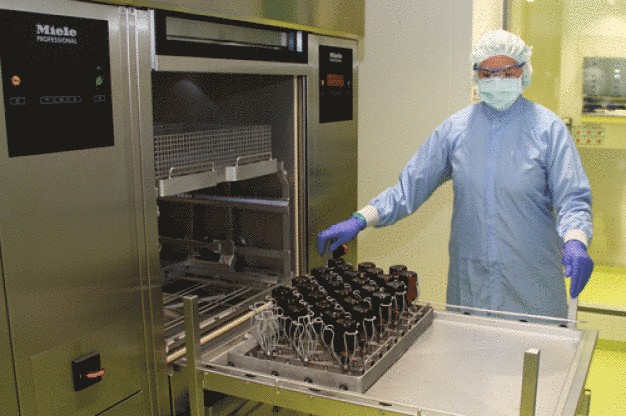
Fig. 4: Pre-cleaning of the vials in a flow-through washing machine.
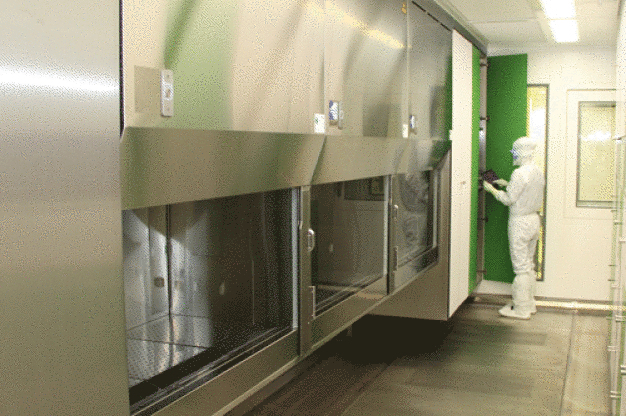
Fig. 5: Freely "floating" safety cabinets, laminar flow, and V4A double floor in the surrounding area
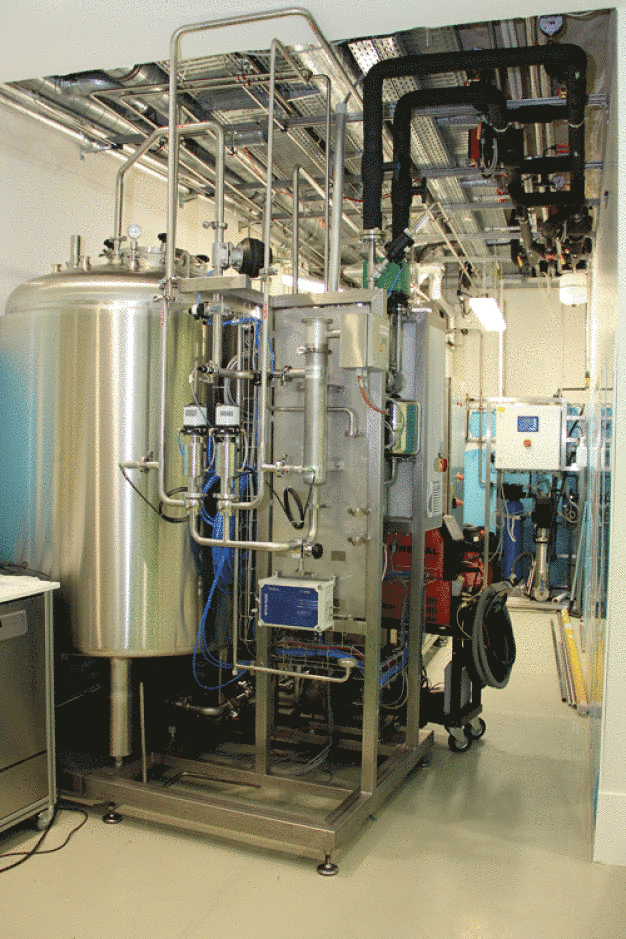
Fig. 6: View of the pure water system
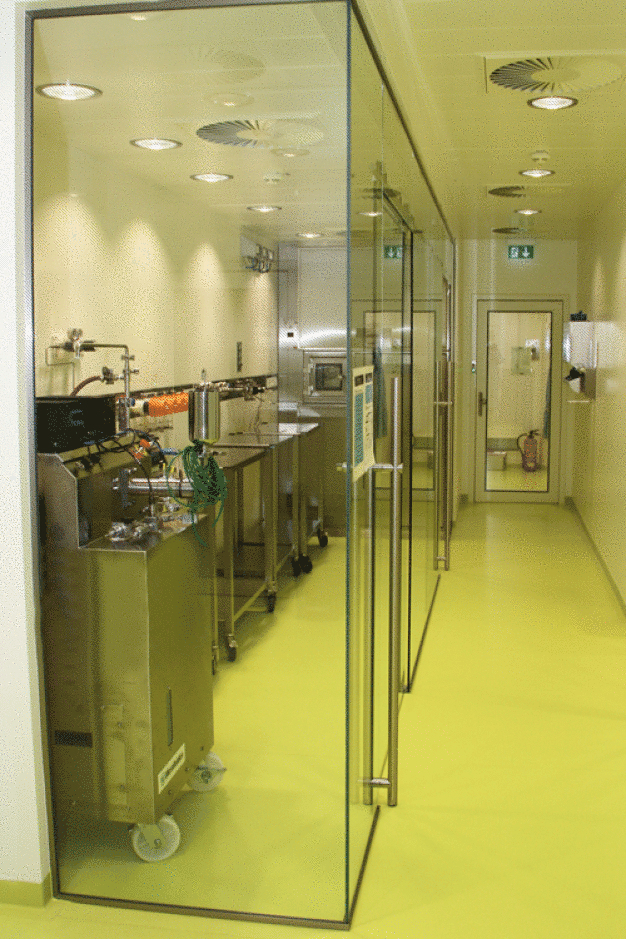
Fig. 7: View into one of the supply rooms
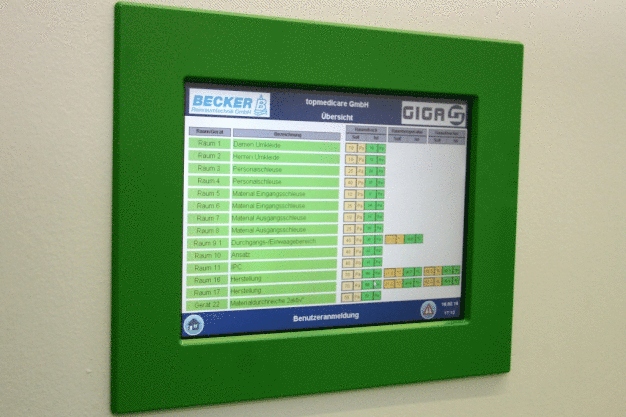
Fig. 8: Central control terminal for operating all system components
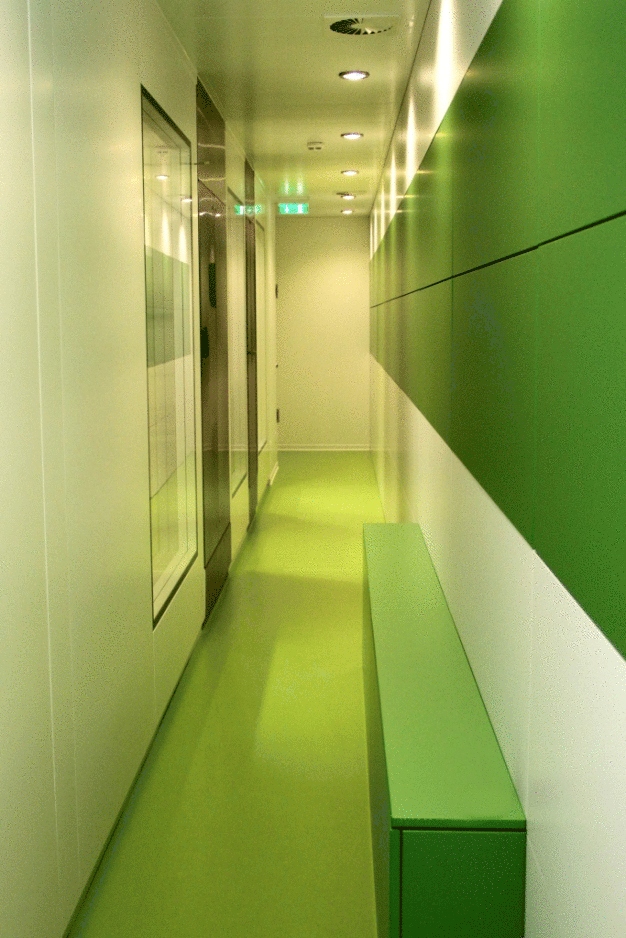
Fig. 9: Visitor corridor with viewing possibility into areas B
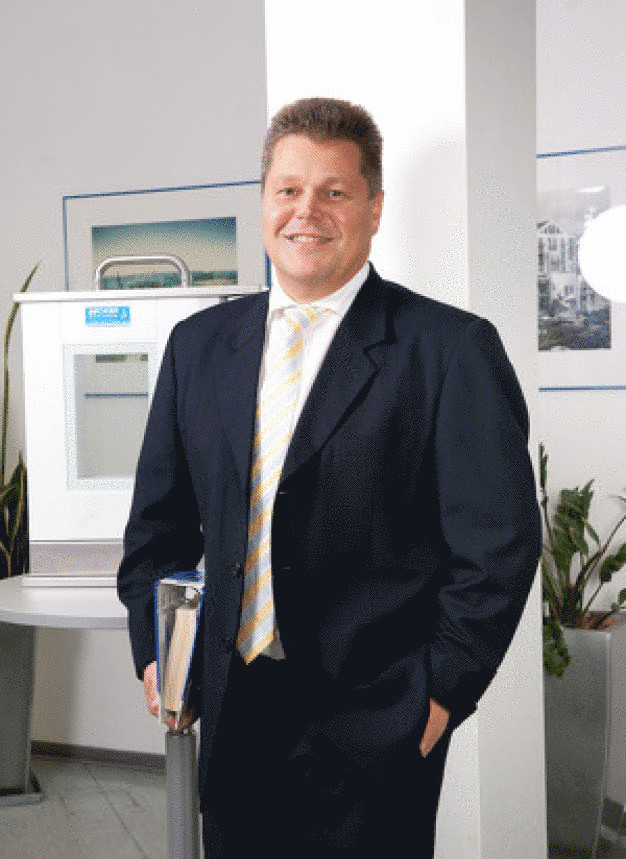
Dirk Steil - BECKER Cleanroom Technology GmbH
In Saarbrücken, a "somewhat different" cleanroom was put into operation. The Topmedicare GmbH, led by Dr. Fritz Trennheuser, now has high-tech cleanrooms in the heart of the Saarland capital. (Fig. 1)
Topmedicare GmbH is a contract manufacturer of sterile and non-sterile medicines as well as test preparations IMP (Investigational Medicinal Products) for pharmacies and the pharmaceutical industry. The rapidly growing business sector demanded an ideal manufacturing environment that meets the high standards of sterile production. Dr. Fritz Trennheuser commissioned the company BECKER Cleanroom Technology GmbH with the planning and turnkey construction of the cleanrooms. "For me, the experience, technical flexibility, and innovative strength were decisive factors in choosing the partner. The fact that efficient energy use was also valued was an interesting extra for us," says Dr. Trennheuser.
Sterile production now takes place over an area of over 200 m² of GMP classes A to D, with a variety of special features in both the process and cleanroom technology. (Fig. 2)
A key point of process optimization is the material flow to and from production. Here, the so-called "water carrier principle" was implemented, meaning there are two parallel production lines separated by an intermediate service corridor. (Fig. 3)
This service corridor is qualified as GMP class "B" and connected to the production areas via multiple material pass-throughs. The so-called "water carrier" supplies and disposes of the adjacent production area without creating personnel flow there. The staff working at the 12 safety workbenches can fully concentrate on sterile production. Two people work at each of two benches as a team, passing products within the A-area. One bench is used for sterile filling, and the vials are then transferred through pass-throughs between the benches into the adjacent bench for capping. This way, the product always remains in the A-area, and the two processes are separated at the same time. (Fig. 4)
In addition to the manufacturing process, interesting technical features have also been implemented:
Sterile production does not, as is usual, take place in GMP classes "A in B," but the B-area is also supplied with laminar airflow without affecting the barrier function of the safety workbenches. The HEPA-filtered air is laminar introduced via fan-filter units in the ceiling and exhausted through a double floor made of V4A steel. This achieves a "class A in A" production environment.
The challenge was to achieve turbulence-free displacement airflow in front of the safety workbenches, with an air velocity in the double floor duct between 1 m/s and 9 m/s, exhausting the same volume flows across all floor panels.
Since there was no off-the-shelf solution for this, special perforated grille panels with adjustable diffuser plates were developed for this specific task.
Air volume measurements and a video-documented flow visualization during commissioning proved the uniform air distribution and thus confirmed the required function.
Moreover, the particle concentration in the exhaust air of the double floor can be measured online, and the air volume can be adjusted if necessary.
The safety workbenches are unique in that they are suspended from the ceiling and, as already mentioned, enable material flow within the team from one bench to another via pass-throughs. This ensures optimal freedom of movement, cleaning, and safe team production. (Fig. 5)
The requirements for room climate control specified a temperature gradient of 20 °C with a relative humidity of ≤ 40%. A central HVAC unit with an integrated adsorption dryer was used for dehumidifying the supply air. The hydrophilic storage medium is dried again on the regeneration air side using the rotation principle with heated outside air. (Fig. 6)
Energy efficiency was also a consideration: due to increased noise requirements in the building's environment, a water-cooled chiller unit for indoor installation was used for cooling. The waste heat from the condensation process is transferred to outside air via a so-called heat exchanger.
The heat exchanger was integrated into the chilled water system so that outside air can also be used for energy-efficient cooling without mechanical compression energy. The heat exchanger's surface area was determined by the heat recovery factor. From an outside temperature of 16 °C, the cooling medium is precooled by outside air, so only the temperature difference needs to be further cooled by the chiller. At an outside temperature of 8 °C, the heat exchanger can produce full cooling capacity without compression energy. The potential savings amount to over 30 kW of electrical power. (Fig. 7)
The potential for savings through a defined setback operation was also implemented.
To adapt air change rates and room conditions to different usage times and actively contribute to energy savings, supply air volume flows can be reduced as needed via bus-capable electronic volume flow controllers, and room temperature/humidity can be individually lowered through individual room controls.
To prevent unintended contamination of the zones operated in maintenance mode, the respective access doors are automatically locked via the central sluice control during setback operation.
The validation of these setback and restart functions was also ensured. (Fig. 8)
Last but not least, attention was also paid to the color scheme of the cleanrooms. The company's corporate design color—a fresh green—is used throughout all rooms in various shades. In addition to the well-being effect, the cleanroom classes are also visually distinguished by color on the floor. The entire cleanroom area is surrounded by a circulating visitor corridor, allowing views from the black area into the GMP "A" work area of the safety workbenches. (Fig. 9)

BECKER Reinraumtechnik GmbH
Von-der-Heydt-Str. 21
66115 Saarbrücken
Germany
Phone: +49 681 753890
email: info@becker-reinraumtechnik.de
Internet: http://www.becker-reinraumtechnik.de



