
- Buildings & Rooms
- Translated with AI
High temperature, high pressure, high quality
From raw material to delivery: How nora systems creates successful rubber flooring
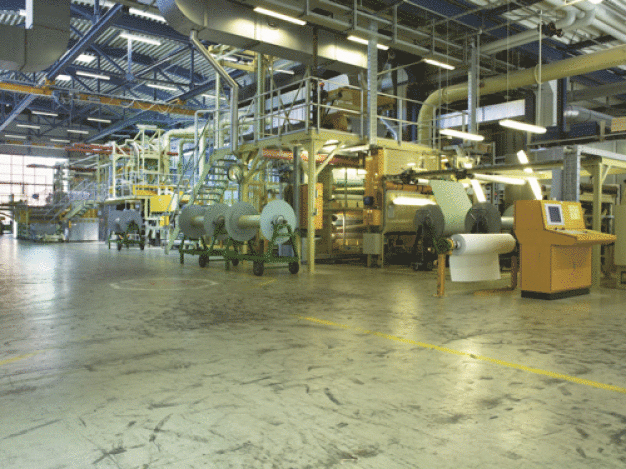
Production hall
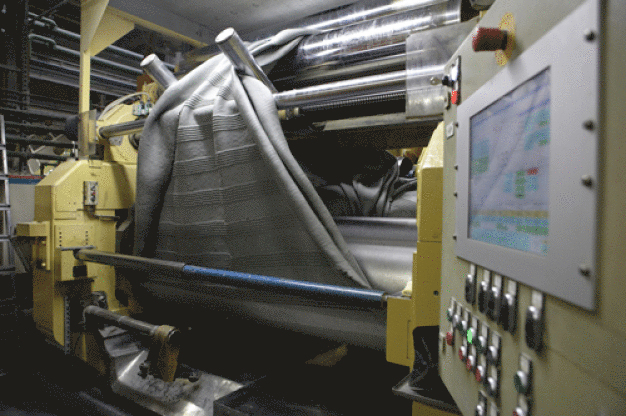
Rolling mill
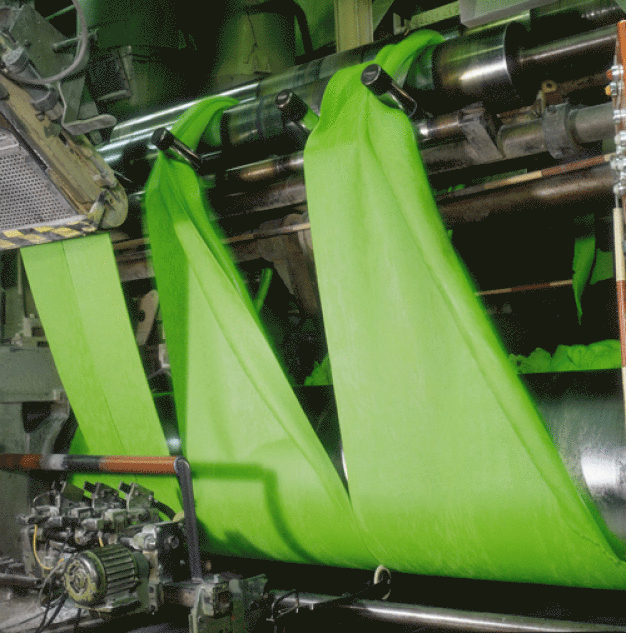
Calendar
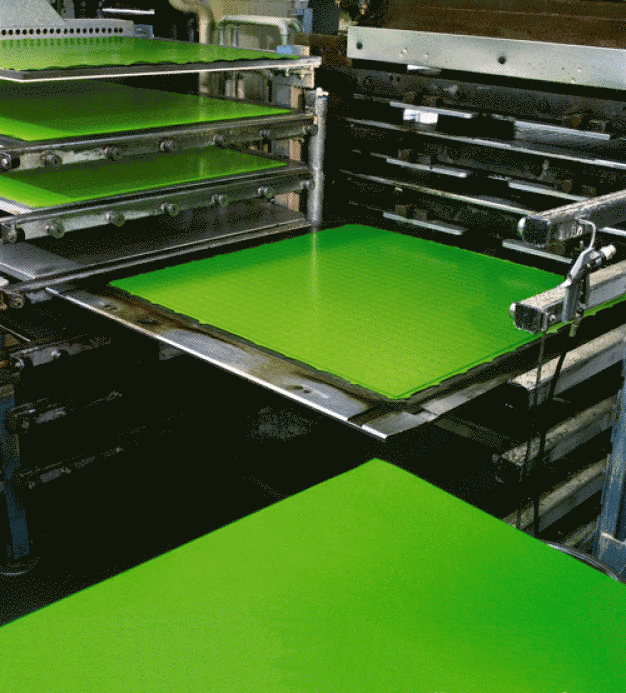
Pressen Norament
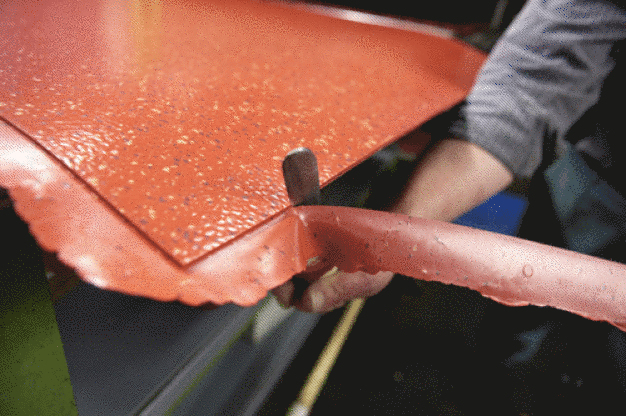
Cutting before punching Norament
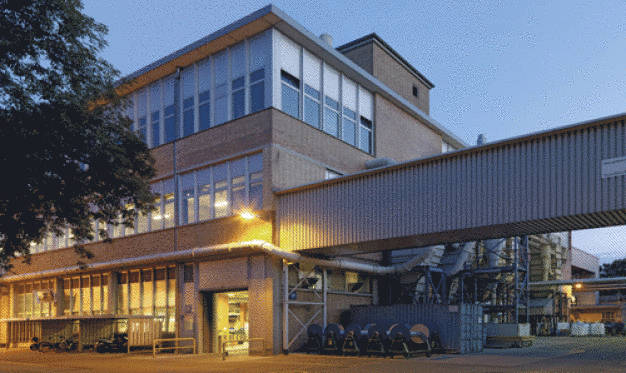
Work Weinheim
The right mix is key at nora systems. So, what is required to produce such high-quality rubber flooring? Not every flooring can withstand the highest demands and has such a dense surface that, unlike other elastic floor coverings, it does not need an additional coating to seal it. The crucial steps to a successful end product are the perfect combination of materials and the manufacturing process. The foundation of the floors "Made in Weinheim," which are found in hospitals, nursing homes, kindergartens, universities, and buses, among other places, are valuable natural and industrial rubbers. They are processed in state-of-the-art production facilities, whose technical standards are among the highest worldwide. All steps of production meet strict ecological requirements. For example, resources used are minimized throughout the process. Cooling water, for instance, is circulated in loops to reduce water consumption, and electricity and process steam are generated as environmentally friendly as possible in a power plant—using high-performance air filtration systems and the combined heat and power principle.
From raw material storage through the kneader to shaping
The long journey of rubber to become flooring begins in the raw material warehouse, followed by the preparation of various raw materials. Next, all materials are placed into the large kneader. During mixing, up to 30 raw materials are blended, including minerals from natural deposits, light and aging stabilizers. The entire process is comparable to baking a cake. Now, it is also decided which of the 300 colors from the nora standard range the floor will receive—the corresponding pigments are mixed in. After further processing of the mass in the calendering machine, it moves to the batch storage, where the blanks are stacked, then to the intermediate storage. After about two days of curing, the pre-product is run through the large calender again. Now, the rubber mixture is heated and pulled into sheets via the calender, which consists of several stacked rollers. This is the first step toward shaping.
Rolled or stacked – vulcanized and refined
For the noraplan product line, later offered as standard in 15-meter-long strips, the intermediate product is now rolled up. For the norament product line, made into square-meter tiles, it is stacked. While noraplan is vulcanized—essentially "baked"—at high temperature and very high pressure in a continuous process, giving it its shape-retentive yet permanently elastic properties, the same process occurs simultaneously for the sister product norament under high pressure using presses. Afterwards, both product lines undergo "refinement": the back side is ground, and the surface is re-crosslinked using the nora cleanguard technology, making it more resistant to wear and scratches. Thanks to this technology, nora floor coverings can later be cleaned cost-effectively and easily with a damp mop after installation. For the strip product noraplan, the edges are trimmed, and the product is cut to its final length; for the tile product norament, it is punched accordingly. Finally, both rubber flooring types are packaged and stored.
Sustainable and environmentally responsible lifecycle
The strip products are wound onto spools made from recycled cardboard, and the outer packaging is also made from recyclable paper. The rolls are then stacked upright on wooden pallets and shrink-wrapped with environmentally friendly, recyclable film. According to customer requests, the norament tiles are delivered either loose or boxed on wooden pallets, which nora systems collects back as part of a European recycling program and reuses. The sustainability of the product's lifecycle is further underscored by another fact: production scraps—such as grinding dust or leftovers from punching—are recycled and form an important part of the raw material base for various nora products. For example, they are used as decorative granules in jewelry or design elements.
More than one in three orders today for the experts at nora systems is a custom-made product. A special color that perfectly matches a company's corporate design, or inlays and inlaid designs in the floor based on individual motifs—these customer-specific ideas are realized without long delivery times. Combining the technical properties of the strip flooring noraplan with a special design of the norament tiles? Always possible, and in nearly any desired color.*
nora systems GmbH
Höhnerweg 2-4
69469 Weinheim
Germany
Phone: +49 6201 2743934
Mobile radio: +49 172 6330484
email: frank.baehr@nora.com
Internet: http://www.nora.com