
- Cleaning | procedures, devices, agents, media (Wipers, Swaps,...)
- Translated with AI
Dietmar Pfennig
From stainless steel – bucket to certified cleaning and disinfection system for GMP A/B
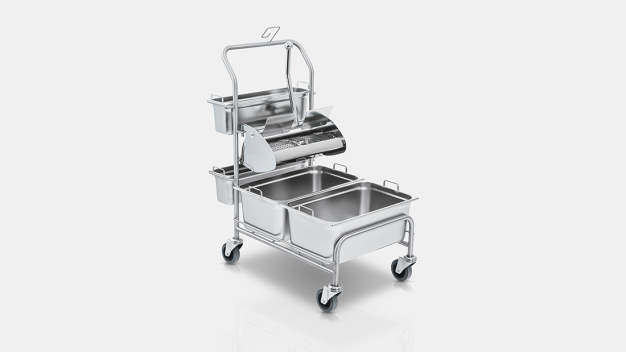
Fig. 1: Clino® CR3 FP-GM (Image rights: Pfennig Reinigungstechnik GmbH)
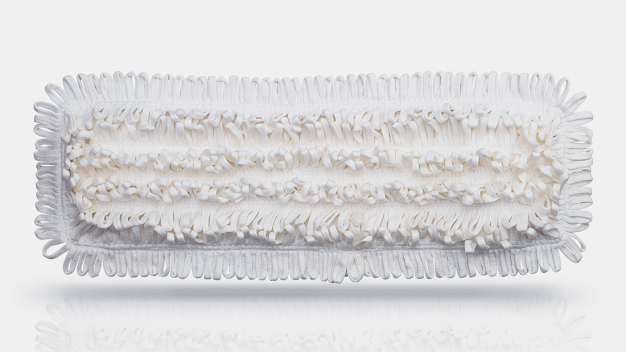
Fig. 2: Mop King CR (Image rights: Pfennig Reinigungstechnik GmbH)
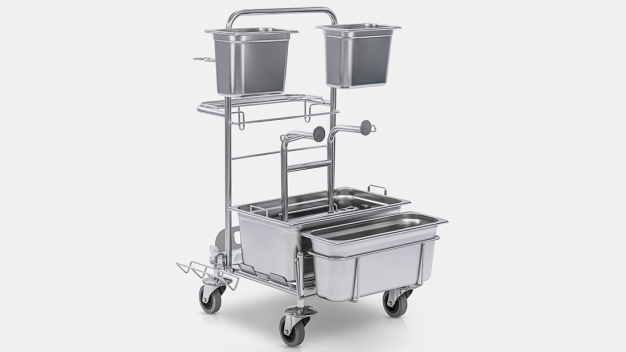
Fig. 3: Clino® CR4 MF-GMP (Image rights: Pfennig Reinigungstechnik GmbH)
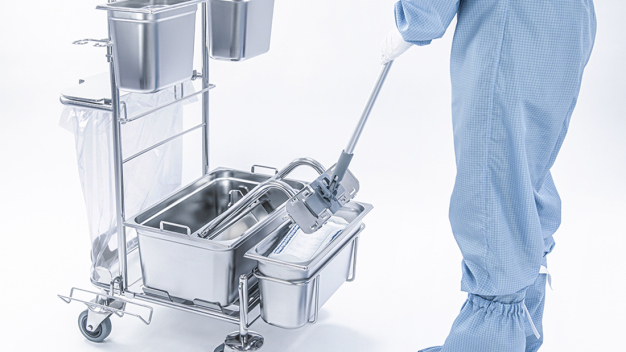
Fig. 4: Clino® CR4 MF-GMP in use (Image rights: Pfennig Reinigungstechnik GmbH)
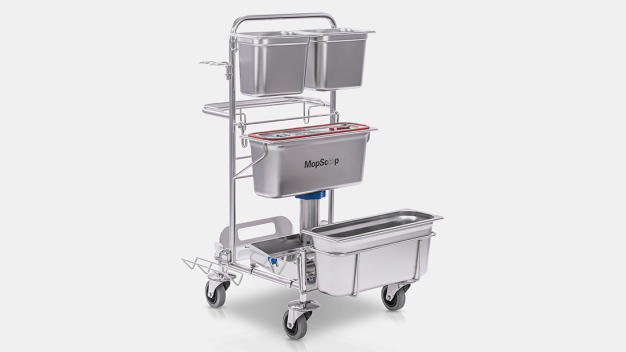
Fig. 5: Clino® CR4 SC-GMP (Image rights: Pfennig Reinigungstechnik GmbH)
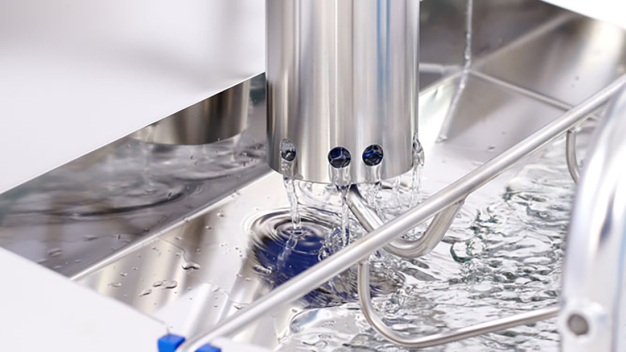
Fig. 6: Highest precision – the desired dosage runs through the stainless steel pipe into the dosing bowl (Image rights: Pfennig Reinigungstechnik GmbH)
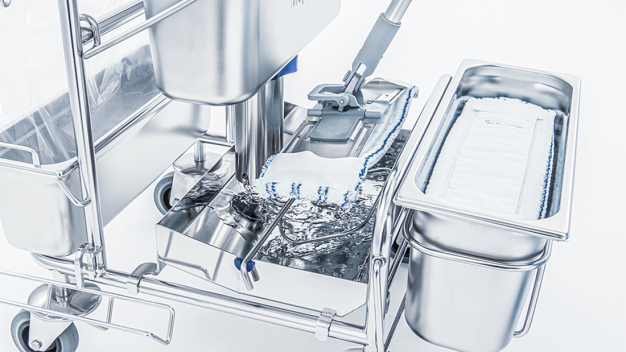
Fig. 7: Fluid intake after triggering the desired dosage (Image rights: Pfennig Reinigungstechnik GmbH)
From today's perspective, it seems almost obvious that in areas with the highest regulations, one should also find the most advanced cleaning and disinfection equipment and procedures. This is now the case, but the situation 25 years ago was quite different. The following article aims to provide a brief overview of the development of cleanroom technology for cleanrooms since 1998.
At that time, hospital cleaning already featured two methods with the Ringo – flat press and the newly developed EasyMop – process, which enabled ergonomic, contactless work and prevented the reuse of contaminated textiles.
When we first encountered the topic of "cleanroom" this year, we were amazed to see the state of cleaning technology: stainless steel buckets, sponges with wringing mechanisms, cloths – and again and again, the good old spaghetti mop, which has been considered extinct in professional building cleaning since the early 80s. Accordingly, the procedures were ergonomically poor, quite time-consuming, and poorly reproducible.
However, these devices had one advantage over ours – they were autoclaveable! This clarified the task, and within a year, we launched the first certified cleanroom cleaning system ever, the Clino CR3 with the Mopp King CR, making the application technology of modern building cleaning suitable for cleanrooms.
However, we completely misjudged one thing: the need for such a device. Initially, we assumed only a few custom-made units, but then demand overwhelmed us, and in the early days, it was almost exclusively enthusiastic word-of-mouth that spread.
The main argument at the time was, of course, the significant time savings compared to conventional procedures, as well as the much more ergonomic work and the possibility to autoclave equipment and mops easily. After some detailed improvements, it soon became clear that the system designed around the flat press had reached the limits of its development potential, and the future in the cleanroom also lies in pre-prepared covers. The significant expansion of the capabilities of the stainless steel modular system also required a "hardware update":
The successor model CR 4 can now meet almost all requirements with just one basic module. After two years of development, combined with significant investments in manufacturing tools, the first user-independent reproducible cleanroom cleaning system, "EasyMop GMP," was launched in 2011. Customers responded enthusiastically, as issues such as unintentional misuse, open water transport, and incorrect dosing were suddenly resolved. The improvements in process flow also convinced the judges at the ContaminExpo in Paris in 2015, so that EasyMop GMP won the innovation award for cleanroom operating materials. The system remains "state of the art" in cleanroom cleaning today, but that does not mean there have been no further challenges: for objects with fluctuating mop needs, a solution should be found to dose each mop immediately before use as precisely as possible.
MopFloat: Cleanliness lies in the detail
The result of another two-year development is the MopFloat system, which achieves a precision that cannot be influenced by the user, solely through mechanical intelligence, resulting in deviations of less than 2% without pumps, valves, or similar components.
Significant progress has also been made in textiles. While 20 years ago there was only a cleanroom-compatible mop cover, today there is a whole range of certified textiles for single-use or multi-use applications. Most of these are produced in Germany and washed and processed domestically to reliably guarantee the required properties.
The vast majority are designed as multi-use systems, as this is usually the more economical alternative. To ensure the necessary safety for users, a scientific long-term study was initiated with the Textile Research Institute Denkendorf. The results confirmed that up to 50 sterilized and 100 unsterilized processing cycles, there are no losses in square meter and cleaning performance, nor increased particle release.
Simplify your cleanroom cleaning: MopScoop
In 2019, MopScoop was developed as a cleanroom cleaning system with the goal of realizing the improvement potentials of all existing systems on the market, considering updates to relevant regulations, and, above all, making daily work as easy and safe as possible. The entire system can be operated almost entirely without physical effort. Gravity and leverage do the work.
The fully contactless workflow and the sealed disinfectant reservoir eliminate the main sources of cross-contamination and guarantee maximum hygienic safety.
It can be used with disposable or reusable textiles, depending on requirements.
The unmatched precision of 1.3% ± guarantees perfect reproducibility of results and enables easy validation with minimal effort, supported by relevant documents and reports. Additionally, the combination of precisely adjustable dosing and complete consumption of the prepared fleet without residual quantities allows for a highly responsible handling of disinfectants.
Looking at this development – from the bucket-and-sponge method to fully validated and user-safe cleaning systems – speaks volumes about the increased value and perception of the importance of correctly performed cleaning and/or disinfection for the production process.
This importance is also clearly reflected in the revised Annex 1 of the GMP guideline. Imagine you only had buckets and sponges available now…

Pfennig Reinigungstechnik GmbH
Heubachstr. 1
87471 Durach
Germany
Phone: +49 831 561220
Fax: +49 831 61084
email: info@pfennig-reinigungstechnik.com
Internet: http://www.pfennig-reinigungstechnik.com