- Translated with AI
LOUNGES 2019 in Vienna – Interesting Topics and Attractive Location
Projects and their questions are at the center of the presentations
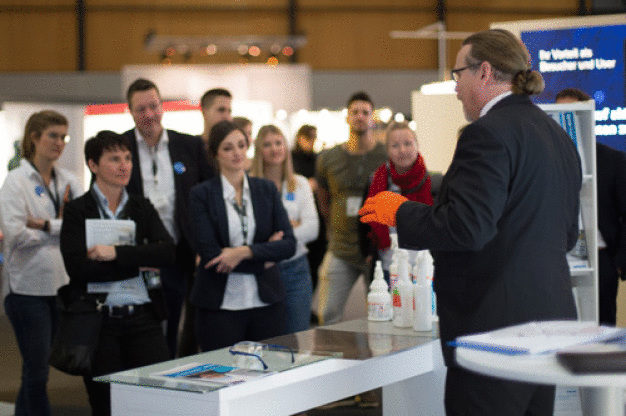
(Image rights: Inspire GmbH)
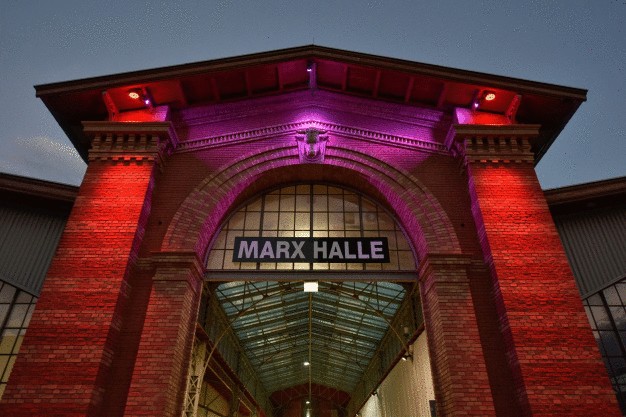
(Image rights: Inspire GmbH / Marx Halle)
The following list of topics represents only a part of the very interesting program.
The right implementation models for construction projects
At the beginning of a project, the discussion often arises about which implementation model is the right one for my upcoming project. This topic is further complicated by the different perspectives of the involved stakeholders and by the varying construction and development cultures in different countries. Planning based on individual disciplines or as a general planner? Realization through individual trades or as a general contractor or even as a total contractor? EPC or just EPCM? Which contracts should be concluded? This presentation will briefly touch on these topics, highlight the advantages and disadvantages, and thus provide the project manager with confidence to steer their project correctly.
How do I find the right external project partner?
Depending on the project size, available resources, and competencies, it is often not possible to carry out projects solely with internal staff. And even for interim tasks, many companies rely on external experts. What should be considered when working with external project partners, which selection criteria and procedures can be applied, and how can successful project completion be achieved together will be discussed in this presentation.
Sustainable and GxP-compliant building design
In many completed projects, awareness of environmental protection has always been present, especially in the pharmaceutical and chemical sectors. At the same time, value was added through energy optimization by always seeking the best technical and economic solution that minimizes operating costs and energy consumption. All these experiences gathered in numerous projects were very useful to connect with the new perspective of project development. The goal is to convince clients of the importance of sustainable construction, demonstrate that the benefits of this building approach are quantifiable, and show that these advantages lead to increased employee productivity and that short-term energy savings can offset initial investments.
The Cleanroom in Focus
Contents and context of a cleanroom project
This presentation provides a comprehensive neutral overview of the project process for GMP and ISO cleanrooms. Starting with the pre-project phase, budgeting, and requirement specifications, it further explains the project timeline with the individual planning phases and options for cost control. In addition to organizational and technical information about planning services and plant optimization, the areas of communication with authorities, as well as timing and content of qualification services and qualification measurements, are explained. Information about the post-project phase for plant maintenance and requalification of cleanroom technical systems completes the overview of the entire project process.
Practical implementation of personnel access control
Personnel access influences workflows and cleanliness levels. Only with proper planning and setup can dressing be both cleanroom-compliant and efficient. In addition to personnel pathways, considerations must be given to the supply of clothing items and their disposal. Solutions are presented based on practical examples of personnel access controls designed and implemented for pharmaceutical clients, which optimize throughput while considering future requirements and guidelines. This includes which materials (stainless steel, HPL, Corian, etc.) can be used, the advantages they offer, and what needs to be considered accordingly.
The Safe Operation
Commissioning management with the LEAN method
Especially in large, demanding projects with many stakeholders, a project based on the LEAN methodology is advantageous. Instead of prescribing a framework schedule based on experience (planning, awarding, execution, commissioning), the focus in LEAN projects is on the overall process. All stakeholders develop this together. They focus on sequences, dependencies, and preconditions. This creates a shared understanding and makes potential risks identifiable much more quickly. During commissioning, standardized processes and the connection to the construction site ensure timely and satisfactory handover, including considerations of costs and quality. This way, a stable process for further qualification until the start of production can be ensured. The presentation provides an introduction to commissioning management using the LEAN methodology. The necessary steps are presented and explained.
Risk analysis in Pharma Engineering - 4.0
Risk management in pharma engineering means not only analyzing and assessing risks and controlling them through the implementation of risk-reducing measures. All measures defined in the risk analyses—and there can be many—must then be implemented and tracked in subsequent steps such as commissioning and qualification activities. The risk analysis should define which measures need to be tested during commissioning and which should be incorporated into qualification. If risk points are linked with the respective operator requirements (URS points), a complete traceability matrix can be created from the start, or the risk analysis can serve as a central point for implementing and tracking changes, ideally automated in the era of Pharma 4.0.
Human Factor
CLEANROOM SKILLSET AND MINDSET THROUGH DEEP TRAINING
Proper behavior in the cleanroom is a challenge: The highly sensitive cleanroom environment presents operators with special challenges, which current training systems often struggle to address. The problem: Principles of modern learning psychology are insufficiently considered, and modern technology opportunities are underutilized. Operators need targeted preparation for the challenges in the cleanroom to prevent contamination. What can the combination of psychological knowledge and technological know-how contribute to cleanroom training? How can virtual reality technology be used to teach fundamental principles of correct cleanroom behavior, foster deep awareness, and strengthen motivation for proper work among operators? Where does virtual reality reach its limits, and where does the technology have its greatest strengths? All this will be discussed in the expert lecture.

LOUNGES ON TOUR
Inspire GmbH
Am Falltor 35
64625 Bensheim
Germany
Phone: +49 6251 706068
email: harald.martin@i-ec.de
Internet: https://cleanroom-processes.de/