


- Furnishing & equipment
- Translated with AI
Sven Siegmann, Carsten Moschner, DASTEX Reinraumzubehör GmbH & Co. KG
If you say A, you should also say B
Endotoxin-reduced cleaning cloths for use in critical areas
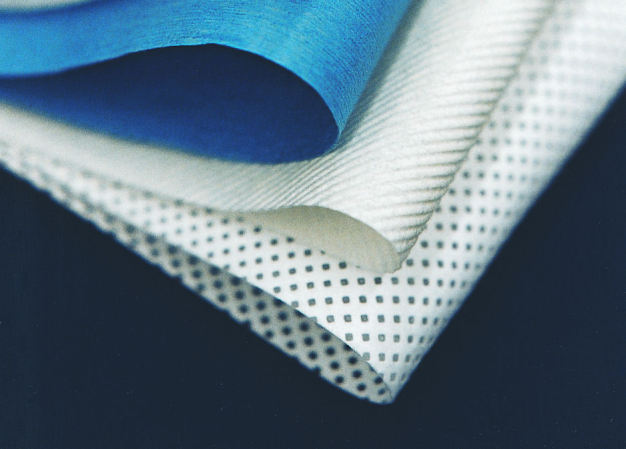
Typical cleanroom cleaning cloths for various applications.
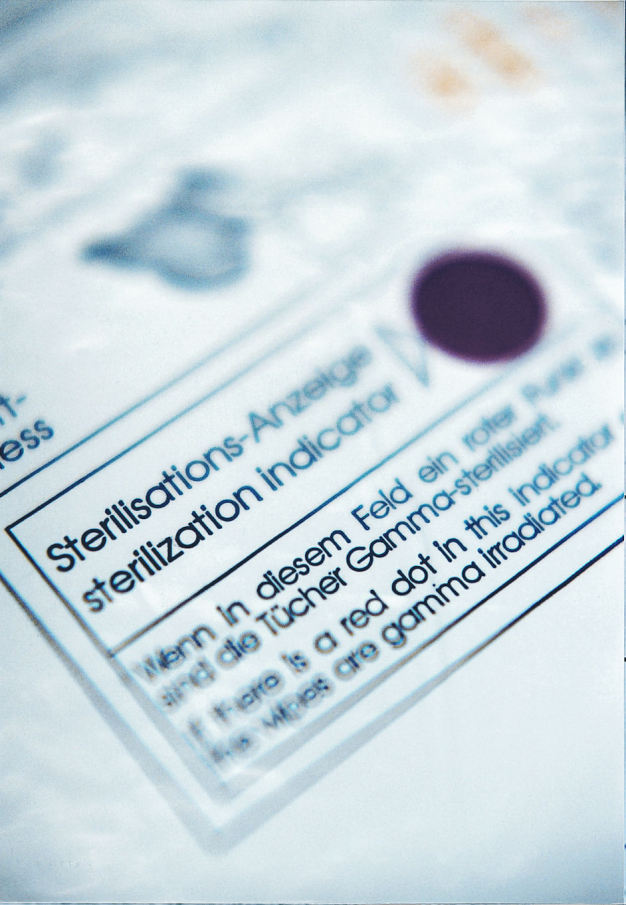
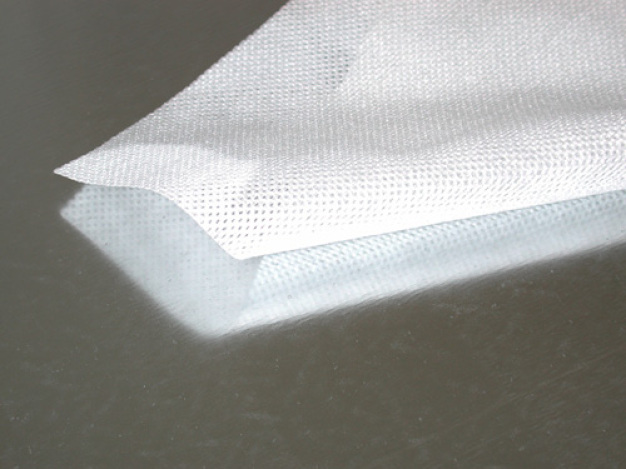
In the pharmaceutical industry, particular attention has long been paid to the endotoxin contamination of products and consumables, especially among manufacturers of parenterals and implants. For example, the endotoxin content of gloves and process chemicals such as WFI (Water for Injections) must be regularly tested, and the manufacturing process validated. The issue is also increasingly considered in sterile room cleaning, which is reflected in the growing use of WFI in the production of cleaning and disinfecting agents. Manufacturers of cleaning products meet these requirements through validated and certified manufacturing processes, ensuring users of defined endotoxin levels in their products. Suppliers of cleaning cloths have also recognized this need and developed corresponding products optimized for use with other endotoxin-reduced products. Notably, significantly more endotoxin-reduced gloves and cleaning fluids are currently used than corresponding cleaning cloths. This leads to the assumption that, in many cases, endotoxin-reduced cleaning processes are targeted but not yet implemented consistently.
Endotoxins are components of the outer cell membrane of Gram-negative bacteria and consist of lipopolysaccharides. They are not produced by bacteria for release but are present on the surface of Gram-negative bacteria in vivo or are released during bacterial death as part of cell debris. Their medical relevance lies in their physiologically active property to induce immune reactions such as fever or inflammation upon entering the human body. Endotoxins thus belong to the group of pyrogens, and the terms pyrogen and endotoxin are often used synonymously in publications. In addition to parenterally administered medications, there are also limits for medical products that come into contact with body fluids during intended use, regarding the maximum permissible contamination. These are specified in the EU (Endotoxin Units) and, for example, are 2.15 EU per device for cerebrospinal fluid and 20 EU per device for lymph/ blood (Ph. Eur. 2.6.14 and USP Chapter 85). Other limits apply in decreasing order for contact with internal organs, the digestive system, and skin contact. The European and American pharmacopoeias are responsible for setting these limits.
Various testing methods using the LAL test are available for users and manufacturers to determine EU levels according to the aforementioned pharmacopoeias (Ph. Eur. 2.6.14 and USP Chapter 85). The Limulus Amebocyte Lysate test generally uses a lysate derived from the blood components (amebocytes) of horseshoe crabs, which coagulates upon contact with endotoxins, allowing for quantitative determination via turbidimetric or colorimetric reactions using a microplate reader. This analysis method, approved by pharmacopoeias, enables highly sensitive detection. The use of animals as donors does not involve exploitation of animal resources, as horseshoe crabs are released back into the wild after lysate collection, and populations are monitored. An alternative, not currently approved by pharmacopoeias, has been used for several years: a test based on phage ligand technology, which is biotechnologically produced, completely free of animal components, and can be evaluated via fluorescence in a microplate reader.
But why are endotoxins critical in the pharmaceutical industry? The products used are sterilized before use. Unfortunately, endotoxins are highly resistant and survive both steam sterilization and gamma irradiation relatively unscathed. Only dry heat or high doses of gamma radiation can reduce endotoxin contamination, although various publications report differing degrees of possible reduction. However, many products cannot withstand such rigorous sterilization treatments without damage, and alternatives for post-treatment removal must be found. For liquids like WFI or disinfectants, ultrafiltration through positively charged filters and the use of activated carbon filters provide additional options for removing endotoxins. On solid surfaces where endotoxins have dried and become attached, removal is much more difficult. Recommended methods include, for example, dry heat treatment at +200°C for over 5 hours or a 15-hour bath in 1 molar sodium hydroxide.
Since the amount of endotoxins in or on a product depends somewhat on the total microbial count, and subsequent removal or destruction on solid surfaces is clearly challenging, the key to controlling endotoxin levels lies in consistently reducing microbial counts throughout the entire manufacturing process. For the production of cleaning cloths, this means testing and validating the microbial purity of all process steps and process media. Although these cleaning cloths are marketed as "endotoxin-free," this does not mean the complete absence of all endotoxins but rather that the limits specified by pharmacopoeias are met. Recently, various cleaning cloths have become available that meet the strictest limit for contact with cerebrospinal fluid of 2.15 EU per piece (0.06 EU/ml according to USP Chapter 161). Depending on the requirements regarding abrasion resistance, both viscose/polyester nonwoven fabrics and pure polyester meshes are available as endotoxin-reduced versions.
In sterile areas with high sensitivity to endotoxins, safe cleaning processes can now be established using endotoxin-reduced cleaning products without the risk of contaminant transfer from the cleaning cloth to the surface.

Dastex Group GmbH
Draisstraße 23
76461 Muggensturm
Germany
Phone: +49 7222 9696 60
Fax: +49 7222 9696 88
email: info@dastex.com
Internet: https://dastex-group.com/