


- Technical cleanliness
- Translated with AI
Bettina Kremer
Higher requirements for technical cleanliness
How requirements for technical cleanliness will remain manageable in the future
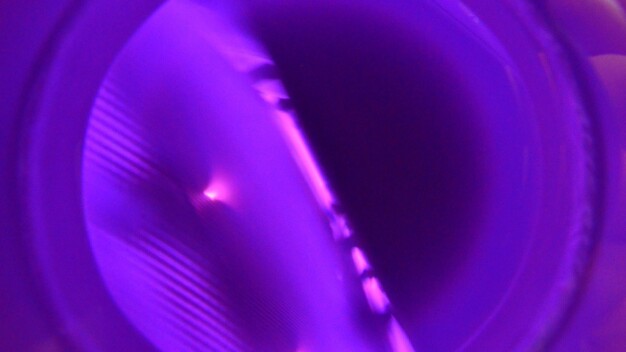
In the plasma process, the thoroughly cleaned elastomers are placed into a low-pressure plasma system where a vacuum is created. An RF generator supplies electrical voltage, which is introduced together with ambient air or oxygen. This creates an electrically conductive gas, the plasma, which alters the surface properties of the sealing rings by exciting the molecules. © Image source: OVE Plasmatec
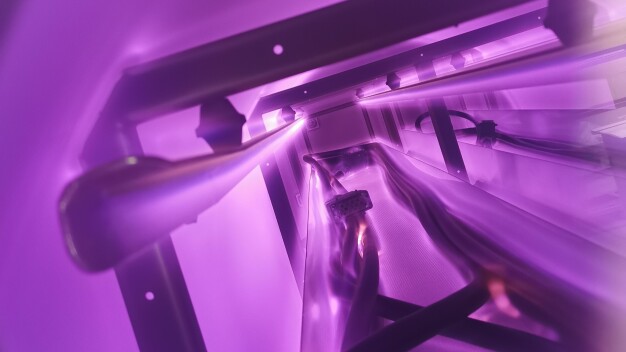
Through the plasma process, not only remaining surface manufacturing aids are removed, but also, depending on the material composition, diffused, unbound mixture components such as plasticizers from elastomers are loosened. © Image source: OVE Plasmatec
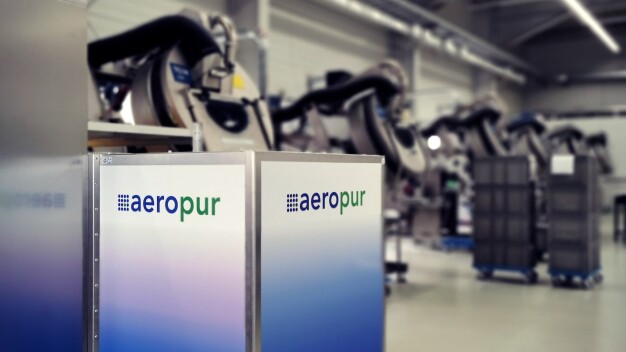
Dust filters on windows and Aeropur air purifiers ensure highly clean production conditions without cleanroom technology. © Image source: OVE Plasmatec
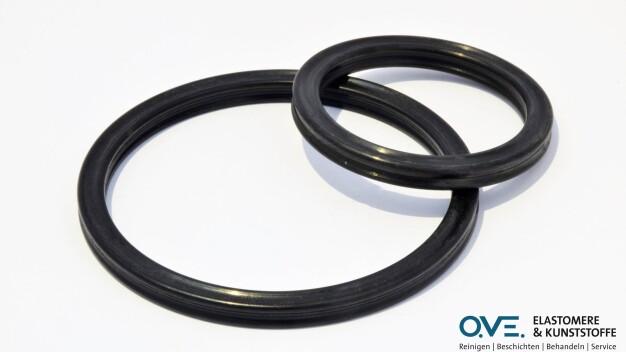
The high-performance coating OVE40SL on elastomers requires pore-deep and verified cleaning of the sealing rings. © Image source: OVE Plasmatec
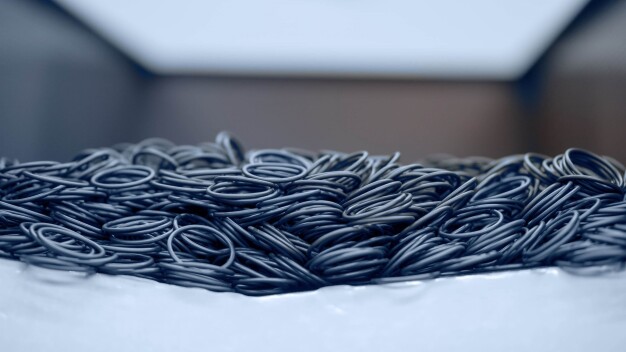
SMEs do not need to shy away from the increasing demands, guidelines, and regulations of technical cleanliness. © Image source: OVE Plasmatec
The importance of Technical Cleanliness is steadily increasing. Accordingly, efforts to prevent particle contamination in components or assemblies are also growing. It is equally important to adapt to updated guidelines and standards for the production of cleanliness-sensitive parts, assemblies, and systems in the sense of Technical Cleanliness. What the automotive industry initiated in the 1990s subsequently advanced significantly in the electronics industry, and now, within the framework of e-mobility with low-voltage and high-voltage components, is returning to the mobility industry. Demonstrating a defect-free production process from manufacturing through logistics to packaging and transportation is becoming increasingly important, especially due to the rising shortage of skilled workers.
The increasing demand for technical cleanliness presents greater challenges for many manufacturers and suppliers. Not only are more sectors and industries requiring mandatory Technical Cleanliness, but also the quality requirements for delivered parts are rising. Moreover, it is not only about actual cleanliness but also about compliance with standards, documentation, and proof that these processes have been carried out and adhered to. This affects the production of components and assemblies, internal logistics, as well as packaging and transportation to the customer, including their manufacturing and assembly areas. Despite these high demands, even small companies can manage to meet the requirements for technical cleanliness without overextending their financial potential.
Comprehensive Frameworks for Technical Cleanliness
Starting from the automotive industry in the 1990s, the demand for technical cleanliness of components to be installed quickly led to high requirements, standards, and documentation obligations. The VDA guideline, Vol. 19 “Testing of Technical Cleanliness – Particulate Contamination in Functionally Relevant Automotive Parts,” established extraction and analysis methods as well as documentation of inspection results in 2004. With the ISO 16232 standard, this also gained international validity. With the increasing proliferation of powerful electronic components and assemblies in automobiles from the 2000s onwards, electrical engineering took over the topic and codified it in the guideline “Technical Cleanliness in Electrical Engineering.” The goal is to produce cleanliness-sensitive parts, assemblies, and systems in a so-called clean manufacturing process. Throughout the entire value chain—from raw materials to end-use—areas such as manufacturing, assembly, personnel, cleaning, packaging, storage, and transportation are to be considered.
E-Mobility Brings New and Greater Challenges
The use of electronic assemblies in battery- or accumulator-powered systems brings the topic of e-mobility back with force into the automotive industry, including car and bicycle motors. The sectors of power tools and household appliances are also increasingly using batteries as energy sources. In this context, the high-voltage guideline for power electronics from 2014 is gaining more importance. It specifies particle limits concerning electrical distances, air and creepage distances, process safety, and repeatability in series production, as well as the handling of non-metallic particles and fibers.
For the manufacture, refinement, and use of elastomer seals, this means an ever-increasing effort to produce clean and functional parts—especially as assemblies become smaller, more powerful, and incorporate more functionalities within a single assembly. Smaller seals require special treatment before they can be used reliably over their lifespan. As the volume of a seal decreases, the ratio of manufacturing-related residual particles to the entire part becomes less favorable. Therefore, removing these particles before refining the seals is even more critical. Accordingly, the requirements for technical cleanliness are very high. We are currently successfully managing these challenges with a tiny seal, only the size of a pea, for e-bike electric motors.
Small Parts, Big Responsibility – Deep Cleaning with Plasma
Fact: Coating elastomer seals transforms simple sealing rings into high-tech components. This can improve friction values as well as their dynamic functions. By individualizing and optionally coloring the seals, assembly is facilitated, often making automated processing possible. At the same time, the elaborate manual application of traditional manufacturing and assembly aids becomes unnecessary. The coating with a water-based slip layer is ultra-thin and highly elastic. The most important prerequisite for its application is absolute cleanliness and verified LABS compliance. The result is thoroughly cleaned elastomer seals. Furthermore, modern cleaning methods range from simple washing to deep plasma cleaning, all tested for LABS compliance according to various factory standards.
In the plasma process, thoroughly cleaned elastomers are placed into a low-pressure plasma chamber, where a vacuum is first created. A high-frequency generator supplies electrical voltage, which, together with ambient air or oxygen, creates an electrically conductive gas—plasma—that alters the surface properties of the seals by exciting the molecules. During this fine cleaning, oxygen radicals (O) and ozone (O3) form. These free radicals bond with residual manufacturing auxiliary substances and oxidize them into gases (CO2) and H2O. This process not only removes remaining surface manufacturing aids but also, depending on the material composition, extracts diffused, unbound mixture components such as plasticizers from elastomers.
Proven LABS Compliance Increasingly Required
LABS stands for “Lackbenetzungsstörende Substanzen” (substances that disturb paint wetting). These substances prevent uniform wetting of painted surfaces, causing funnel-shaped defects and craters in the coating. Since the introduction of solvent-reduced paints in the automotive industry, LABS compliance has been required for production materials, equipment, and tools. Also, in pretreatment of adhesive surfaces, disturbances are undesirable because they reduce adhesion. Since it is often unknown which substances cause these disturbances, materials, components, and assemblies are tested for LABS compliance. While intensive cleaning can reliably remove surface-adhering manufacturing aids on metals and many plastics, surface cleaning alone is insufficient for elastomers. Only plasma treatment ensures LABS compliance in this case.
When Standards Are Missing, Expert Knowledge Is Needed
In addition to the requirements from frameworks and standards, customer demands are increasingly demanding compliance with these standards. We observe a heightened demand for documented technical cleanliness, especially as the skilled labor shortage becomes more prominent. What was previously possible on a contractual and trust basis between two business partners without verified results is increasingly falling into the background. Instead, there is a growing demand for certified technical cleanliness. Customers specifically require products, components, and parts that meet the corresponding purity levels and ensure that no unwanted particles, contaminants, or residues are present on surfaces that could impair quality, functionality, or lifespan. This results in individual requirements based on VDA Volume 19, such as the CCC code.
SMEs Must Not Capitulate to Rising Standards
The results show that small and medium-sized enterprises do not have to shy away from increasing requirements, guidelines, and regulations concerning Technical Cleanliness. It is possible to prevent particle contamination on component surfaces or within assemblies and to comply with guidelines and standards for manufacturing cleanliness-sensitive parts, assemblies, and systems without exceeding the financial capabilities of SMEs.
OVE Plasmatec GmbH
71093 Weil im Schönbuch
Germany