

- Buildings & Rooms
- Translated with AI
The best price is not always the best solution
Public Tenders – A Guide for Clients
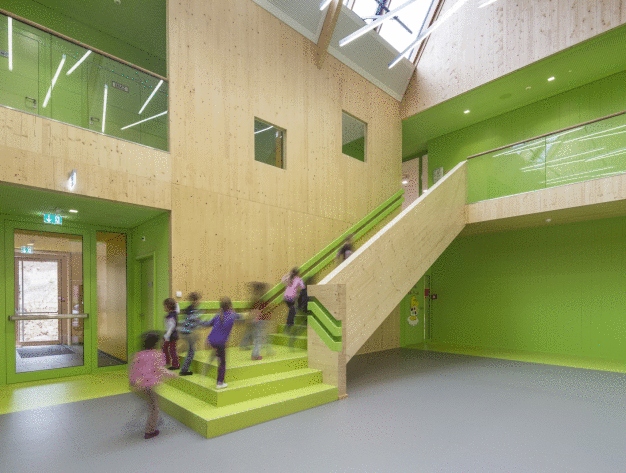
© arus gmbh Willi Latz / Photographer: Norbert Miguletz
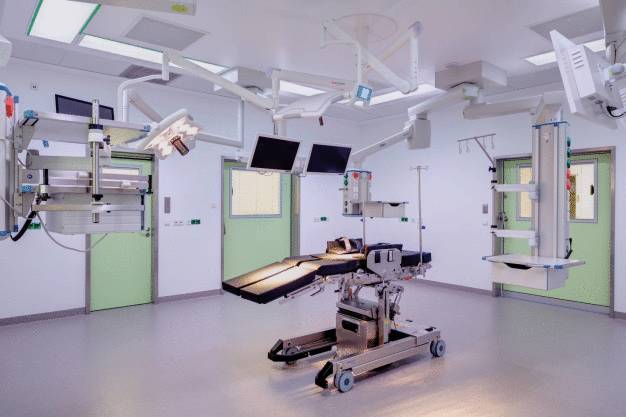
© Dirk Wilhelmy
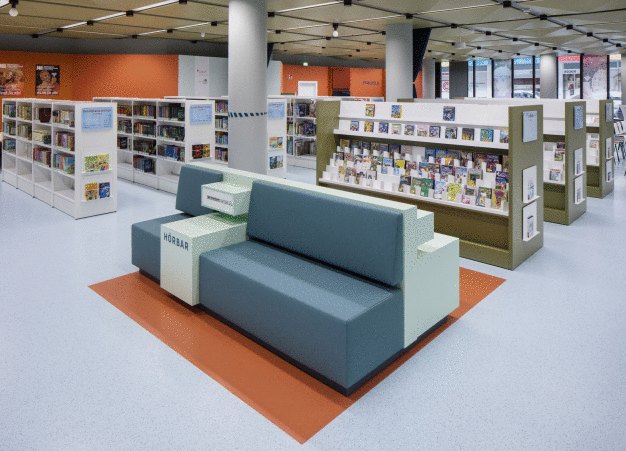
© Jens Kirchner
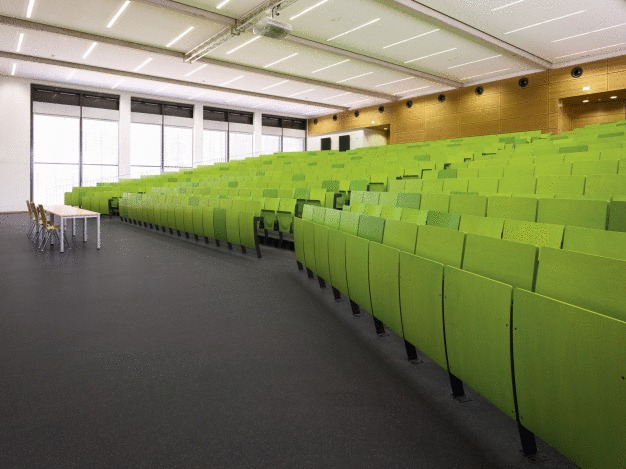
© Oliver Heinemann
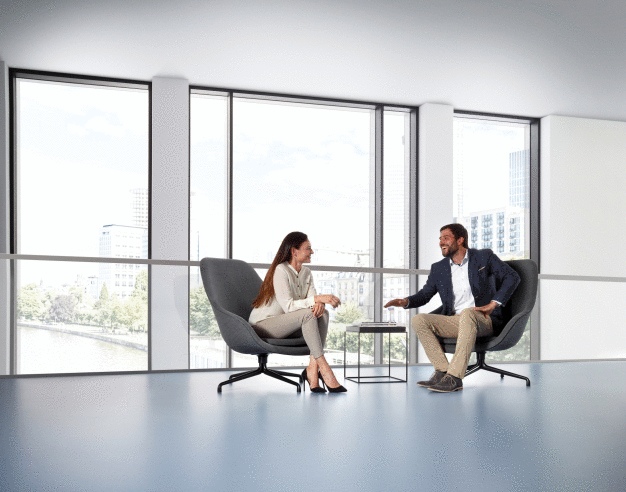


The German procurement law is a complex legal field even for experienced professionals, which is constantly changing. Public clients at the state or municipal level are repeatedly confronted with questions about legally compliant formulation of specifications. The last comprehensive reform took place in 2016. Even two years later, there is still often uncertainty about how to implement the regulations. What product features am I allowed to request, and what must I consider? How can I prevent procurement complaints through correct performance descriptions in advance? Dr. Olaf Otting, a specialist lawyer for administrative law at the Frankfurt law firm Allen & Overy and chairman of the Procurement Law Committee of the German Bar Association (DAV), has authored a guide on the topic "Procurement Law Framework Conditions for the Procurement and Description of Services by Public Clients" on behalf of nora systems. Because many factors can be decisive here — even when it comes to tendering a suitable flooring. When procuring and describing services by public clients, the lowest price should not be the sole decision criterion. Rather, it is explicitly encouraged by lawmakers to include criteria such as environmental friendliness, quality, and safety in the tendering process.
Procurement autonomy allows freedom in product selection
The public sector is obliged to create a competition-open, product-neutral specification, but this by no means means that there are no freedoms within their procurement autonomy to specify objectively meaningful properties. This also applies to services/products that are more cost-intensive but demonstrate their economic efficiency over their useful life. Naturally, there are no standardized procurement procedures or neutrality requirements for private sector constructions and contract awards, which makes it easier to literally name the desired services/products. However, public clients also have room to include additional criteria such as environmental compatibility alongside price in their decision-making. In extreme cases, the client may even tender a product that only one bidder on the market can supply. They must not formulate "covertly" factually unjustified product specifications solely to discriminate against other bidders.
Consider environmental requirements more strongly in procurement procedures
With the modernization of procurement law, sustainability and environmental protection are to be strengthened. The client is legally obliged to use their demand volume to stimulate innovation and environmental protection, and should generally demand the highest possible level of environmental protection. Once the client has defined their demand within this scope, they must describe it in a specification. Procurement law requires this to be as competition-open and product-neutral as possible. However, this principle does not conflict with the — legally encouraged — requirement to specify demanding criteria, especially regarding the environmental properties of a product or features to achieve low lifecycle costs in the specification. On the contrary: in some areas, the client is even legally obliged to do so. The flooring produced by nora systems meets demanding environmental quality standards and is certified with the "Blue Angel" eco-label. With their environmentally friendly product features, favorable lifecycle costs, and high economic efficiency, they not only meet the quality standards required in tenders but also contribute to the sustainability of buildings, which is increasingly in demand.
The guide "Procurement Law Framework Conditions for the Procurement and Description of Services by Public Clients" can be ordered at the following phone number: 06201-80-6040.
nora systems GmbH
Höhnerweg 2-4
69469 Weinheim
Germany
Phone: +49 6201 2743934
Mobile radio: +49 172 6330484
email: frank.baehr@nora.com
Internet: http://www.nora.com