
New year, new job? View the vacancies! More ...
Piepenbrock Vaisala HJM Pfennig Reinigungstechnik GmbH


All publications for the rubric Science

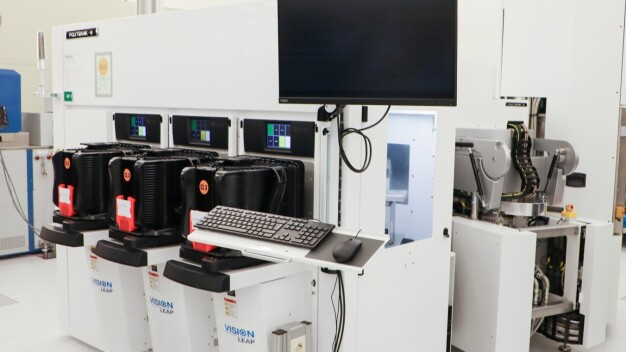
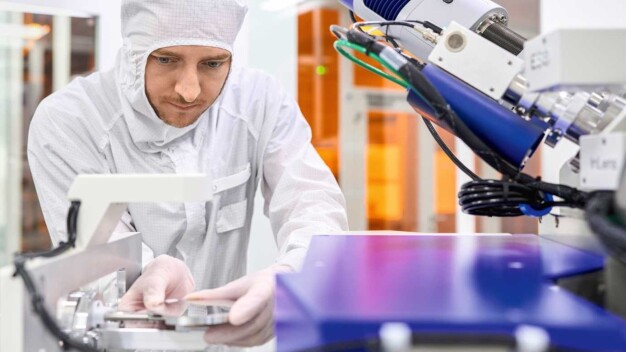
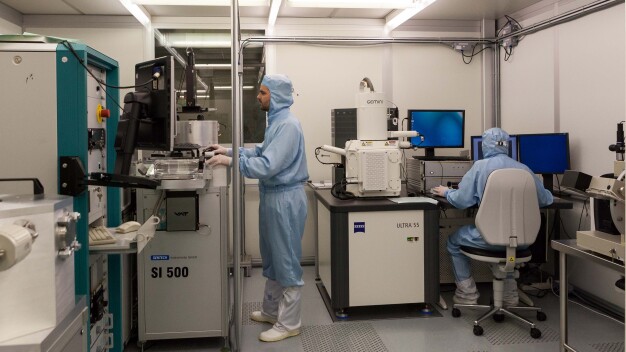
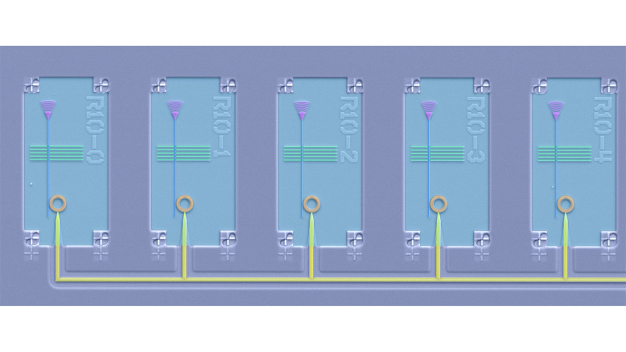
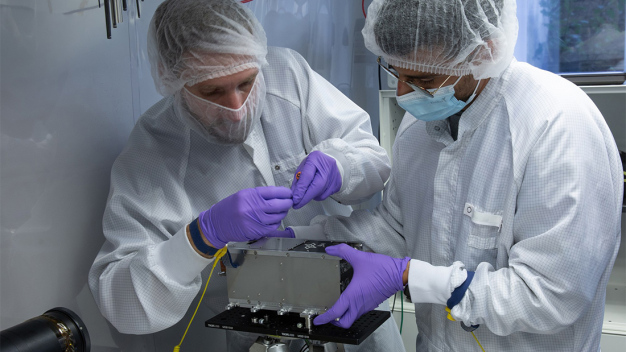
Plasma deposition system in the cleanroom of the Nanophotonics Center at TU Berlin. Electron microscopic image of so-called quantum circuits. They consist of microlasers (circular, orange), waveguides with integrated light sources for individual light particles – photons – (blue) and tap-off elements (purple). These complex nanostructures are being developed as part of the
  • Science

Plasma deposition system at the Center for Nanophotonics is being renovated with 490,000 euros

DFG funds sustainable modernization of the central research facility at TU Berlin

A central research facility of the Technical University of Berlin is being prepared for the coming decades: With support from the German Research Foundation (DFG) and the State of Berlin, the plasma etching system in the cleanroom of the Center for Nanophotonics is being extensively renovated with a…

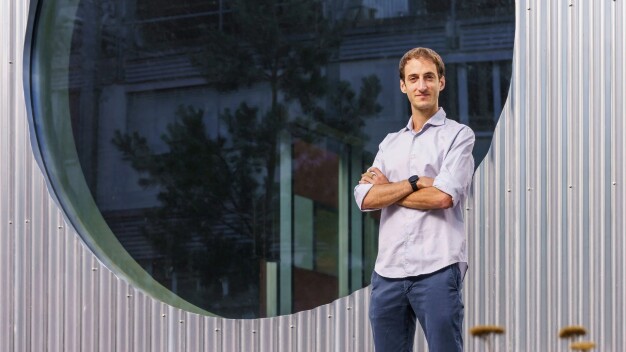
Giacomo Sala is an experimental physicist in the PSI Center for Neutron and Muon Science. For his project Q-GEOMSPIN, he has been awarded funding from the EU: a European Research Council (ERC) Starting Grant. © Paul Scherrer Institute PSI/Markus Fischer
  • Science

Giacomo Sala is combining two previously separate disciplines of physics: the established field of spintronics and the emerging field of quantum geometry. His Q-GEOMSPIN project at the Paul Scherrer Institute PSI could pave the way for more efficient data storage – and is now being funded with approximately CHF 2.2 million by the European Research Council (ERC).

Spintronics plus quantum: PSI researcher receives major grant

– PSI physicist Giacomo Sala receives approximately CHF 2.2 million from the European Research Council (ERC).
– In the Q-GEOMSPIN project, he is bringing together two research areas that up to now have largely been studied separately.
– This fundamental research could lead to more energy-efficient dat…

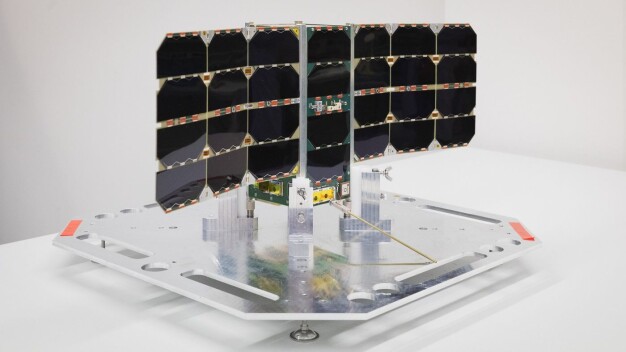
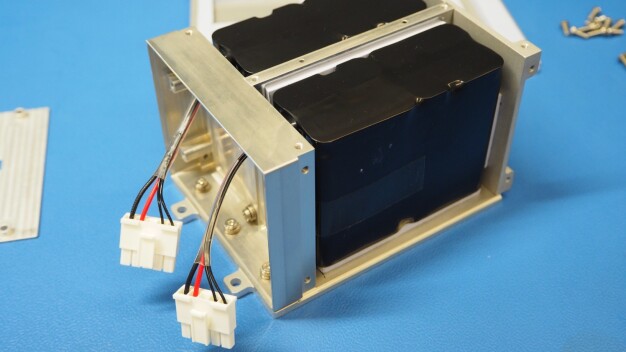
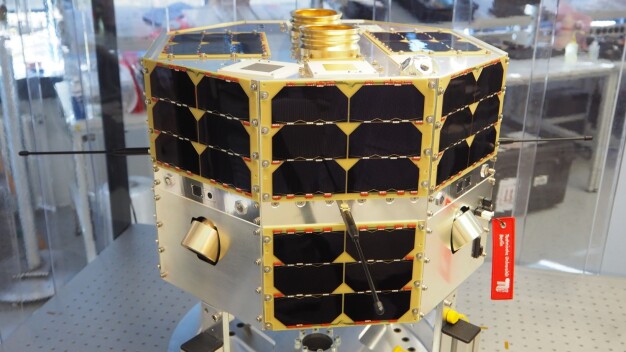
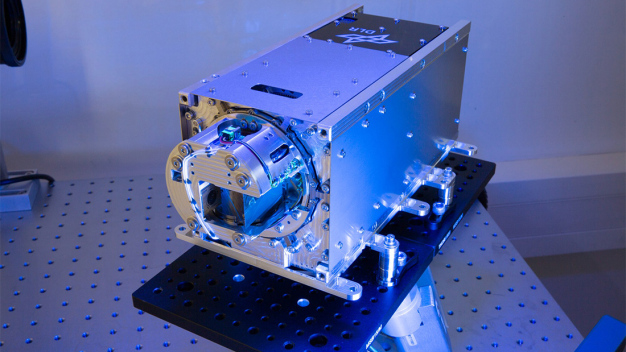
Satellites, like this small satellite from TU Berlin, are then dependent on batteries when they fly through Earth's shadow on their orbit and their solar cells cannot generate energy. At the heart of A focus of TU Berlin is on the battery management system, which monitors voltage, current, temperature, and state of charge of the cells, thereby ensuring safe operation in space. The development is based, among other things, on experiences from the successful TUBIN satellite mission. Here, the fully integrated TUBIN satellite can be seen in the laboratory of the Department of Aerospace Engineering.
  • Science

In the "SpaceBox" project, the Department of Aerospace Engineering at TU Berlin collaborates with Berlin industry partners to develop lighter and more efficient energy storage systems for satellites.

Energy for the orbit

Satellites rely on reliable energy storage: when they pass through Earth's shadow in their orbit, their solar cells cannot generate energy. Batteries bridge these phases and support operation even when onboard, temporarily, more power is needed than the solar cells can supply. In the research projec…

Better informed: With YEARBOOK, NEWSLETTER, NEWSFLASH, NEWSEXTRA and EXPERT DIRECTORY

Stay up to date and subscribe to our monthly eMail-NEWSLETTER and our NEWSFLASH and NEWSEXTRA. Get additional information about what is happening in the world of cleanrooms with our printed YEARBOOK. And find out who the cleanroom EXPERTS are with our directory.

Berner International GmbH ClearClean Hydroflex Systec & Solutions GmbH