



- Planning
- Translated with AI

Dirk Steil
Properly plan and build interior rooms – but how?
The biggest mistakes and how to avoid them
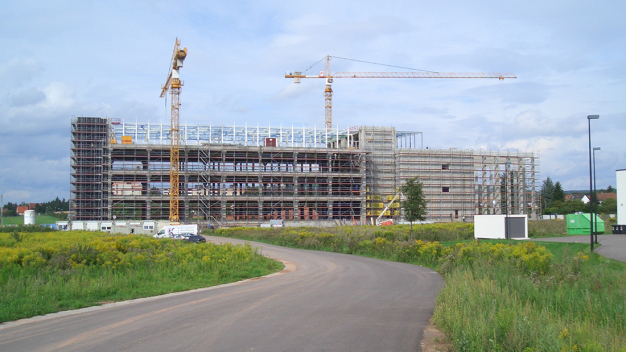
Fig 1: Whether on the green meadow or in the stock: good cleanroom planning is important.
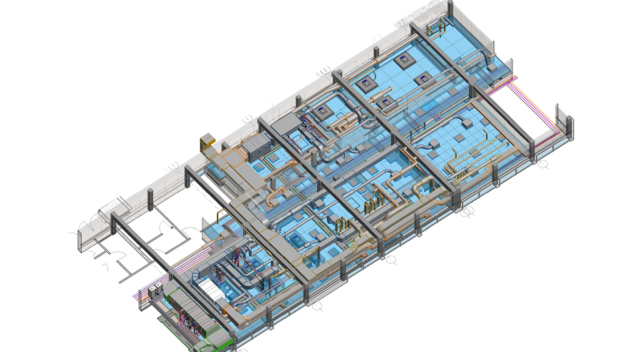
Fig. 2: A cleanroom has many interfaces with the building that need to be considered.
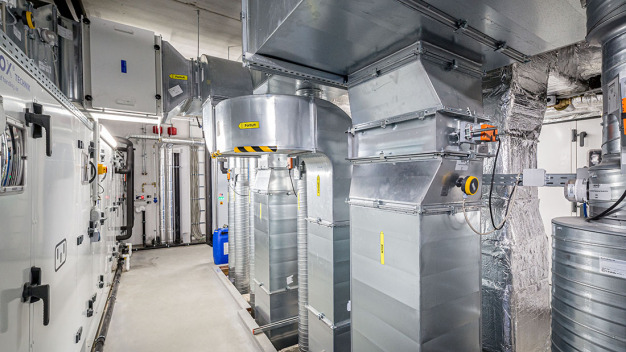
Fig. 3: reliable and energy-efficient technology – well planned, perfectly executed.
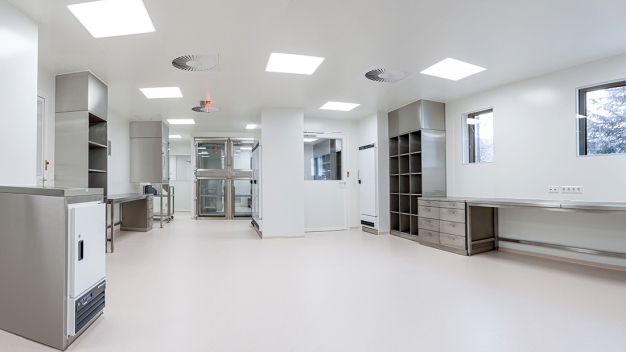
Fig. 4: Finished and qualified cleanroom – Production can begin.
Isn't a cleanroom just an oversized shoe box placed inside a building and filled with pure air? Basically: yes! And it is also good to approach things initially in a simplified manner, but - as so often in life - the devil is in the details. This article aims to show you that there are ways to do many things correctly from the start of the project and to avoid the most dangerous pitfalls in cleanroom construction. BECKER Cleanroom Technology has been designing and building cleanrooms for various industries and in different sizes and cleanroom classes for 25 years. Consulting, planning, construction, qualification, and 24/7 full service come from a single source, and we bring many valuable experiences that we are happy to share here.
Let's start with the building in which the cleanroom is to be installed. Many customers build on the so-called "greenfield," i.e., the building surrounding the cleanroom is newly constructed, and there are still opportunities to influence the design of the building and to consider and plan interfaces in advance. It becomes a bit more challenging with "building within an existing structure," i.e., the building and its infrastructure are already in place. Here, the first and, based on experience, also the most important "pitfall" is choosing the right building and location for the cleanroom. This decision often determines the success or failure of the project before it even starts. It can become even more problematic if the customer has already acquired or leased a building without consulting experienced cleanroom specialists to assess the feasibility of the cleanroom retrofit. A painful real-world example: the building has an unfavorable layout for production (e.g., long tubular shape), the floor heights are insufficient for technical installations above the ceiling of the cleanroom, or the existing hall ceiling cannot support the hanging loads for the cleanroom ceiling. Often, the existing electrical capacity or the building's heating capacity is also inadequate for the new use. Planning thus begins with compromises, execution may be impossible or take longer, and costs will inevitably increase. Therefore, the advice is: seek early advice from trusted experts regarding the feasibility when choosing the cleanroom location. We look at your building through our "cleanroom glasses."
Even before selecting the building, the development of the ideal production process is crucial, which should ensure operational safety, optimal logistics, and short distances for the customer over many years. Only from this can a possible cleanroom layout be derived, creating the ideal environmental conditions for this process. The principle is: as large as necessary, as small as possible, since a cleanroom represents significant costs not only in investment but also in ongoing operation. Future growth of the customer's business should also be factored into the floor plan and technology so that the cleanroom can "grow with" minimal effort. This task requires a high level of experience and, if executed ideally, can save the customer a lot of money.
Now that we have found a suitable building, considered the manufacturing processes, and developed an appropriate cleanroom layout, what is the next step? Now begins the actual work of the cleanroom engineers at BECKER Cleanroom Technology: defining the conditions inside the cleanrooms. In addition to the cleanroom classes, this includes requirements for temperature and humidity, their tolerance ranges, and pressure differentials between rooms. It is very important to decide what is absolutely necessary for the production process in the cleanroom and what is not. For example, whether regulated humidification of the rooms is required or not, as humidification can entail significant costs in construction and especially in operation. Tight tolerance ranges for temperature and humidity are technically feasible but, if not required by the process, can become an energy and cost trap.
In technical cleanroom planning, it is fundamentally important to incorporate a high degree of energy efficiency into cooling, ventilation, and control technology since the cleanroom runs 24/7. Low energy costs for the cleanroom ultimately have a positive impact on the manufacturing costs of the customer's product or, if neglected, can increase product costs. The operational reliability of the cleanrooms is often overlooked, and redundancies in technical systems are not considered. Result: the cleanroom fails, production halts, and re-qualification may be necessary — a nightmare for cleanroom operators. Through clever design and combination of technical units, the risk of failure can be significantly reduced at manageable costs.
On the customer's side, there are also several points to consider. It is essential to assemble a motivated project team appropriate to the project scope and to assign the relevant competencies and capacities from management. Typically, this includes production management and quality management, facility management, and an experienced architect. Approaching a cleanroom project as just an "add-on" to normal daily business rarely leads to the desired outcome.
A key step for project success is selecting the right cleanroom provider, who will implement the rooms construction-wise from the planning stage up to approval. Experience in ventilation technology, cooling, and control systems is particularly important here. Ask to see reference installations and speak with the operators. The cheapest option is rarely the best. The size and reputation of the provider also ensure a secure process through to project completion. An ideal combination — as with Becker Cleanroom Technology — is when planning and execution come from a single source, reducing interfaces and guaranteeing a faster, more successful implementation.
Last but not least, the final step is commissioning and acceptance. It is advisable to have the cleanroom measurements and the structural acceptance carried out by experienced professionals. Checklists help ensure that nothing is forgotten and that any existing deficiencies are identified, documented, and addressed promptly. Then, nothing stands in the way of a successful start of production in the new cleanroom.
This document is certainly not exhaustive, and there are many other points to consider, which we are happy to discuss with interested readers in a personal conversation.

BECKER Reinraumtechnik GmbH
Von-der-Heydt-Str. 21
66115 Saarbrücken
Germany
Phone: +49 681 753890
email: info@becker-reinraumtechnik.de
Internet: http://www.becker-reinraumtechnik.de