- Floor
- Translated with AI
Optimized composition and raw material selection reduce the carbon footprint and increase safety in application
Sika Germany switches production to epoxy resins with bio-based carbon content
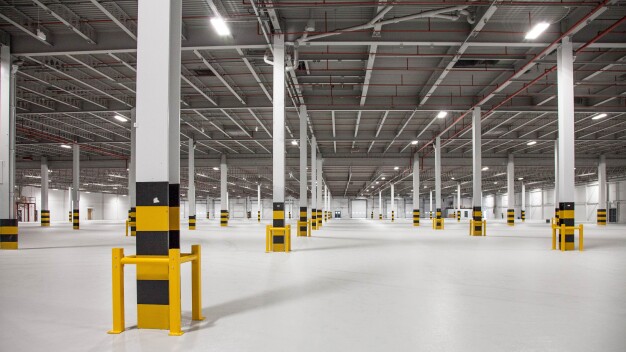
The production of Sika in Stuttgart now fully relies on epoxy resins with a bio-based carbon content. © Sika Group
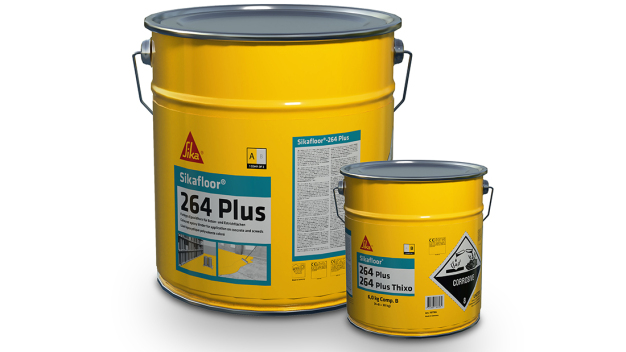
Sika will manufacture floor coatings in Stuttgart in the future using an epoxy resin that contains a biobased content of 28%, including the topcoat and sealant Sikafloor-264 Plus. © Sika Deutschland CH AG & Co KG
Sika Germany CH AG & Co KG is fully converting the production of floor coatings at its Stuttgart site to an epoxy resin with a bio-based carbon content. These high-performance materials reduce the carbon footprint and decrease dependence on fossil resources. The primer Sikafloor‑150 Plus, as well as the topcoat and sealant Sikafloor‑264 Plus, already utilize the improved formulation. Delivery is in tinplate hobbocks made from bluemint Steel.
Sika's improved epoxy resin product portfolio is not only more sustainable than fossil alternatives but also safer for users. Through targeted product optimization and the use of innovative materials, it offers a high level of reliability.
Modern raw material solution for selected products
Traditionally, the construction industry has relied heavily on fossil-based epoxy resins. Sika is now deliberately transitioning to alternatives with bio-based epichlorohydrin (EPI) as a starting material. The bio-based glycerin used in epichlorohydrin synthesis is a byproduct of biodiesel production and is obtained, for example, from vegetable oils or used fats. The resulting resin contains a biogenic carbon content of 28%, which has been verified by external testing laboratories according to standards DIN EN 16640 / ASTM Test Method D6866. This switch offers top performance, reduces dependence on fossil resources, and actively contributes to the goal of CO2 reduction.
Sustainability starts with the material – packaging made from secondary steel
Sika collaborates with packaging manufacturer Muhr & Söhne GmbH & Co. KG and thyssenkrupp Rasselstein GmbH, using tinplate hobbocks made from bluemint Steel. Unlike traditional tinplate containers, bluemint Steel packaging uses secondary steel in production. Additionally, packaging steel with a recycling rate of around 82% is among the most recycled packaging materials in Europe. Compared to conventional packaging materials, hobbocks made from bluemint Steel not only emit fewer greenhouse gases and promote circularity but also maintain the same quality with identical packaging properties and at the same price.
Sika commits to Net Zero
Sika has committed to Net Zero by 2050 in accordance with the Science Based Targets initiative (SBTi). The company is implementing measures across all areas: from decarbonizing manufacturing plants and electrifying the vehicle fleet to utilizing renewable energy for electricity supply. However, products are the greatest lever. The focus here is on increasing material efficiency, circular economy practices, and the expanded use of alternative, low-emission materials such as recycled materials and bio-based raw materials.
Sustainability Portfolio Management (SPM)
As the first company in the specialty chemicals and building materials sector, Sika assesses and classifies its products using its own Sustainability Portfolio Management (SPM) approach. SPM is a strategic evaluation tool for more sustainable product development. Based on the Portfolio Sustainability Assessment approach of the World Business Council for Sustainable Development (WBCSD), Sika systematically evaluates newly developed products for performance and sustainability. The standardized, four-stage evaluation process enables informed decisions and clear prioritization in product development. The new epoxy resin products have also undergone this process. More information about SPM can be found at www.sika.de/nachhaltigkeit.

Sika Deutschland CH AG & Co KG
Kornwestheimer Straße 103-107
70439 Stuttgart
Germany
Phone: +49 172 4565531
email: kelling.fadime@de.sika.com
Internet: http://www.sika.de