



- Translated with AI
Johann Bacik, District General Manager Honeywell Building Solutions Österreich
Optimization potentials in lock control in GMP cleanrooms
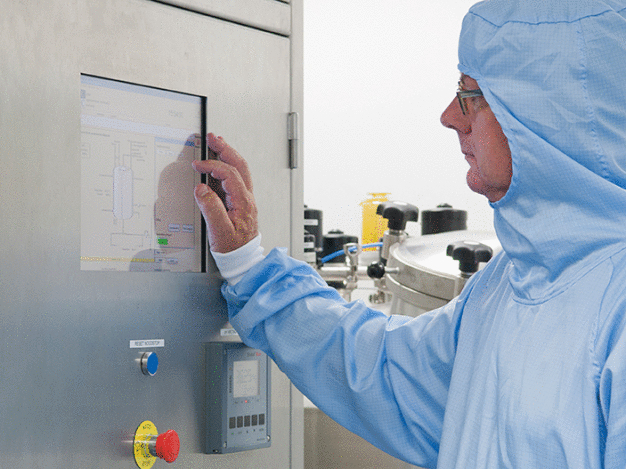
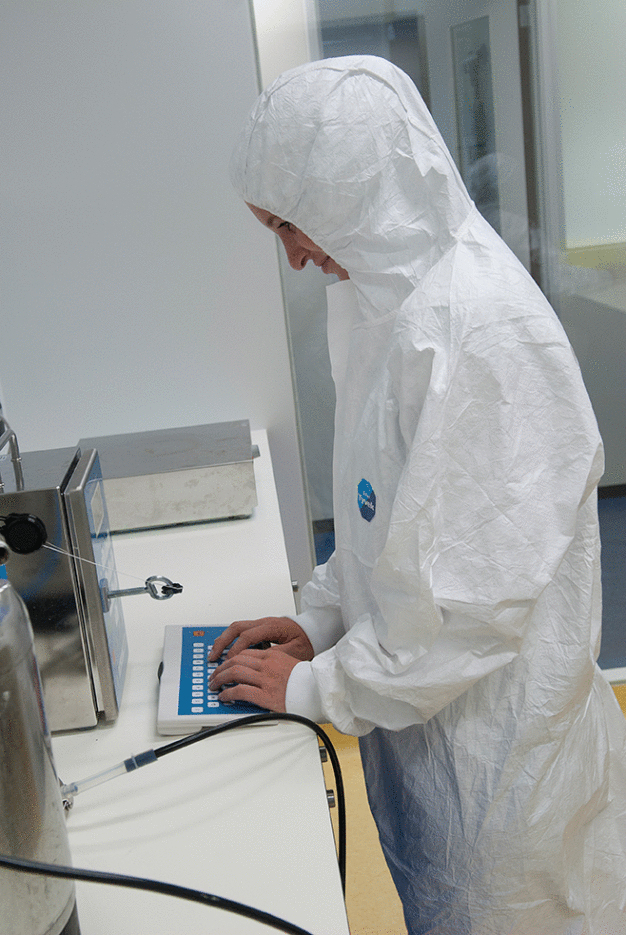
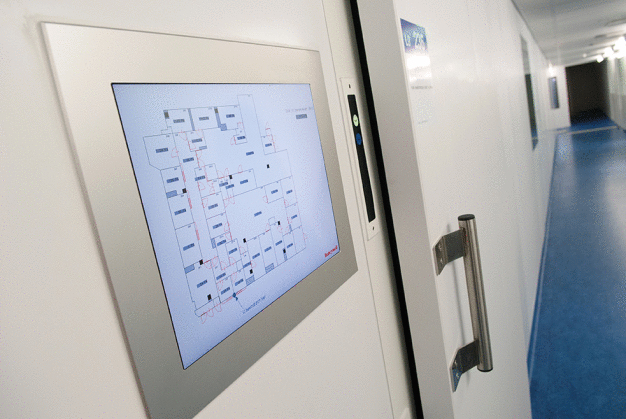
Constructing a cleanroom facility according to recognized technical standards no longer presents significant challenges for the involved planners, builders, and operators. However, it still remains a major challenge for those involved to design such facilities with the aim of achieving optimal, efficient operation. Efficient operation specifically encompasses both the aspects of the time effort required for operation and system maintenance by the operating personnel, as well as cross-trade synergy effects that arise from intelligent networking of the cleanroom technical systems. These can positively impact various technical areas of the cleanroom, such as air treatment, pressure, temperature, and humidity control, or energy consumption. The following article will focus primarily on the topic of door control and the associated optimization potentials.
Intelligent door control can already make a significant difference
Efficiency improvements in operational processes can already be achieved in cleanrooms, for example, by optimizing only the duration of entry and exit procedures. There is enormous potential for optimization here through the networking of door automation with the controls and regulation systems of ventilation units as well as local signaling components. An integrated system allows for minimal time delays, where on the one hand, the regulation function of the ventilation adjusts depending on the door status, and on the other hand, the locking of the sluice doors is based on the actual environmental conditions. The constant compliance with GMP process requirements is of course assumed. With this solution, the required room pressure conditions are quickly restored after a door is opened, and access is only granted under truly safe conditions, thus preventing the risk of contamination of a clean area through cross-contamination. Traditionally, such door controls are often implemented independently and only as time controls. However, this either leads to an excessively long waiting time in front of the closed door or to door release before the proper pressure conditions in the sluice or between different cleanroom zones have stabilized.
Maximum door open times and clear door status signaling
Another dimension of efficiency enhancement is the provision of maximum door open times, so that when a pre-alarm threshold is exceeded, an acoustic warning is triggered. This prevents many unwanted alarms that occur out of negligence but then lead to a logged alarm that must be documented. Not to mention the risk that contamination can no longer be ruled out, which in turn results in increased time expenditure for operating personnel and potential downtime of the cleanroom systems for production.
Clear signaling of door statuses is another measure to increase efficiency. Operating personnel receive precise information about whether the door is currently locked or still open—and ideally also why the respective state exists. This not only spares the nerves of employees but also prolongs the lifespan of the door openers themselves, which would otherwise need to be replaced prematurely if these conditions are not observed.
Reduce cross-ventilation when alternatives exist
In addition to optimizing the sluice process itself, it is also sensible to consider measures to reduce the need for sluice pre-steps. An example of this is the consistent avoidance of sensors that do not necessarily need to be installed inside the cleanroom, along with the maintenance associated with these sensors. The focus here is primarily on sensors for GMP-critical parameters such as temperature, humidity, and pressure. For temperature and humidity, the exhaust air measurement in the ventilation duct is usually well suited due to high air exchange rates. Pressure can be measured with externally positioned pressure transmitters via a hose connection within the room.
The advantages, clearly evident for both sides, are straightforward. Externally positioned sensors can be maintained and calibrated more easily and with less effort by service personnel. Service technicians do not need to enter the GMP-classified cleanroom production area, saving time and money—such as during maintenance of the ventilation systems for cleanrooms—and reducing the risk of contamination. Ultimately, the less traffic in sluices and cleanrooms, the fewer sources of contamination. Additionally, sensors are not directly exposed to disinfectants, which positively impacts their lifespan.
Placing sensors externally even offers an additional benefit for cleanroom planning, which can improve efficiency and reduce costs. Their placement does not require interference with the coordination and design of the cleanroom walls, nor does it require the setup situation to be fully clarified early in the project phase.
Networked planning is crucial
Often discussed but rarely implemented in practice: the scope and success of optimization depend, of course, on the intelligent linking of the involved and relevant technical trades and components, such as the overall electrical supply, monitoring, pressure, temperature, and humidity controls, particle counting systems, sound systems, or building automation technology. Regardless of which specific area of the cleanroom is being planned, understanding all these aspects—including GMP compliance—requires involving all relevant trades and their responsible parties early in the planning phase and aligning their requirements. In professional circles, this is often referred to as networked planning. The integrative approach involves close networking of all participating disciplines and the intelligent linking of individual systems and applications. Looking ahead, planning must not only address technical requirements but also incorporate efficiency considerations.
Conclusion
By making some preliminary considerations during planning and utilizing potential synergies, significant efficiency gains can already be achieved in the area of sluicing in cleanrooms. This is just one of many areas with high optimization potential. The key factor is an integrated planning approach and networking of individual technical components within the cleanroom. This factor largely determines the personnel effort required to operate such a system.
Honeywell Building Solutions GmbH
63067 Offenbach
Germany