

- Planning
- Translated with AI
Benedikt Sticht
Cleanroom construction is the king's discipline of industrial construction
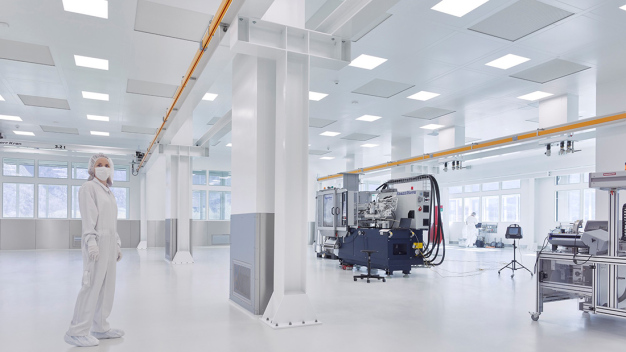
IE Group – Cleanroom in record time during ongoing operation for Weidmann
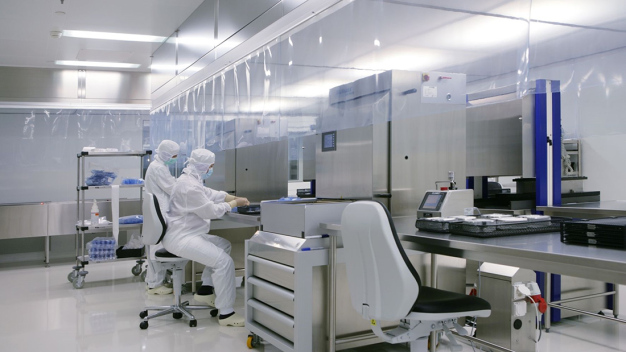
Cleanroom planning and ventilation concept for the production of medical technology for Stryker
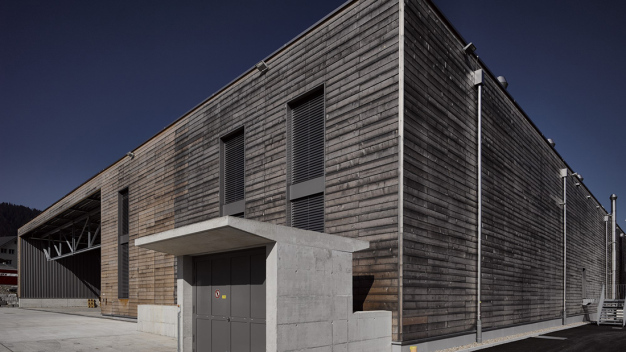
Comprehensive planning including holistic construction, operational, and logistics planning for B. Braun Medical
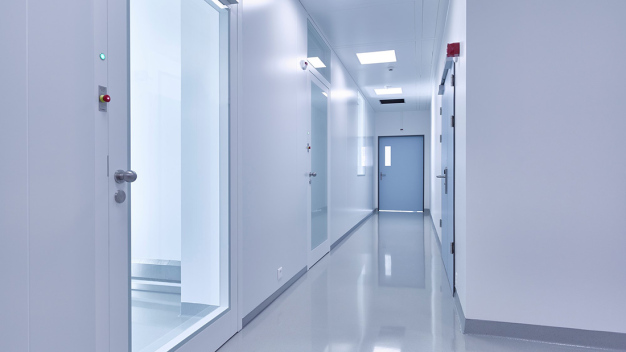
General planning of a new industrial building including various cleanroom systems for Geistlich
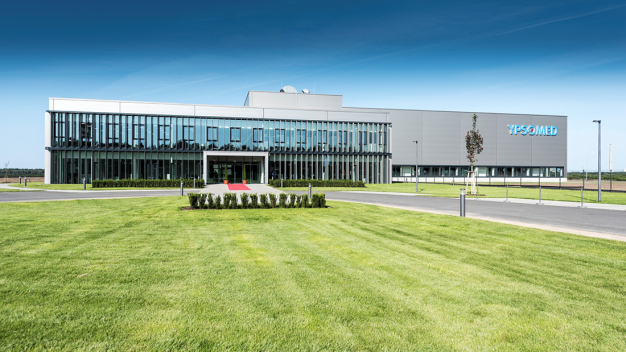
IE Group – Masterplan and New Construction of Production Facility for Ypsomed
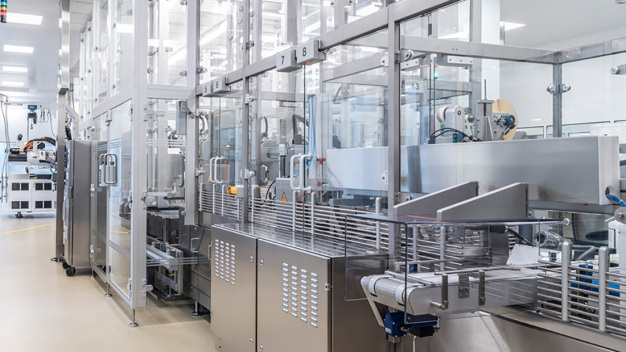
IE Group – Doubling of cleanroom production for SCHOTT
In industrial construction, increasing requirements and strict adherence to hygiene standards pose significant challenges for cleanroom construction. Especially in the plastics and pharmaceutical industries, production areas are subject to strict hygiene regulations. For industrial construction specialists, it is therefore important to develop innovative and intelligent solutions for sensitive production areas with comprehensive hygiene and zoning concepts for germ-free cleanrooms.
The cleanroom is not an island - high demands on the planner
In many companies, production processes within the cleanroom are viewed as an isolated entity rather than part of an integrated system. In reality, during the planning of production infrastructure, the connection and interdependence between process, space, and people are often given too little attention. This not only makes it more difficult to meet the high requirements for product safety but is also questionable from an economic perspective. Because a one-sided view will undoubtedly lead to follow-up costs later on. The fact is: those who focus solely on the actual production process and exclude other equally relevant aspects such as workplace design, cleanroom concept, and compliance will sooner or later fall into the cost trap. And not only that: the assurance of product safety is also at risk. No one will dispute that the process environment is a key factor influencing product quality.
Typically, the actual machine-related production processes in cleanrooms are comprehensively described and validated as being "robust." In this area, improvement opportunities are more obvious and often exhausted. Considerable potential for optimization to increase operational efficiency can be unlocked by integrating processes and equipment into a holistic factory concept. This ideally considers the entire value chain, from raw material delivery to the shipping of finished products.
Companies that pursue a holistic approach to planning production infrastructure with cleanroom zones from the outset establish a solid long-term foundation for their business and thereby strengthen their competitiveness. What does this mean for the factory planner? Primarily, they must thoroughly understand the production logic of the respective company and familiarize themselves with the company's specific production processes. In addition to industry knowledge, they must possess comprehensive cleanroom and process expertise in all facets. Finally, they must recognize the dependencies between the space concept, personnel and material logistics, support processes, and machine-related production processes within the cleanroom and base their planning work on this understanding. If successful, the cleanroom is liberated from its isolated existence. An integrated solution emerges that guarantees product safety, efficiency, and long-term protection of investments in production infrastructure.
Holistic logistics planning pays off
In highly competitive markets, efficient logistics processes can be the decisive competitive advantage. The real efficiency potential often lies in perfectly coordinated goods and personnel flows and a well-thought-out logistics concept. To increase logistics efficiency, a holistic view and interdisciplinary networking are essential for process optimization.
Logistics planning, operational planning, and construction planning must work targeted and interconnected with architects, civil engineers, equipment suppliers, and authorities. Only when all requirements are optimally integrated can an optimal overall package be developed.
Particularly, compliance with relevant GMP and GDP regulations is one of the most demanding logistics tasks, faced not only by plastics manufacturers but also by pharmaceutical companies, wholesalers, and their suppliers. And increasingly, manual and automated intralogistics, including warehousing, prove to be a crucial factor in reliably meeting all requirements.
Why plan and build with IE Plast?
As a general planner and general contractor, the IE Group supports clients from investment ideas to turnkey handover. As industry experts, they take on the holistic planning and realization of cleanrooms, providing the complete package from a single source. To fully unlock potential, IE Plast also develops customized production plants and cleanrooms tailored to the company. Here, products, manufacturing processes, and needs are placed at the center—always with the goal of achieving maximum efficiency and economic viability.

IE Plast
Ein Bereich der IE Industrial Engineering München GmbH
Paul-Gerhardt-Allee 48
81245 München
Germany
Phone: +49 89 82993974
email: b.sticht@ie-group.com
Internet: https://ie-group.com/