



- Translated with AI
Workplace safety at the highest level
New generation of safety workbenches
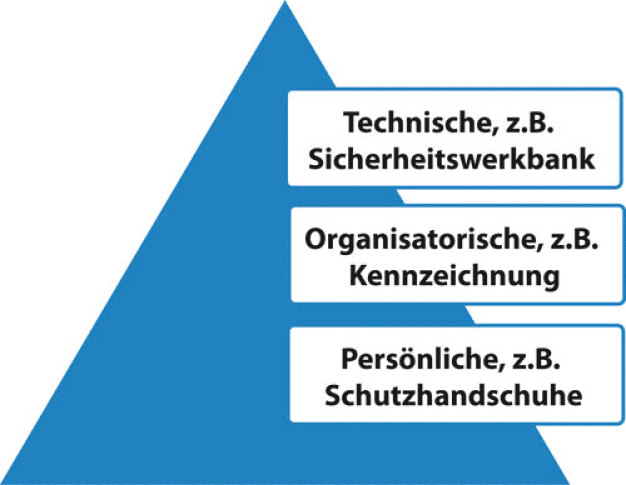
Fig. 1: TOP protection measures principle
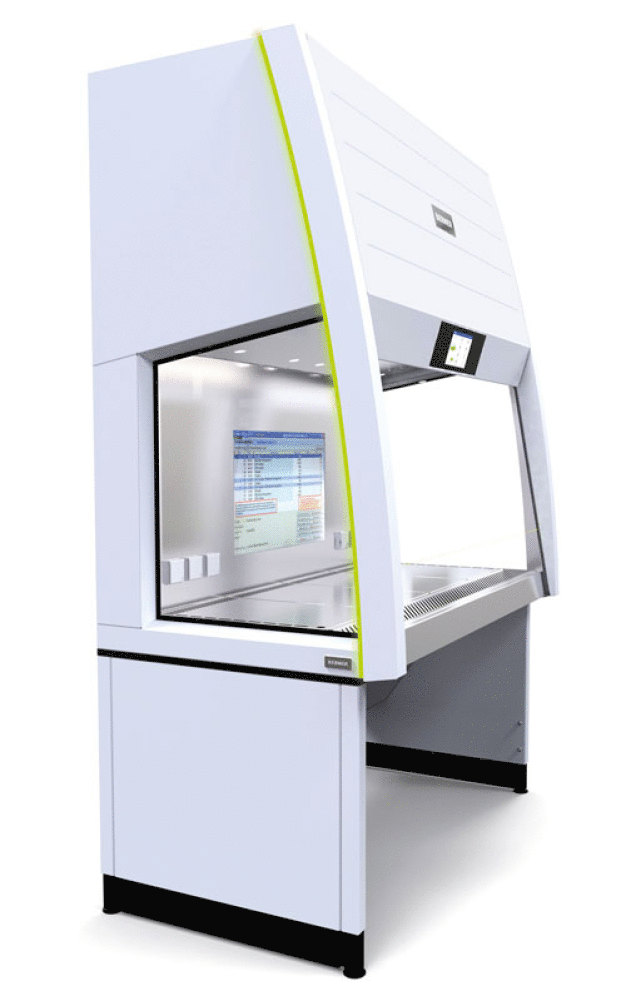
Fig. 2: Claire - clear formal language and 'Protection-Shield'
Fig. 3: reddot - renowned quality seal for high design quality
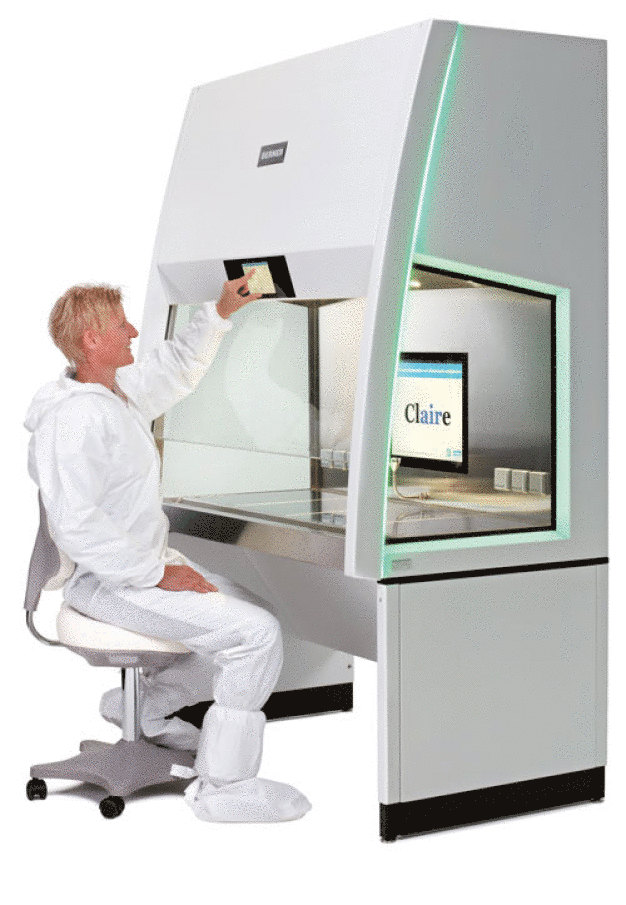
Fig. 4: Easy to reach and recognize - the touch display
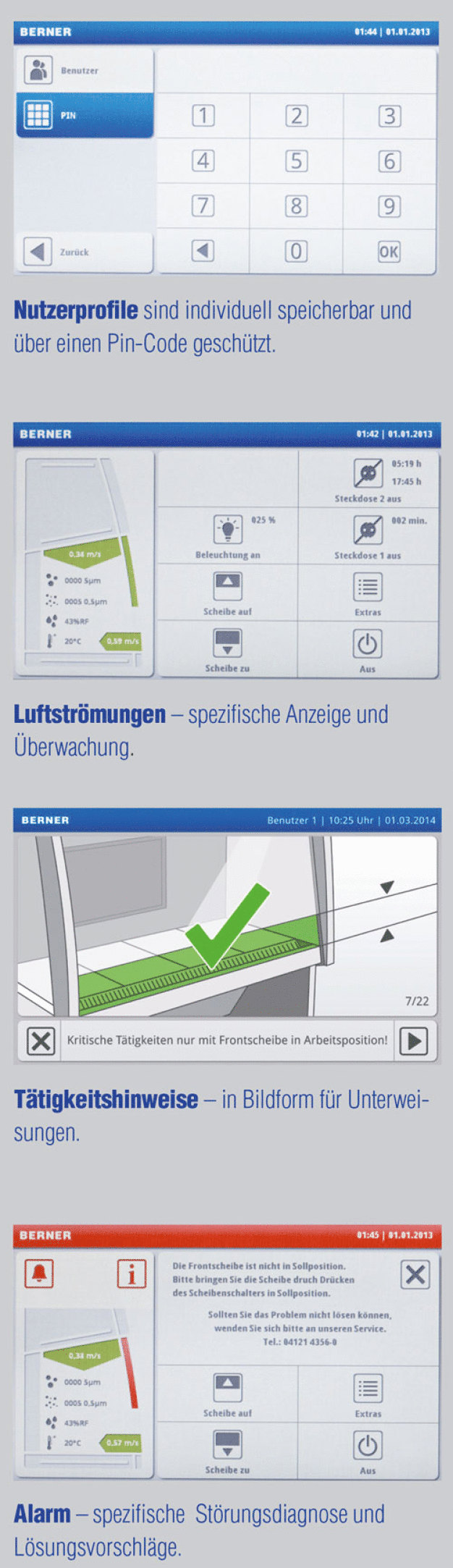
Fig. 5: Examples of touch display indicators
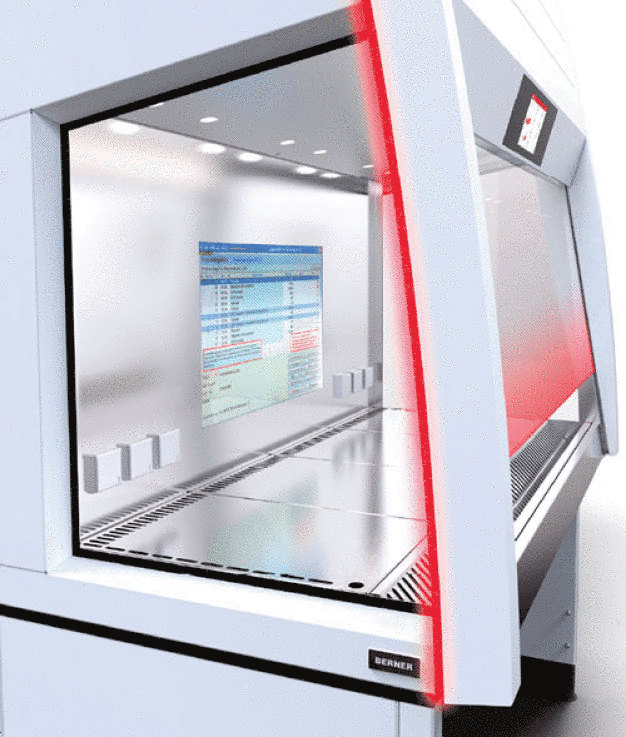
Fig. 6: Side LED light strip and illuminated bottom edge of the window indicate the uncertain operating state
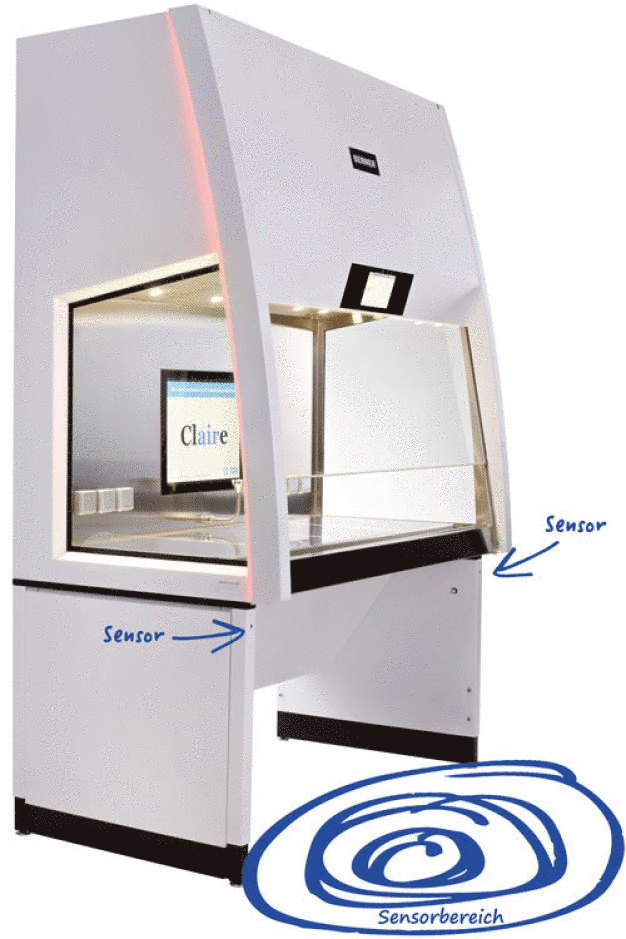
Fig. 7: Innovative sensor technology detects disturbances caused by people moving too quickly in the vicinity of the safety workbench
In the field of laboratory equipment for personal and product protection, a completely new generation of safety cabinets has entered the market, setting new standards. The new devices named "Claire" were recently showcased at Analytica in Munich, the leading trade fair for laboratory technology, analytics, and biotechnology.
Safety cabinets are used whenever personnel and/or product protection is required in laboratories when handling bio- or hazardous substances. The technically not entirely correct but commonly used terms are LAF (Laminar Air Flow), sterilization cabinet, workbench, or "new German" Bench. It is important to distinguish microbiological safety cabinets according to DIN EN 12469 and safety cabinets for cytostatics according to DIN 12980. [1-2] In many laboratories, safety cabinets are the central technical instrument for protecting employees and the product or process.
The protective measures to be taken within the framework of the so-called hazard assessment must be based on the general principles of § 4 of the Occupational Safety and Health Act. The so-called "TOP principle" (see Fig. 1) serves as the basis, according to which hazards for employees must always be eliminated or neutralized directly at the source. If this alone is not effective, additional organizational and personal measures must be carried out in the order shown from top to bottom. All occupational safety measures must be regularly checked and adapted to the current state of technology. [3-6]
Quality
The owner-managed medium-sized company based in Elmshorn near Hamburg has claimed for over three decades to produce premium products. An essential prerequisite according to Berner International is that the products are "Made in Germany".
What once was introduced by Great Britain at the end of the 19th century as a designation of origin to protect against cheap imports is now considered a quality seal that worldwide stands for quality, reliability, and innovative technology. There are different definitions of what "Made in Germany" means and which products can claim the label. [7] A high degree of value creation of at least 70% is one of them. This generally means that processes influencing quality significantly must take place in Germany. These include primarily research, development, and ultimately production. Safety-relevant and quality-determining components should come from Germany in a global procurement market.
Design
Already with the extraordinary "Shield Design," a clear difference from previous safety cabinets can be seen (see Fig. 2). The slim and compact design combined with high-quality materials suggests that the engineers and industrial designers of the German premium provider Berner International had far more than mere functionality in mind during development. Side functional LED light strips and an intelligently illuminated lower edge of the glass within the user's field of view continuously inform via their color coding about the current operating state. A highlight is the harmoniously and ergonomically integrated touch display. With simple, self-explanatory menu navigation, high-quality pictograms, and a minimalist design, operation is extremely user-friendly.
The design earned the BERNER Claire the coveted Red Dot Design Award (see Fig. 3), awarded for the first time to a safety cabinet. According to www.red-dot.de, the Red Dot Design Award is a renowned accolade for high design quality. The internationally composed jury exclusively awards products that stand out through their excellent design compared to similar models.
Touch Display
An additional innovation is the central display and control unit for the user—the display. In the era of smartphones and tablets with touch-sensitive surfaces, a 7" TFT display with LED backlighting enables intuitive and user-friendly operation of the safety cabinet. The centrally located display (see Fig. 4-5), clearly visible from both sitting and standing positions, shows numerous information about the status of the safety cabinet at a glance. Data such as airflow velocities, temperature, and humidity are continuously displayed in large, easily understandable graphics.
Continuous particle monitoring for the supervision of sensitive processes under GMP conditions can be integrated, and data from an external particle counter can be displayed directly on the screen.
Users can create their own profiles, assign names, and optionally protect them with a PIN code. The possibilities for customization are numerous. Besides choosing different languages, individual sockets can be turned on or off, often with a timer and clock function.
A user-friendly menu guidance has been combined with numerous self-explanatory pictograms. According to the manufacturer, over 400 different pictograms have been designed to depict the various functions of the safety cabinet and ensure intuitive operation. If a malfunction occurs, the display clearly indicates the source of the error and provides troubleshooting hints. If the problem cannot be resolved, an embedded service hotline is available for assistance.
Extensive activity instructions in visual form are an ideal support for training and requalification of staff directly at the safety cabinet. These include, for example, indications of safe/unsafe operation, important notes such as not covering intake and exhaust openings, or the importance of regular and proper cleaning and disinfection of the workspace.
Many of these features facilitate handling of Claire and help prevent errors, according to the company's impression.
Safety
The most important feature of any safety cabinet is the protection of users and the product. According to the manufacturer, proven technologies from over 30 years of experience in the development and production of safety cabinets have been combined with new solutions from research. Berner International is particularly proud to have been testing devices since 2002 using the world's most widely used microbiological testing method for verifying protective functions according to DIN 12980, DIN EN 12469, and NSF 49 as part of research and development. [8] Combined with results from various research projects funded by the Federal Ministry for Economic Affairs and Technology, the protective functions can be guaranteed even under extreme conditions and when integrating large equipment or special solutions.
For example, the Performance Envelope Test (PET) has shown that safety cabinets from Berner International exhibit a wide range of performance capabilities of the protective functions. The protective functions were verified at 42 different operating points with variations in airflow conditions. [9]
New and striking are the side LED light strips and the intelligently illuminated lower edges of the glass within the user's view (see Fig. 6). The safety cabinet informs the user via color coding about the current operating state. This proactive system warns significantly earlier and more clearly of an unsafe operating condition than conventional monitoring systems.
Sensor Technology
The results of another research project demonstrate that rapid movements of persons in the vicinity of the safety cabinet can lead to disruptions of the protective functions. [10] For this reason, the BERNER Claire features a patented sensor system that detects such interference and triggers a warning on the LED light strips and in the display (see Fig. 7).
Two special infrared sensors, each consisting of 64 individual sensors, detect standing and moving persons within a defined detection area in front of the safety cabinet. The sensors perceive the direction and speed of persons and evaluate the results immediately. Such a proactive system is pioneering and currently unique on the market.
In summary, it can be said that the engineers at Berner International have created a masterpiece that sets new standards. The fact that this quality "Made in Germany" excites is evidenced, among other things, by the fact that the safety cabinet Claire has won the Red Dot Design Award. An award that was awarded for the very first time to a safety cabinet. The most renowned international accolade for high design quality.
In a soon-to-follow second part on the topic of safety cabinets, topics such as energy efficiency, safe waste transfer, new filter technology, and important structural features will be discussed.
References
[1] DIN EN 12469, Biotechnology – Performance criteria for microbiological safety cabinets, Beuth Verlag GmbH, Berlin, 09.2000.
[2] DIN 12980, Laboratory equipment – Safety cabinets for cytostatics, Beuth Verlag GmbH, Berlin, 06.2005.
[3] Act on the implementation of measures for occupational safety to improve the safety and health protection of employees at work, Federal Ministry of Justice and Consumer Protection, Berlin.
[4] BGV A1 "Accident prevention regulation - Principles of prevention", BG regulation, German Statutory Accident Insurance, 01.2009.
[5] Biological Substances Ordinance (BioStoffV), Federal Ministry of Justice and Consumer Protection, Berlin.
[6] Ordinance on the protection against hazardous substances (Hazardous Substances Ordinance – GefStoffV), Federal Ministry of Justice and Consumer Protection, Berlin.
[7] Wikipedia, Keyword "Made in Germany", www.de.wikipedia.org.
[8] NSF/ANSI 49, Biosafety Cabinetry: Design, Construction, Performance and Field Certification, NSF International Standard / American National Standard, Ann Arbor, Michigan, USA, 2008.
[9] Christiansen, Gragert, Hinrichs, Karpinska, Performance limits of safety cabinets, Oncology Pharmacy, 01.2010.
[10] Gragert, Harder, Hinrichs, Kandem Medom, Dynamic disturbance factors and their influence on the protective function of safety cabinets, Oncology Pharmacy, 01.2013.

Berner International GmbH
Werner-von-Siemens-Straße 19
25337 Elmshorn
Germany
Phone: +49 4121 43560
Fax: +49 4121 435620
email: info@berner-safety.de
Internet: https://www.berner-safety.de



