- Translated with AI
Herausgeber: Freudenberg Filtration Technologies SE & Co. KG
Closer to reality
With the new ISO 16890 for the optimal filter solution
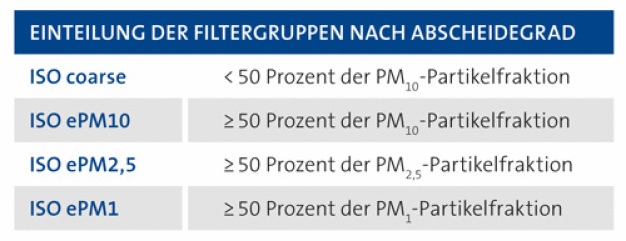
Table 1
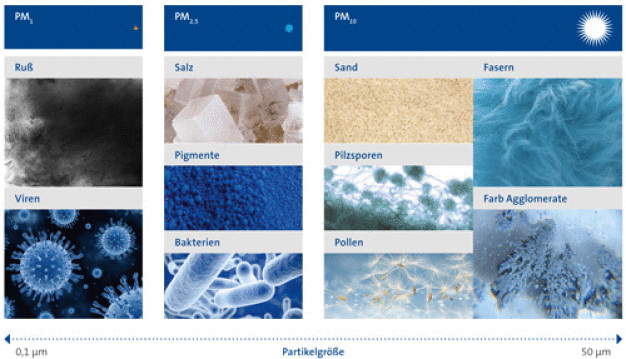
Example particles and particle sizes
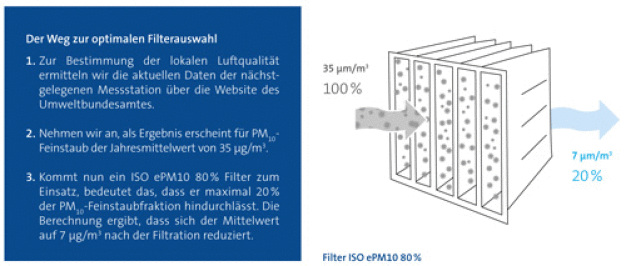
The path to optimal filter selection
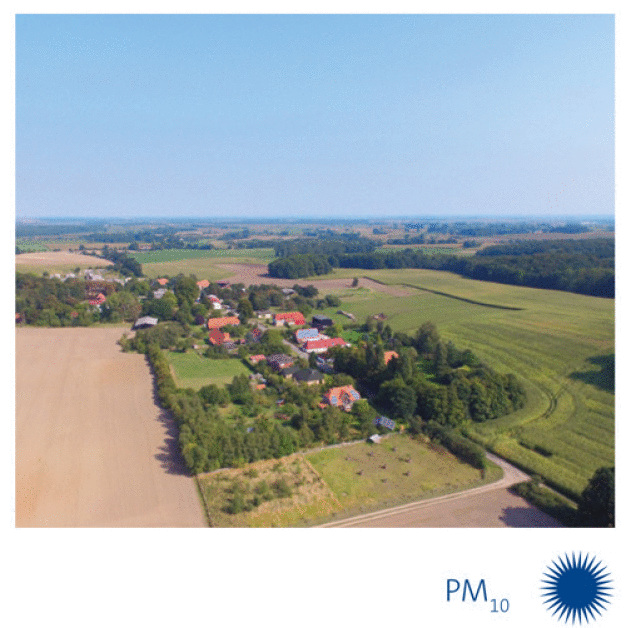
Rural areas
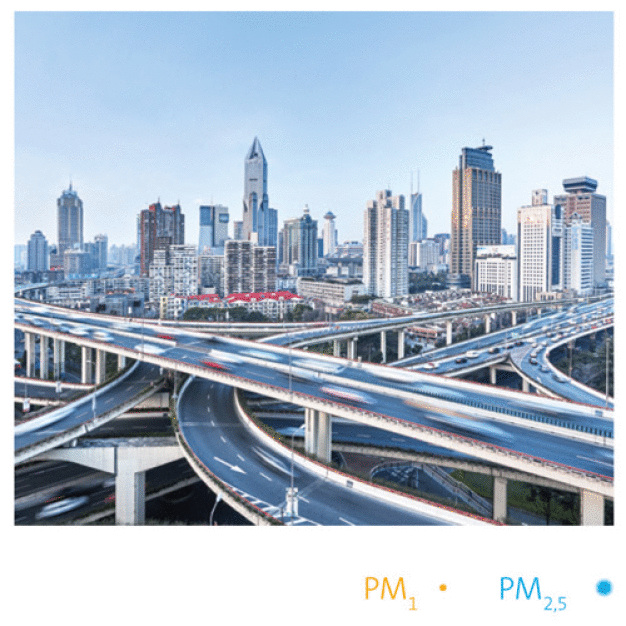
Urban regions
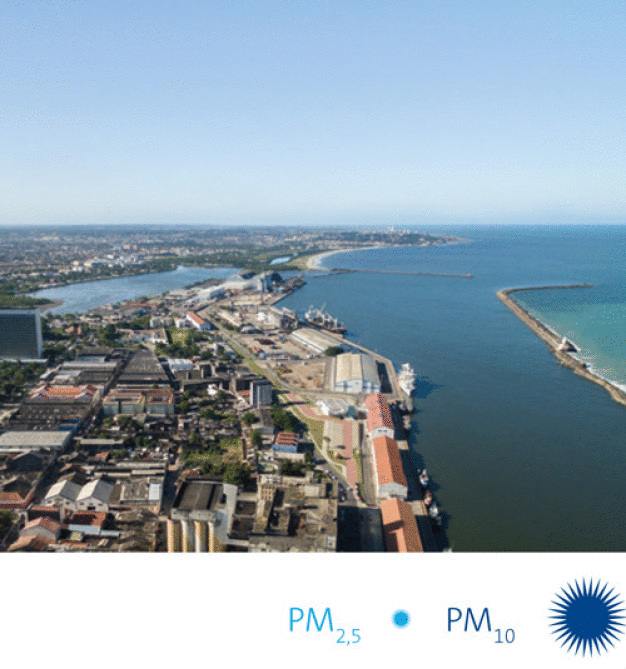
Coastal areas
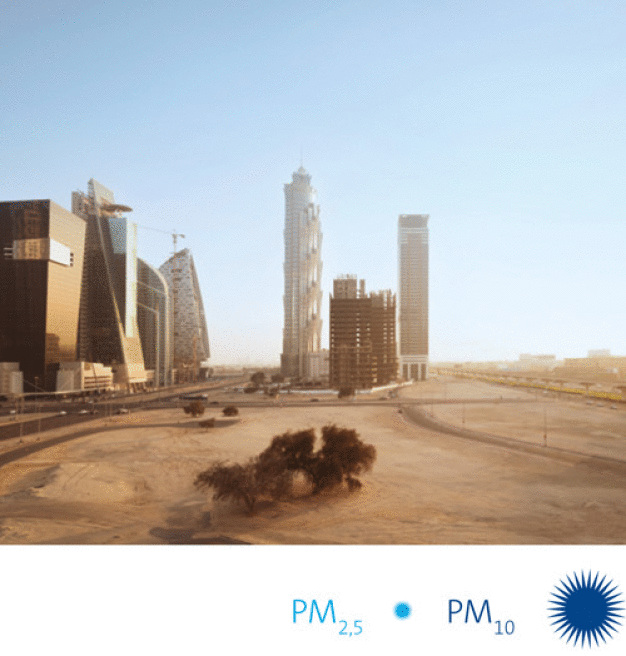
Desert-adjacent regions

Table 2
Gas turbines and compressors

Surface Technology
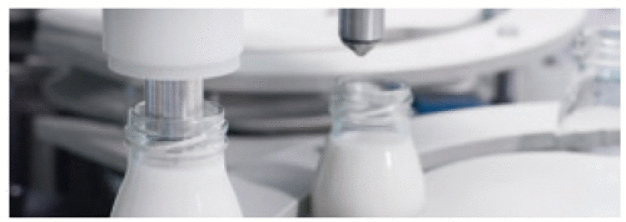
Beverages and Food
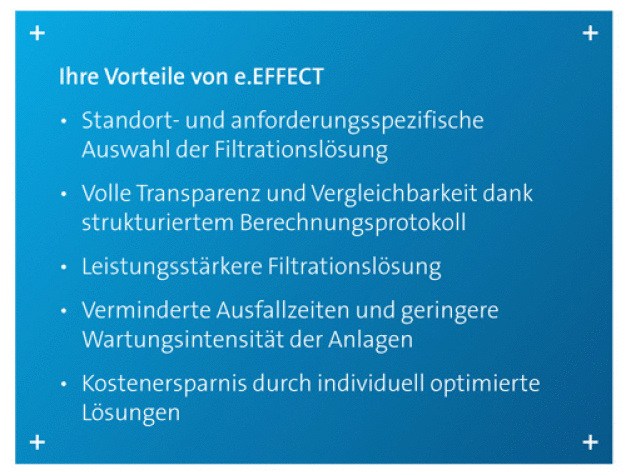
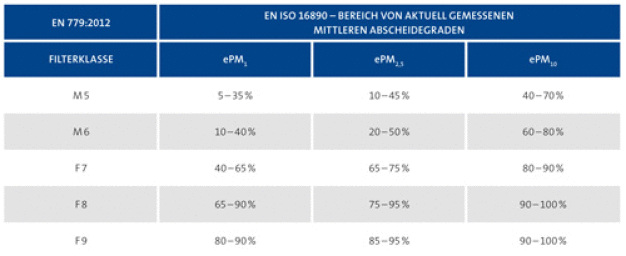
Table 3

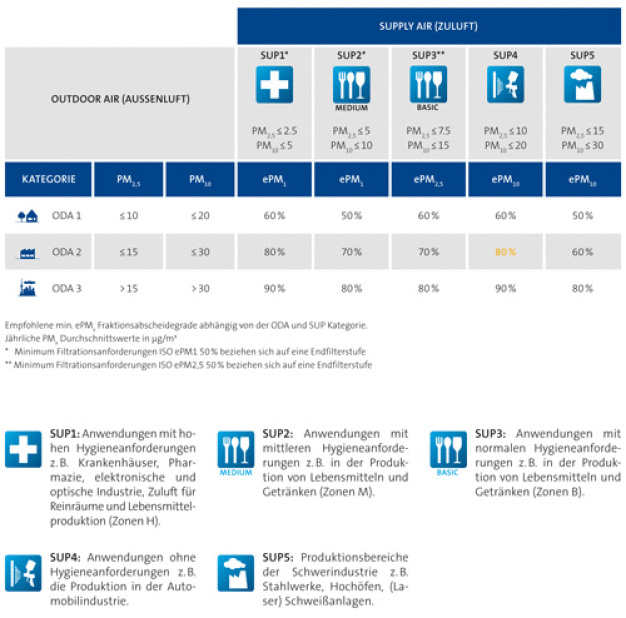
Table 4
Since January 2017, the testing standard ISO 16890 for the classification of air filters has been valid and since August also as DIN EN ISO 16890:2017. Since mid-2018, it has fully replaced the previous industrial standard EN 779 . The advantage of ISO 16890: The filter separation efficiencies are determined in a way that closely reflects reality based on the four dust categories PM1, PM2.5, PM10, and coarse dust. This makes selecting the best filter for your individual requirements significantly easier.
EN 779 does not hold up to reality
According to the norm EN 779, the separation performance of air filters is evaluated using a synthetic laboratory test dust (ASHRAE dust) only for particle sizes of 0.4 micrometers (μm). However, the particle spectrum in outdoor air is much broader. As a result, a large portion of the dangerous fine dust particles is not considered within the measurement method. Another criticism: under laboratory test conditions, filters achieve a higher efficiency with increasing dust loading. In practice, however, the separation efficiency of a filter against atmospheric dust remains constant or even slightly decreases. Conclusion: The performance measured according to EN 779 does not reflect the actual filter behavior. Additionally, the test standard does not specify how strongly different particle spectra are separated.
ISO 16890: Greater transparency and practical relevance
The testing procedure according to ISO 16890 is much more detailed than EN 779 and is based on the local air quality of the respective process site. Unlike the old standard, filters are evaluated based on a broad particle spectrum from 0.3 – 10 μm. This spectrum is derived from the typical mass distribution densities of urban and rural regions. Your advantage: The filter testing considers the actual particle sizes present in the air. Filters are classified according to fine dust categories PM1, PM2.5, PM10, and coarse dust (ISO coarse). This means that ISO 16890 uses the same evaluation categories that the World Health Organization (WHO) and other environmental authorities, such as the German Federal Environment Agency, also use for measurement.
Simple explanation of ISO designations
A filter must retain at least 50 percent of the corresponding particle size range to be assigned to a fine dust group – PM1, PM2.5, or PM10. Filters that remove less than 50 percent of PM10 particles are classified as coarse dust filters. The filter’s efficiency is given in rounded 5-percent steps. A filter that captures 87 percent of PM1 particles is accordingly classified as ISO ePM1 85%. The "e" stands for "Efficiency" (see Table 1).
Fine dust is not the same everywhere
Fine dust is a mixture of pollutants from various sources. Natural sources of fine dust include pollen, mold spores, and dust from erosion processes. Due to their relatively large particle diameter of about 10 μm, these are usually visible to the naked eye. The main contributors to the much more dangerous small fine dust particles around 0.3 μm are motor vehicle traffic, industrial emissions, building heating, and agriculture.
Local fine dust pollution can be viewed on the website of the Federal Environment Agency as well as European (EEA) and American environmental agencies (EPA). This data is usually very suitable for characterizing the actual dust load at a specific location. Depending on the site and climatic conditions, the ambient air and, consequently, the most effective filtration solution for your systems and processes can vary significantly.
Closer to the environment - How local particle sizes influence filter requirements
The annual average values for fine dust vary between locations due to natural conditions and human activity. Therefore, we outline four characteristic environments and their specific filtration requirements for supply air.
Rural areas
The fine dust levels in rural areas are mainly due to natural sources such as pollen, spores, or erosion dust. Here, ISO ePM10 filters already remove a large portion of particles from the supply air.
Urban regions
Whether Shanghai or Stuttgart: In megacities and heavily urbanized regions, industrial emissions, diesel exhaust, and other combustion products that lead to dangerous smog play a significant role. The supply air must therefore be cleaned with filters that reliably remove PM1 and PM2.5 particles.
Coastal areas
Industrial plants near coasts are particularly at risk from spray mists with high salt content. For permanent protection against corrosion, not only normal dust but also salt particles from the air must be filtered out.
Desert regions
In dry and desert-adjacent regions, the air mainly transports suspended sand and dust. The permanent removal of particle fractions PM2.5 and PM10 is much more critical in this environment.
Between large cities and rural areas, the fine dust in ambient air can differ significantly. Therefore, Freudenberg gladly provides general recommendations for the design of filter stages. These are based on the annual average values of PM2.5 and PM10 in the respective regions (see Table 2).
Closer to the needs - Filter solutions tailored to industrial requirements
The processes in focus
The most efficient filter solution depends on the specific process requirements. The required purity level of the air largely determines the filter system for your ventilation systems. Cost savings are achieved in the long term when the filter solution is aligned with industrial applications and the local fine dust load.
Gas turbines and compressors: Protect your equipment reliably from corrosion and dust accumulation. An optimized filter solution ensures the consistent performance of your machines, thereby ensuring an optimal efficiency and preventing unplanned shutdowns.
Surface technology: Avoid paint damage and airborne contaminants. Targeted filtration of pollen and dust particle spectra secures your quality standards and ensures the best process results.
Beverage and food: Ensure hygienic production with the highest quality of clean air. Reliable removal of germs and harmful particles is achieved within the framework of the zone concept for hygienic production conditions.
The company Freudenberg offers individual consulting with e.FFECT. Its experts develop the best filter solution for the specific application together with the customer. Use e.FFECT, the electronic Freudenberg Filter Efficiency Calculation Tool, to determine which filter system best fits your location and process requirements. By inputting information such as the targeted purity level of the supply air, local fine dust load, annual operating hours, or average volume flow, the company calculates and compares the performance of various, including multi-stage, filter arrangements. This way, the filtration solution with the highest efficiency can be easily selected.
A guideline - Comparison of filter classifications across a range according to Eurovent 4 / 23 (2017)
The EUROVENT 4/23 published in January 2018 clarifies that filter classifications according to EN 779:2012 and ISO 16890 are not comparable, and the filter classes according to EN 779 are not reliably indicative of overall filter performance. EUROVENT Certita Certification (ECC) analyzed real measurement results from over 90 different types of air filters from various manufacturers tested in independent testing institutes. For example, the results show that all measured F7 air filters (classified according to EN 779) for ePM1 fall within a very broad range between 40% and 65% (measured according to ISO 16890). Similar large variations are observed across all other filter classes.
The comparison table published by ECC in January 2018 for practical application presents real data-based comparisons of the respective filter classifications. This can serve as a reference for daily work (see Table 3).
Closer to actual plant air conditions - Future guidance based on Eurovent 4 / 23 (2017) recommendations
Depending on the outdoor air conditions (ODA categories "Outdoor Air" according to EN 16798-3) and the requirements for supply air quality (SUP categories "Supply Air" according to EN 16798-3), EUROVENT 4/23 provides suggestions for selecting suitable air filters with corresponding minimum separation efficiencies for fine dust fractions ePM1, ePM2.5, or ePM10. The values mentioned here describe the total efficiency needed for each fine dust fraction, regardless of whether single-stage or multi-stage filtration is used.
As an example, consider a production area in the automotive industry without special hygiene requirements (SUP 4), where outdoor air conditions show increased fine dust levels (ODA 2). It is recommended to use air filters in the supply air system with a total efficiency of at least 80% for PM10. Freudenberg experts are happy to advise and calculate with the help of e.FFECT which filter solution can achieve this goal (see Table 4).
Impact of ISO 16890 on other standards and guidelines
VDI 3803 Part 4 "Room air technology, device requirements – Air filter systems (VDI ventilation rules)"
The VDI 3803 Part 4 guideline is currently being revised and is not expected to be published before 2019. It describes filter applications in room air technical systems. The revision will incorporate the new filter classifications according to ISO 16890.
VDI 6022 Part 1 "Room air technology, room air quality – Hygiene requirements for room air technical systems and devices (VDI ventilation rules)"
The VDI 6022 Part 1 guideline was published in early January 2018 in revised form. It provides recommendations for maintaining hygiene requirements in room air technical systems. The revision takes into account the new filter classification according to ISO 16890 and directly references the descriptions in VDI 3803 Part 4.
EHEDG Doc. 47
The European Hygienic Engineering & Design Group (EHEDG) informs in Guideline No. 47 about the proper use of ventilation systems under strict hygienic requirements in the beverage and food industry. An update is currently underway due to the new classification system in the test standard ISO 16890.
EUROVENT
The certification of fine filters and their energy efficiency classification is currently carried out by EUROVENT according to the filter classification of EN 779. The EUROVENT Certification Company is revising its certification program and classification by fall 2018 to continue providing a reliable reference for energy-efficient filter selection in the future.
Freudenberg Filtration Technologies SE & Co. KG
69469 Weinheim
Germany