
- Clothing & Packaging / Films
- Translated with AI
Dietmar Pfennig, Margarete Witt-Mäckel
"Cleanliness is in the detail"
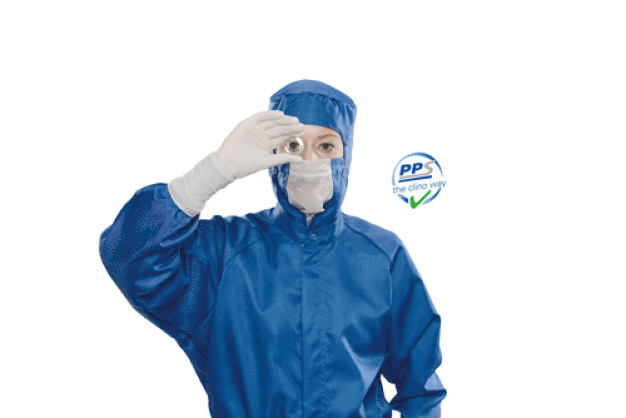
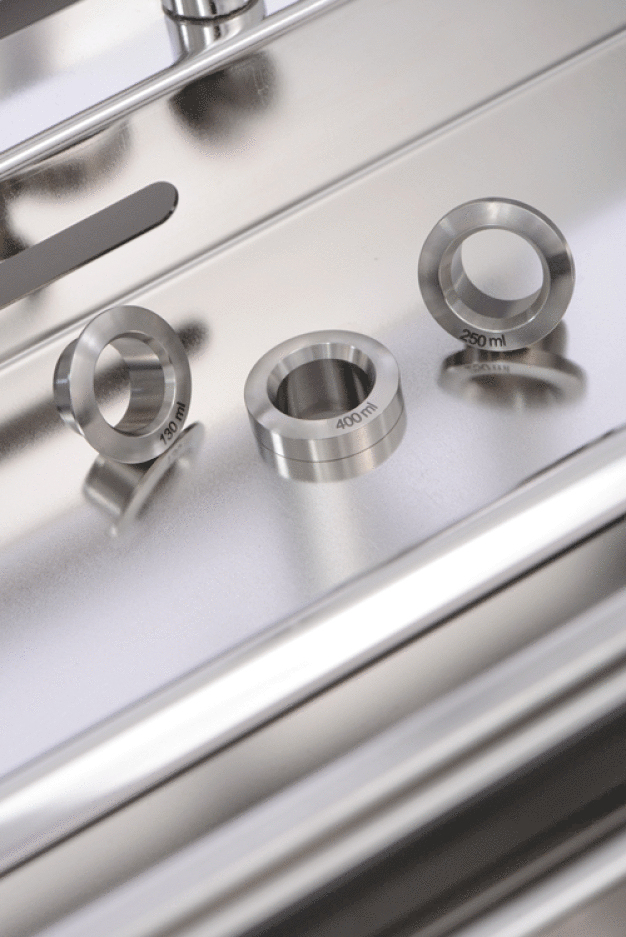
Figure 1: Approaches to precise dosing of the liquid volume
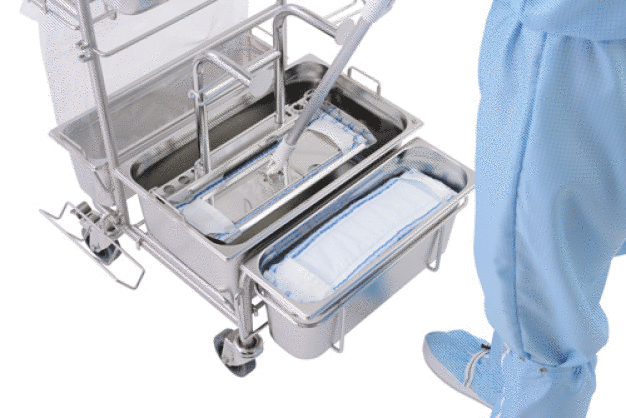
Figure 2: Impregnation of the cleaning textile with a precisely dosed amount of liquid
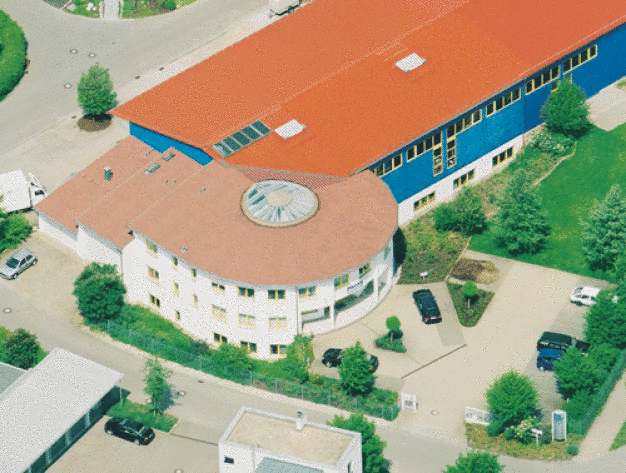
Pfennig Cleaning Technology: Aerial view of the building
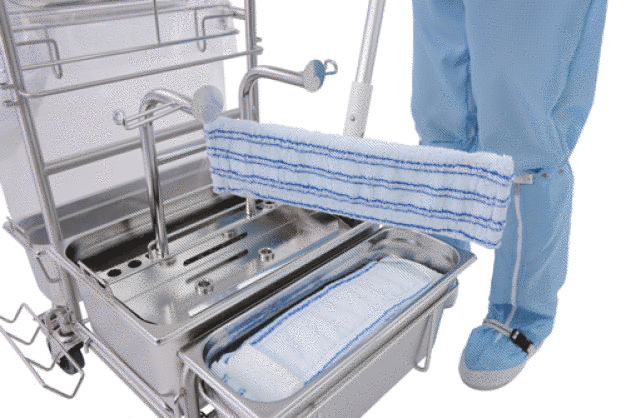
Figure 3: Uniformly wetted mop cover
"The magic is always in the details," was already known to Theodor Fontane. This quote, slightly adapted, fits perfectly with cleanroom cleaning: cleanliness lies in the details. But has the cleaning trolley ever been examined in detail? Is it clear to everyone that even the smallest details can influence the cleanliness-critical processes when it comes to cleaning equipment?
Case Study:
With some larger investments, a cleanroom was built that meets all normative and regulatory requirements. Now it stands there, and the work begins. Through processes, personnel, and activities, the cleanroom's cleanliness will change. Usually, this means that the number of contaminations will increase. After all processes and activities are completed, the cleanroom should have the same level of cleanliness as at the beginning and be qualified in its idle state. Therefore, wipes, cleaning cloths, and equipment such as mop holders, buckets with cleaning solutions, etc., are used. The following cleaning activities should, of course, not negatively affect the cleanliness of the room. That is, it would be unwise if hair, skin flakes, or sweat, including bacteria, were transferred to the room via the wiping textiles, lint or particles were shed from the textiles, or particles were transferred via abrasion from the equipment. So, on the one hand, the activity should be ergonomic and not strenuous, i.e., as non-sweat-inducing as possible, and on the other hand, the equipment should be selected so that no foreign particles are introduced into the room or distributed within it. It would also be undesirable if the cleaning was successful but only spread contamination or only partially inactivated germs. Or if one day a cleaning result is good, but the next day, due to undefined cleaning parameters such as the amount of active substance on the surface, only a poor result is achieved.
In the language of VDI 2083, sheets 5.1 and 9.2, this means that the operating materials such as cleaning textiles and cleaning equipment must be suitable for use in the cleanroom and must not influence the quality of the production processes or the manufactured products. This means that when the cleanroom is to be restored to its original cleanliness state, the cleaning materials used must be scrutinized more closely.
When examining cleaning equipment in detail, two objectives are paramount: on the one hand, avoiding contamination risks from the equipment, and on the other hand, the safe removal of unwanted contaminants from the cleanroom. First, depending on the processes and cleanliness class, it must be defined which cleanliness level (particulate, microbiological?) and which limits must be adhered to in order not to impair the product. The desire—no contamination via or over the cleaning equipment—now influences the design, processing, and material selection of the equipment. Parameters such as cleanability, surface properties, chemical resistance, minimal friction for moving parts, or adhesion possibilities for germs must now be considered. And to recognize these parameters, as already suggested by Theodor Fontane, one must examine the details and the cleaning equipment more closely. If the equipment meets the so-called hygienic design requirements, one will find the magic that lies in the details.
The second desire—reliable removal of contaminants—leads to questions about simple and understandable procedures that avoid cross-contamination and other user errors. The cleaning processes should always be equally effective with the cleaning materials used and should make the work easier for the user, so that motivation—to consistently perform the same monotonous tasks well—remains sustained through ergonomic design. Small details in the development of cleaning equipment can also achieve this second goal. Again, the magic is in the details.
Pfennig Reinigungstechnik GmbH will demonstrate the magic that always lies in the details at the 2015 lounges through a technical lecture, stage actions, and "Open Discussions" at the booth, presenting this magic exemplarily based on existing wiping systems and a new development. Further documents can be requested at any time after the lounges.

Pfennig Reinigungstechnik GmbH
Heubachstr. 1
87471 Durach
Germany
Phone: +49 831 561220
Fax: +49 831 61084
email: info@pfennig-reinigungstechnik.com
Internet: http://www.pfennig-reinigungstechnik.com