




- Trade fair
- Translated with AI
Combustion engine yes – but CO2-neutral
‹ What matters is what goes into the tank
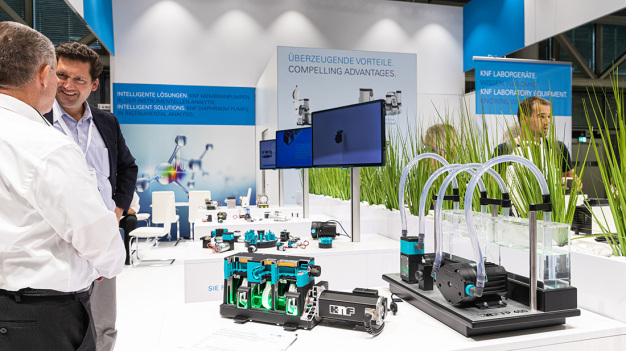
Prerequisite for success: process know-how and customized bio-fuel analytics. (Image: MCH Messe Schweiz (Basel) AG)
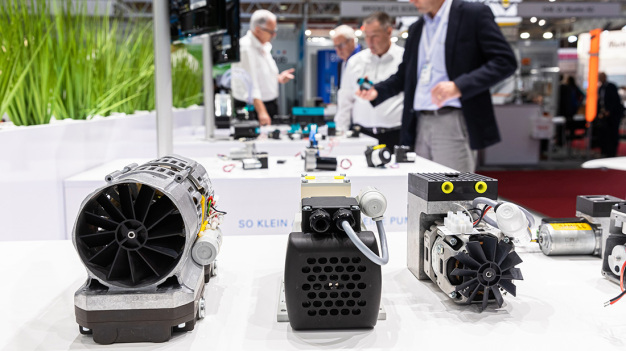
Prerequisite for success: process know-how and customized bio-fuel analytics. (Image: MCH Messe Schweiz (Basel) AG)
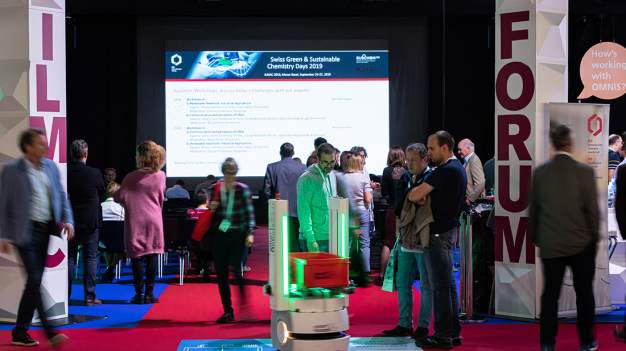
Green and sustainable, and probably less oil-based: This is what future fuels will look like. (Image: MCH Messe Schweiz (Basel) AG)
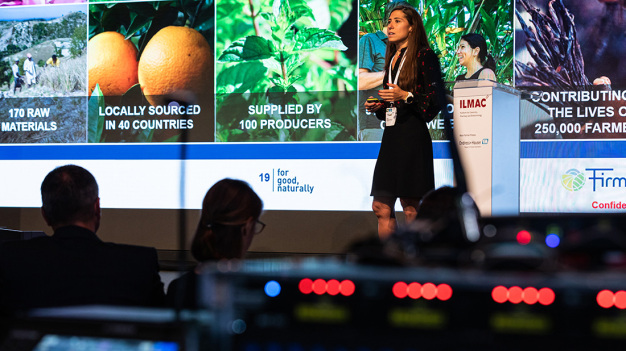
Green and sustainable, and probably less oil-based: This is what future fuels will look like. (Image: MCH Messe Schweiz (Basel) AG)
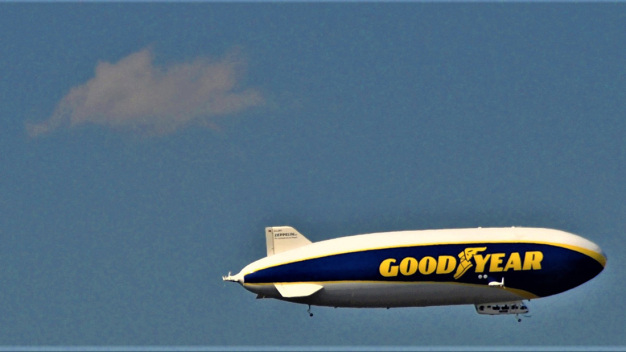
There is always an alternative: airship or airplane, gasoline or kerosene, fossil-based or synthetic bio-fuel. (Image: Ehrensberger)
Synthetic liquid fuels with a favorable CO2 footprint could surpass electric and hydrogen cars.
The internal combustion engine has many advantages: it has proven itself over decades and has continuously improved. It handles different fuels well, such as the commonly available E10 with bio-ethanol blend and bio-diesel for tractors and reservoir service vehicles. The infrastructure has also been in place for decades, so why shouldn't their bio counterparts be used in tanks instead of conventional gasoline, diesel, and kerosene?
A range of innovations makes synthetic liquid fuels attractive: for example, CO2 can be converted into gasoline, diesel, or kerosene in a four-step process («Power-to-X»). This process requires almost only water and electricity from wind and sun. Modern technology from ETH Zurich ensures the «capture» of carbon dioxide from the air.
Bio-methanol and bio-ethanol could in the future be produced from waste gases. Sometimes optimized catalysts help, sometimes special bacteria.
Bio-butanol obtained through fermentation can now be extracted more effectively from the reaction broth. Key to this are innovative MOFs (metal-organic frameworks), which were co-developed by scientists from Switzerland (EPFL, Lausanne).
Beyond these three alcohols, 2,5-dimethylfuran (DMF) could represent a promising synthetic liquid fuel of the future. With improved reaction control using a Pd nanoparticle catalyst, it can now be produced from biomass with good yield. In terms of energy density, DMF even matches that of petroleum-based gasoline.
Just like the distribution infrastructure, process engineering know-how already exists. Modern bio-fuel production employs well-known processes such as Fischer-Tropsch synthesis or hydrocracking.
Furthermore, established laboratory analytics are available for synthetic liquid fuels. For example, recently optimized flame sensor technology in elemental analysis (determining nitrogen, sulfur, and the catalyst poison chlorine) proves helpful. This analytical method ensures complete combustion of the sample without soot formation, resulting in accurate measurements even with extreme and naturally variable matrices.
All about the opportunities of synthetic liquid bio-fuels and the prerequisites for their success can be learned by visitors at this year's Ilmac in Basel during a targeted tour of this important industry trade fair.

ILMAC
MCH Messe Schweiz (Basel) AG
Messe Basel
4005 Basel
Switzerland
Phone: +41 58 206 3106
email: anne.klipfel@ilmac.ch
Internet: http://www.ilmac.ch



