
- Modulare Räume, Kabinen
- Originaltext
Kleine Reinraumlösungen für ein Maximum an Effizienz und Wirtschaftlichkeit
Produktion in partikelarmer Umgebung
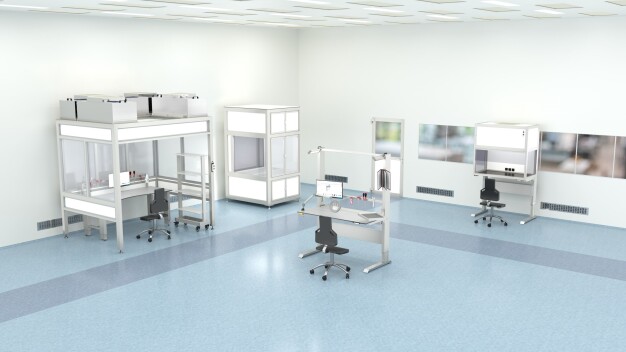
Die Gestaltung von Reinräumen variiert je nach Produkt, Prozess, geforderter Reinheitsklasse und vorhandenen räumlichen Verhältnissen. Ob als einzelner Arbeitsplatz mit Laminar Flow Box, Teilumhausung oder Maschinenkabine – mit den modularen Komponenten von item lassen sich zahlreiche Reinraum-Anwendungen realisieren.
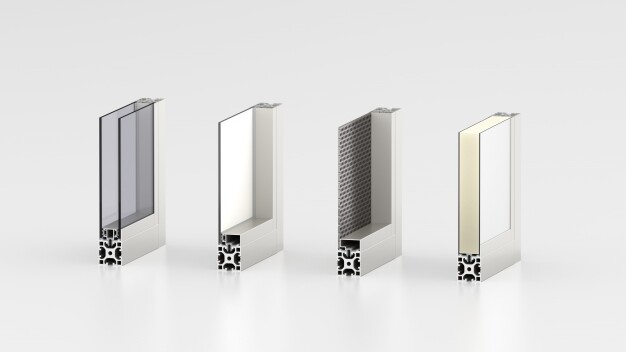
Auf der Basis von modernster Filtertechnik und von Bauteilen, die gezielt auf die speziellen Anforderungen ausgerichtet sind, können Reinräume bis zur Reinheitsklasse ISO 2 gestaltet werden. So entstehen beispielsweise mit dem speziellen Einfasssystem von item verschiedene Wand- und Deckenaufbauten mit einfach zu reinigenden Übergängen.
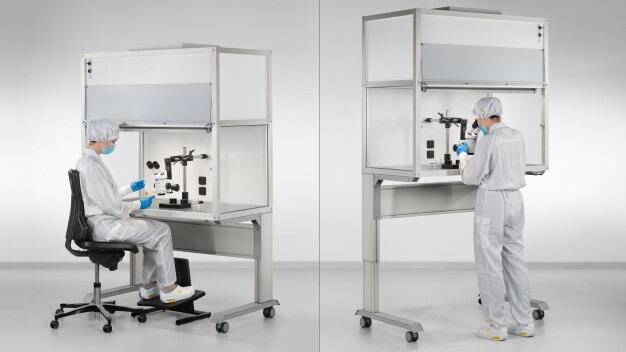
Eine Möglichkeit, kleinere Reinräume in einem Reinraum zu schaffen, ist die Installation einer Laminar Flow Box mit höhenverstellbarem Arbeitstisch.
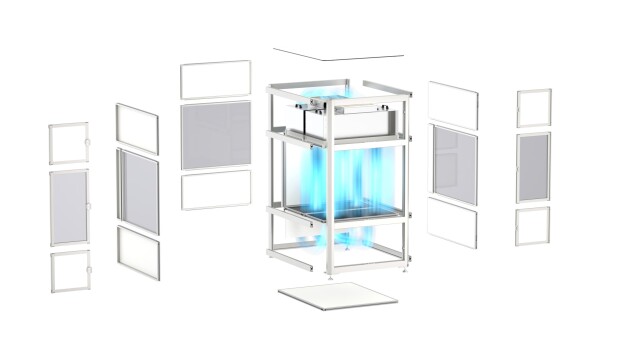
Eine Filter-Fan-Unit saugt die Luft an, filtert sie und erzeugt eine turbulenzarme Strömung mit sauberer Luft im Innenbereich von Laminar Flow Box und Maschineneinhausung.
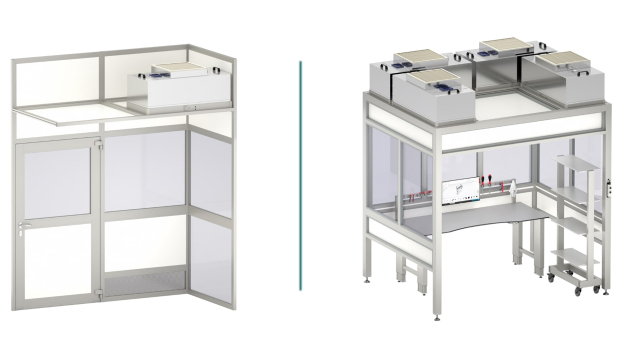
Sollen größere Produktionsbereiche vor Verunreinigungen geschützt werden, bieten sich Teilumhausungen mit mehreren Filter-Fan-Units an. Der Innenbereich lässt sich mit zahlreichen item Komponenten aus dem Systembaukasten reinraumtauglich und individuell gestalten.
Zahlreiche Forschungs-, Entwicklungs- und Fertigungsverfahren müssen in partikelarmer Umgebung ablaufen. Manchmal sind innerhalb dieser Reinräume noch weitere Bereiche mit weitaus niedrigerer Partikelkonzentration notwendig, um besonders empfindliche Produkte zu schützen. Wie lassen sich diese Produktionsumgebungen möglichst einfach und kosteneffizient realisieren? Modulare Baukastensysteme ermöglichen Reinraumlösungen, die optimal an die bestehenden Anforderungen angepasst werden können.
Für empfindliche Produkte in Forschung und Industrie ist ein Schutz vor schädlichen Umgebungseinflüssen unabdingbar. In sogenannten Reinräumen wird die Luft daher mithilfe spezieller Filter aufbereitet. Das Personal muss entsprechende Schutzkleidung tragen und sich an besondere Verhaltensregeln halten. Beispielsweise sollten hastige und unkontrollierte Bewegungen unbedingt vermieden werden, um eventuell vorhandene Partikel nicht unnötig aufzuwirbeln. „Es gilt, ein reinraumgerechtes Bewusstsein zu schaffen“, sagt Kevin Haas, Produktmanager für den Bereich reine Produktion. „Das ist zusätzlich zu den technischen Aspekten eine besondere Herausforderung bei der Umsetzung von Projekten im Reinraum.“ Eine gewisse Sensibilität der Mitarbeiter ist erforderlich. Sie müssen verstehen, dass sie durch ihr Verhalten maßgeblich zur Reinheit des Raumes beitragen. Zusätzlich zum korrekten Tragen der Schutzkleidung mit Handschuhen und Maske kommt auch dem richtigen Ein- und Ausschleusen eine große Bedeutung zu. So befinden sich zwischen den Räumen unterschiedlicher Reinheitsklasse geschlossene Bereiche, in denen Mitarbeiter ihre Schutzkleidung nach vorgegebenen Regeln anziehen. Durch diese Schleusen wird ein Luftstrom zwischen den Räumen unterbunden, wenn Personen die Räume betreten oder Material transportiert wird. Das oberste Ziel ist, sämtliche Partikelemissionen zu verhindern.
Lösungen für Reinräume hoher ISO-Klassen
Die Reinraumtechnik spielt in zahlreichen Branchen eine wichtige Rolle. Die Anforderungen unterscheiden sich je nach Produkt und Prozess. Standardlösungen gibt es nicht. „In sensiblen Produktionsumgebungen gibt es manchmal Bereiche, die noch höhere Reinheitsgrade aufweisen müssen“, sagt Kevin Haas. „Häufig ist dann die Schaffung gesonderter kleinerer Reinraumsysteme die kostengünstigere Alternative zu großen Reinräumen. So entsteht quasi ein Reinraum im Reinraum.“ Teilprozesse der Kameraproduktion beispielsweise finden in solchen Reinräumen statt. Auch das Reinigen von Objektiven und Prüfen von Baugruppen erfolgt unter Reinraumbedingungen. Hierfür sind Bereiche erforderlich, die höheren ISO-Klassen entsprechen. Auch die Waferherstellung für elektronische Bauteile findet in Reinräumen mit hohen Anforderungen an die Reinheit der Luft statt. Während für die meisten Anwendungen die ISO-Klasse 7 oder 8 ausreicht, ist in diesen speziellen Produktions- oder Montagebereichen häufig ISO-Klasse 5 gefordert. Damit dürfen bis zu 100.000 Partikel die Größe 0,1 Mikrometer haben und nur 823 Partikel die Größe 1 Mikrometer.
Minienvironments statt großer Reinräume
Müssen aufeinanderfolgende Arbeitsschritte in unterschiedlichen Reinraumbedingungen durchgeführt werden, hat man sich bisher oft an der strengsten Anforderung orientiert und somit den kompletten Produktionsprozess in einen Reinraum einer höheren ISO-Klasse integriert. Allerdings ist das mit einem größeren Aufwand und entsprechenden Kosten verbunden. Kosteneffizienter sind Baukastenlösungen wie die von item. Anwender profitieren von deutlich geringeren Anschaffungskosten, da sie statt eines kompletten Raumes nur kleinere Produktionsbereiche mit entsprechender Reinraumtechnik ausstatten müssen. Die Prozessumhausungen lassen sich dabei flexibel in der benötigten Form und Größe sowie mit der passenden Ausstattung konstruieren. Auf der Basis von modernster Filtertechnik und von Bauteilen, die gezielt auf die speziellen Anforderungen ausgerichtet sind, können Reinräume bis zur Reinheitsklasse ISO 2 gestaltet werden. Ob als einzelner Arbeitsplatz mit Laminar Flow Box, Teilumhausung oder Maschinenkabine – mit den modularen Komponenten von item lassen sich zahlreiche Reinraum-Anwendungen realisieren. „Für die Qualitätskontrolle der Linse in der Kameraproduktion beispielsweise können Arbeitstische innerhalb eines Reinraums relativ einfach zu einem Reinraumarbeitsplatz höherer ISO-Klasse umfunktioniert werden“, so Kevin Haas. „Im Gegensatz dazu werden für aufeinanderfolgende Prozessschritte, die alle unter Reinraumbedingungen ablaufen sollen, größere, begehbare Umhausungen benötigt.“ Die richtige Lösung hängt von zahlreichen Faktoren ab und wird beeinflusst durch den Prozess selbst, die geforderte Reinheitsklasse sowie die vorhandenen räumlichen Verhältnisse.
Individuelle Gestaltung dank zahlreicher Komponenten aus einem Baukasten
Eine Möglichkeit, kleinere Reinräume in einem Reinraum zu schaffen, ist die Installation einer Laminar Flow Box mit höhenverstellbarem Arbeitstisch von item. Die Filter-Fan-Unit saugt die Luft an, filtert sie und erzeugt eine turbulenzarme Strömung mit sauberer Luft im Innenbereich der Box. Die gereinigte Luft verdrängt die vorhandene Luft und verhindert Verschmutzungen im Arbeitsbereich. Sie wird ohne Verwirbelung über ein Lochblech abgeleitet. „Mit diesen Minienvironments erreichen wir ISO-Klasse 5“, erklärt Kevin Haas. „Das Innere der Box kann mit Schwenkarmen zur Material- und Werkzeugbereitstellung oder anderen Komponenten aus dem item Arbeitsplatzsystem ausgestattet werden. Es lässt sich flexibel an die jeweiligen Anforderungen anpassen.“ Dabei ist die Laminar Flow Box auch als variabler Tischaufsatz einsetzbar. Die Haube mit der Filter-Fan-Unit kann für sämtliche Tischgrößen genutzt werden und kommt dann nur bei Bedarf zum Einsatz. Sollen größere Produktionsbereiche vor Verunreinigungen geschützt werden, bieten sich Teilumhausungen mit mehreren Filter-Fan-Units an. Auch dort strömt gereinigte Luft über die Filter in der Decke in den Arbeits- oder Produktionsbereich. Es wird ein Überdruck erzeugt und somit verhindert, dass Schmutz und andere Partikel in den Raum gelangen. Der Innenbereich lässt sich mit zahlreichen item Komponenten aus dem Systembaukasten reinraumtauglich und individuell gestalten. Denn die Bauteile sind speziell für diesen Einsatz konzipiert. So sorgt beispielsweise ein gesondertes Einfasssystem für bündige Flächen zur reinraumtauglichen Konstruktion von Wänden und Decken. Die glatten und geschlossenen Oberflächen der für die einzelnen Konstruktionen verwendeten Aluminiumprofile ermöglichen darüber hinaus eine optimale Reinigung und verhindern Ablagerungen von Partikeln. Sämtliche Kabel werden in integrierten Kabelkanälen geführt. „In Reinräumen muss das Ausgasen von Materialien möglichst komplett vermieden werden“, betont Kevin Haas. „Dichtungen aus Kunststoff sind in diesem Zusammenhang problematisch zu sehen. Wir verwenden daher nur Werkstoffe mit geringer Ausgasung und haben das auch vom Fraunhofer-Institut zertifizieren lassen.“ Denn um die Verunreinigung von Bauteilen und Prozessen durch kleinste, mit dem Auge nicht erkennbare Partikel zu verhindern, sind nicht nur ein angepasstes Verhalten der Mitarbeiter und entsprechende Schutzkleidung vonnöten, sondern auch die geeignete technische Ausstattung. Mit seinen Reinraumlösungen erfüllt item sämtliche Anforderungen gemäß ISO 14644-1 und bietet darüber hinaus ergonomische Lösungen, die Mitarbeiter in ihren Arbeitsabläufen optimal unterstützen. Auch lassen sich die Arbeitsplätze für den Reinraum ESD-sicher gestalten. Darüber hinaus profitieren Kunden von einem ästhetisch ansprechenden, hochwertigen und funktionalen Design. item berät von Projektbeginn an, übernimmt die Projektplanung, gegebenenfalls auch in Zusammenarbeit mit den item Pluspartnern, und liefert sämtliche Komponenten für die individuelle Gestaltung der Reinräume schnell und zuverlässig.
item Industrietechnik GmbH
42699 Solingen
Deutschland