



- Safety workbench
Eine neue Generation übernimmt
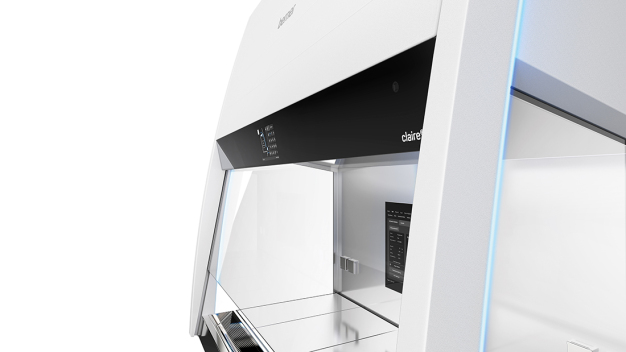
claire®neo (Bildrechte: © Berner International GmbH)
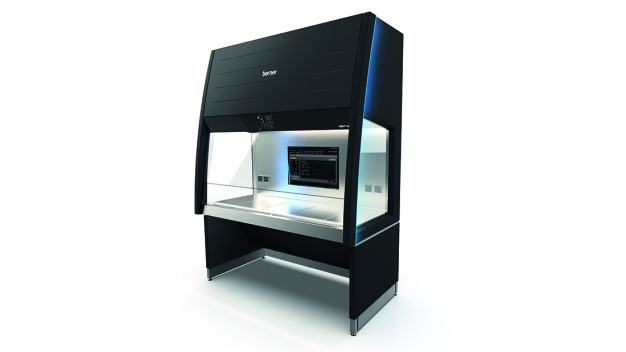
claire®neo (Bildrechte: © Berner International GmbH)
Die „Berner-Box“ setzte bereits in den 1980er-Jahren Maßstäbe für die sichere Zubereitung hochwirksamer Arzneimittel. Seitdem verbinden Anwender in Pharmazie, Medizin und Biologie die Begriffe „Arbeits- und Produktschutz“ mit Sicherheitswerkbänken der Berner International GmbH. Nun bringt das mittelständische Unternehmen mit der Baureihe claire® neo eine neue Gerätegeneration auf den Markt. Bei der Entwicklung hatten die Konstrukteure vor allem eines vor Augen: ein Höchstmaß an Flexibilität und Integrierbarkeit.
Sicherheitswerkbänke: Nicht nur „nice to have“, sondern meist verpflichtend
Sicherheitswerkbänke stellen in Laboratorien, in denen Produkte unter keim- und partikelfreien Bedingungen gehandhabt werden, eine zentrale Schutzeinrichtung dar. Dabei ist der Begriff „Schutz“ in doppeltem Sinne zu verstehen, nämlich als Maßnahme zur Erhaltung der Produktintegrität, aber auch als Mittel zur Minimierung einer von Produkt ausgehenden Gesundheitsgefährdung. Deutlich wird dies, wenn man sich die Hauptanwendungsbereiche für Sicherheitswerkbänke anschaut. So geht es bei der Zubereitung und Untersuchung parenteral zu verabreichender Arzneimittel häufig nicht allein um die Sterilität des Medikaments, sondern auch um den Schutz des Personals vor einer – insbesondere inhalativen – Exposition z. B. gegenüber potenziell zytotoxischen Substanzen in der Krebstherapie. Gleiches gilt für die Handhabung pathogener Mikroorganismen, deren Kultur einerseits vor Fremdkeimen geschützt werden muss, die andererseits aber eine Infektionsgefährdung für Labormitarbeiter darstellen können. Reinheits- und Arbeitschutzanforderungen haben den Gesetzgeber deshalb veranlasst, den Einsatz von Sicherheitswerkbänken in pharmazeutischen Einrichtungen sowie in mikrobiologischen bzw. gentechnisch arbeitenden Laboratorien zu regeln (s. ApBetrO, TRGS 525, BioStoffV, GenTSV). Ab einer definierten Personal- bzw. Produktgefährdung ist der Einsatz von Sicherheitswerkbänken oder vergleichbar wirksamen Schutzeinrichtungen verbindlich vorgeschrieben. Betreiber und Nutzer sind also gehalten, sich mit dem sicheren Betrieb, aber auch der Integration der Geräte in eine bereits vorhandene oder neu zu erstellende Labor- bzw. Reinraumstruktur auseinanderzusetzen.
Labor der Zukunft: Flexibel, effizient, digital
Laboratorien und Reinräume in naturwissenschaftlich, pharmazeutisch und medizinisch arbeitenden Bereichen sollten, wenn es nach den Vorstellungen vieler Praktiker geht, nicht mehr „für die Ewigkeit“ eingerichtet werden. „Flexibilität“ heißt das Zauberwort, mit dem der Bedarf nach jeweils optimal angepassten Arbeitsbereichen beschrieben wird. Möglichst variable, aufeinander abgestimmte Arbeitsplatzstrukturen sollen zukünftig die Tätigkeit prägen, dabei die Auslastung vorhandener Ressourcen verbessern und Kosten sparen. Unterstützt wird diese Entwicklung vom elektronischen Informationsaustausch zwischen den bereitgestellten Komponenten sowie deren Integration in die digitale Struktur des Labors oder gar die des gesamten Unternehmens.
Bereits bei der Planung von Bau- und Umbauvorhaben sollten daher die Anforderungen an „smarte“, anpassbare Arbeitsbereiche berücksichtigt werden. Wesentliche Vorteile bei der Bauabwicklung, aber auch bei der späteren Bewirtschaftung von Laboren und Reinräumen verspricht die digitale Verwaltung und Visualisierung aller erforderlichen Informationen im Rahmen des sogenannten Building Information Modeling (BIM). Standardisierte Abmessungen der eingesetzten Bauteile und Geräte erleichtern den Prozess und ermöglichen eine kosten- und zeiteffiziente (Um-)Strukturierung entsprechend dem Bedarf aller am Laborbetrieb beteiligten Parteien. Zukunftssichere Geräte sollten sich aus diesem Grund nahtlos in ein einheitliches Einrichtungsraster einpassen lassen. Sie entsprechen damit den Konzepten namhafter Laboreinrichter, deren Produkte bereits seit Längerem auch in entsprechenden Rastermaßen angeboten werden. Dies erlaubt eine weitgehend freie Konfiguration der Ausstattung, die sich mit begrenztem Aufwand wechselnden Nutzungsanforderungen anpassen lässt.
Weitere wichtige Aspekte auf dem Weg zu mehr Flexibilität und Effizienz ergeben sich aus einer erweiterten Funktionalisierung und Kommunikation der im Labor bzw. Reinraum bereitgestellten technischen Einrichtungen. Erste Entwicklungsansätze zeigen individuell kombinierbare, smarte Labortischmodule mit in die Oberfläche integrierten Geräten. Die Einheiten sind in der Lage, untereinander und mit dem Gesamtsystem zu kommunizieren. Auf diese Weise stehen wesentliche Funktionalitäten bedarfsgerecht – und ohne zusätzlichen Platzbedarf – zur Verfügung. Wartezeiten werden vermieden, Workflows können optimiert und Arbeitsziele schneller erreicht werden – wesentliche Voraussetzungen für die Transformation zum Labor 4.0.
claire® neo: In jeder Hinsicht sicher
„Mikrobiologische Sicherheitswerkbänke“ nach DIN EN 12469 und „Sicherheitswerkbänke für Zytostatika“ nach DIN 12980 bieten eine verlässliche Mindestleistung im Hinblick auf den Personen-, Produkt- und Verschleppungsschutz. In diesem Sinne erfüllen also alle konformitätsbewerteten Geräte die derzeit gültigen Sicherheits- und Funktionsanforderungen. Sind sie damit aber bereits fit für den Weg ins Labor der Zukunft?
Mit dem Ziel, auch komplexeren Anforderungen moderner Laborstrukturen gerecht zu werden, hat Berner Sicherheitswerkbänke der kommenden Baureihe claire® neo auf eine völlig neue Basis gestellt. Dies betrifft nicht nur die äußere Erscheinungsform, sondern auch – und vor allem – die „inneren Werte“. So konnten in mehrjähriger Entwicklungsarbeit Design, Ergonomie und Funktionalität nochmals optimiert und einer möglichst nachhaltigen Nutzung angepasst werden. Die wichtigsten Verbesserungen betreffen die im Folgenden aufgeführten Bereiche.
Standardisierte Abmessungen
Alle bisher im Markt erhältlichen Sicherheitswerkbänke weisen herstellerindividuelle Außenmaße auf. Dies erschwert es Planern und Einrichtern, die Geräte in ein einheitliches Laborkonzept einzubinden. Durch die fehlende Vereinheitlichung wird zudem die Um- bzw. Weiternutzung an einem anderen Aufstellungsort eingeschränkt. Vor allem Großunternehmen wünschten sich eine variable Nutzung der vorhandenen oder in Planung befindlicher Laborflächen, erklärt Berner-Geschäftsführer Thomas Hinrichs. Sie forderten deshalb immer häufiger eine Ausstattung mit Geräten, die über einheitliche Abmessungen verfügten, ähnlich denen einer modernen Küchenausstattung.
„claire® neo-Sicherheitswerkbänke wurden deshalb unter strenger Berücksichtigung eines einheitlichen Abmessungsrasters konzipiert“, beschreibt der Bioingenieur die Entwicklungsarbeiten. „Sie werden in vier verschiedenen Größen angeboten, die sich alle nahtlos in eine Laborumgebung mit 30 cm-Rastermaß einpassen lassen.“ Die Geräte erleichtern damit nicht nur die Neugestaltung von Labor- und Reinraumbereichen, sondern ermöglichen auch deren bedarfsgerechte Umstrukturierung, bei der die Neuplatzierung von Sicherheitswerkbänken bislang oftmals ein Problem darstellt.
Erweiterte Funktionalisierung
„Über kurz oder lang stellt jeder Anwender fest, dass der Platz knapp wird“, beschreibt Hinrichs die Nutzungssituation in bisherigen Sicherheitswerkbänken. Vor allem dann, wenn verschiedene technische Einrichtungen untergebracht werden müssten, sei ein strukturierter Workflow meist schwer umzusetzen. Die Lösung sehen er und sein Entwicklungsteam in einer besseren Ausnutzung der vorhandenen Arbeitsfläche. Diese besteht bei herkömmlichen Sicherheitswerkbänken aus einzelnen Edelstahlplatten, die so beschaffen sein müssen, dass sie leicht gereinigt werden können. Die Elemente weisen allerdings keinerlei Funktionalitäten auf und dienen lediglich als „passive" Ablagefläche. Geräte im Arbeitsraum verringern somit die zur Verfügung stehende Arbeitszone und stellen zudem ein sicherheitsrelevantes Strömungshindernis dar. In Nutzungsempfehlungen wird deshalb vom Einsatz großer oder zahlreicher Geräte innerhalb einer Sicherheitswerkbank abgeraten.
Zusammen mit der Einführung einheitlicher Abmessungen stattet Berner claire® neo- Sicherheitswerkbänke mit funktionalisierten „aktiven" Arbeitsplatten aus. In die optional erhältlichen Platten sind regelmäßig genutzte Labor-Geräte (z. B. Magnetrührer, Heiz- oder Kühlflächen, Computertastatur, Akku-Ladegeräte) integriert oder sie weisen andere anwendungsoptimierte Eigenschaften wie z. B. leicht reinigbare, chemisch hoch beständige Oberflächen, eine LED-Hinterleuchtung oder Schwingungsdämpfung auf. Die Integration erfolgt weitgehend bündig mit der Oberfläche. So bleibt die gesamte zur Verfügung stehende Arbeitsfläche erhalten und lässt sich weiterhin einfach reinigen und desinfizieren. In Übereinstimmung mit den standardisierten Außenabmessungen werden die Arbeitsplatten in einheitlichen Größen gefertigt. Sie lassen sich somit variabel in verschiedenen Bereichen der Arbeitsfläche und in allen Sicherheitswerkbänken der neuen Baureihe einsetzen. Dies senkt die Beschaffungskosten und erlaubt die flexible Verwendung vorhandener Systemkomponenten in verschiedenen Laborbereichen. Zusätzliche Arbeitsplatten mit weiteren Funktionalitäten lassen sich später nachbeschaffen, sodass die vorhandene Grundausstattung über lange Zeit nachhaltig genutzt werden kann.
Bedienung und digitale Integrierbarkeit
Immer strengere Hygieneanforderungen, der Wunsch nach einer umfänglichen Überwachung von Prozessparametern sowie das Bestreben, Laborgeräte in ein intelligent agierendes Netzwerk zu integrieren, machen es erforderlich, Sicherheitswerkbänke mit leistungsfähigen Bedien- und Steuerkomponenten auszustatten. Dies betrifft nicht nur die Schnittstelle zum Bediener, sondern auch die Kommunikationsfähigkeit mit anderen Laborgeräten und Überwachungseinrichtungen.
Hard- und Software der Baureihe claire® neo wurden komplett überarbeitet und auf eine neue digitale Plattform gestellt. Dies ermöglicht zukünftig das Auslesen und die Weiterverarbeitung wichtiger Betriebsdaten direkt am Gerät oder über eine Netzwerkverbindung. In der Steuerung lassen sich Benutzer- oder Nutzungsprofile hinterlegen, sodass die Sicherheitswerkbank ohne zeitaufwendige Neueinstellung mit festgelegten Parametern (Beleuchtungsstärke, Frontscheibenöffnung, Anzeigefunktionen usw.) genutzt werden kann. Das System erlaubt es darüber hinaus, Betriebszeiten zu buchen, um eine flexible, laborübergreifende Nutzung der Geräte sicherzustellen. Die Bedienung selbst erfolgt in der Grundausstattung über ein intuitiv bedienbares Touchdisplay, das sich nicht nur den individuellen Anforderungen anpassen lässt, sondern den Anwender über alle wichtigen Betriebsparameter und Einstellmöglichkeiten informiert. Um beim Umgang mit toxischen oder infektiösen Materialien eine sichere, d. h. berührungslose, Bedienung zu gewährleisten, lassen sich die Geräte der neuen Baureihe über eine Präsenzerkennung automatisch starten oder in einen sicheren Ruhezustand versetzen.
Auf- und Nachrüstbarkeit
Abhängig vom Gefährdungspotenzial der gehandhabten Produkte kann es sicherheitstechnisch, aber auch ökonomisch sinnvoll sein, die Sicherheitswerkbank mit einer dritten Filterstufe zu betreiben. Sie verhindert Kontaminationen an schwer zugänglichen Teilen im Innern des Gerätes (z. B. an den Ventilatoren) und erspart aufwendige Reinigungsarbeiten vor einer Reparatur, Umwidmung oder Entsorgung. Bislang war es erforderlich, sich bereits bei der Anschaffung auf einen Zwei- oder Dreifiltertyp festzulegen. Ein späteres „Upgrade" war nicht möglich. Dies verhinderte in vielen Fällen die sinnvolle Weiternutzung vorhandener Geräte.
Sicherheitswerkbänke der Baureihe claire® neo lassen sich über viele Jahre den aktuellen Anforderungen anpassen. Durch die Neugestaltung des Untergestells ist der Einbau einer dritten Filterstufe problemlos möglich. Die Arbeiten lassen sich direkt vor Ort durchführen, sodass die Werkbank das Labor oder den Reinraum nicht verlassen muss. Dies gilt auch für die Nachrüstung von Medienanschlüssen, elektrischen oder elektronischen Schnittstellen oder eines in den Arbeitsraum integrierten Monitors. Vor dem Hintergrund zunehmend automatisierter Arbeitsabläufe und der Vernetzung von Laborgeräten kommt der digitalen Erweiterbarkeit große Bedeutung zu. Durch einfache Nachrüstung bekommt der Kunde die Möglichkeit, auch Bestandsgeräte zukünftigen Anforderungen anpassen zu können - kostengünstig und mit geringem Aufwand.
Fit für die Zukunft
Geschäftsführer Hinrichs ist stolz auf die Neuentwicklung aus dem Hause Berner: „Die aufgeführten Eigenschaften machen claire® neo zu einem Meilenstein in der Entwicklung von Sicherheitswerkbänken“. Tatsächlich berücksichtigen die Geräte bereits jetzt wesentliche Anforderungen an das „Labor der Zukunft", sowohl im Hinblick auf dessen räumliche Planung und Nutzung als auch auf die Bedienung und digitale Integration der darin befindlichen Komponenten. Mehr noch als ihre Vorgängermodelle ermöglichen sie sicheres und effizientes Arbeiten, vor allem aber mehr Flexibilität sowie eine leichtere Anpassung an zukünftige, individuelle Arbeitsanforderungen. Die neuen Eigenschaften berücksichtigen in erster Linie die Bedürfnisse industrieller Anwender, es ist aber anzunehmen, dass sie ebenfalls - wenn auch zeitverzögert - in kleineren Einrichtungen (Apotheken, Praxen, Ämtern, Hochschullaboratorien usw.) zu wichtigen Ausstattungsmerkmalen werden.

Berner International GmbH
Werner-von-Siemens-Straße 19
25337 Elmshorn
Germany
Phone: +49 4121 43560
Fax: +49 4121 435620
email: info@berner-safety.de
Internet: https://www.berner-safety.de