


- Overall
- Translated with AI
Alina Kopp, Carsten Moschner, Yasemin Müller, Volker Burger
The influence of clothing on technical cleanliness
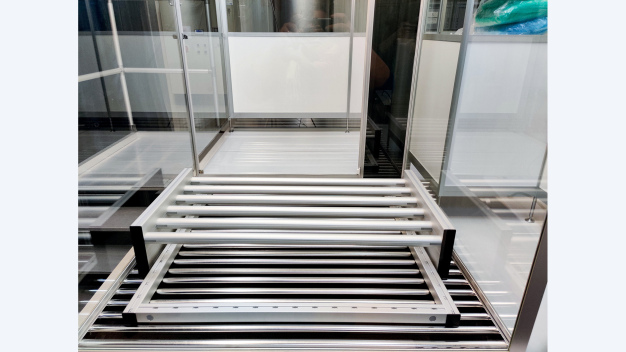
Figure 2a: Experimental setup; frame and pedal in body box
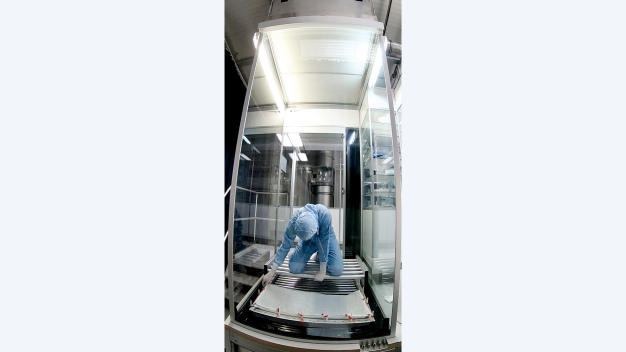
Figure 2b: Clamping analysis cloth
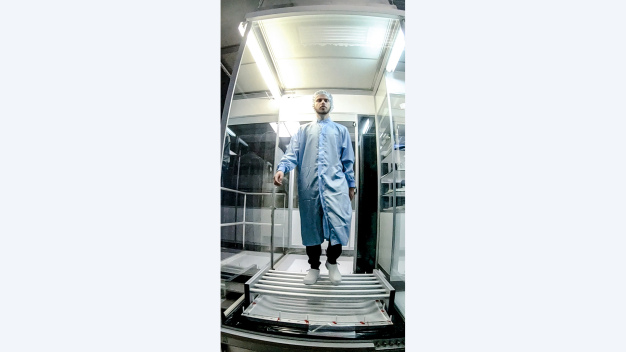
Figure 2c: Subject performs the movement sequence over the analysis cloth
Introduction of the new method
Clothing systems
The Correct Choice: Clothing Systems in Technical Cleanliness – First Body-Box Study with Detection of Particle Size Range ≥ 0.5 µm to > 3,000 µm
Introduction of the New Method
The following introduces the new method. It is based on the Body-Box measurement method, which is modeled after the IEST-RP-CC003.4 and was implemented at Dastex in 2004 [6]. This method is currently the only measurement procedure through which cleanroom clothing systems can be tested under practical conditions. In a pure area measuring approximately 1.20 x 1.20 x 2.40 meters, a test probe performs defined movement sequences with the clothing system under investigation. The particles generated during this process are detected using optical particle counters (OPZ) and evaluated accordingly.
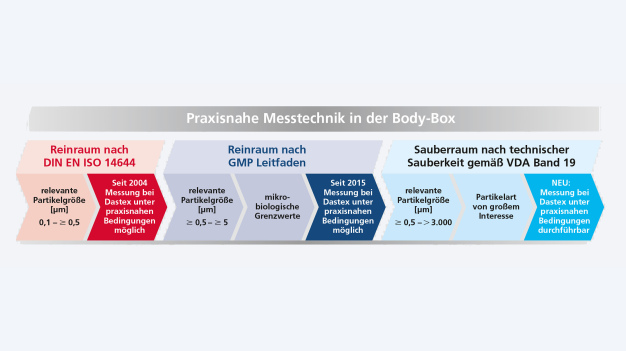
In cleanroom areas, humans play a significant role as sources of contamination [8]. Their weight must not be underestimated, especially in cleanliness areas of the automotive industry [11]: personnel can introduce critical, sometimes functionally or safety-relevant impurities not only during manufacturing but also into the final product. Both in cleanroom and cleanliness areas, a properly selected clothing system tailored to the process and its specifications significantly contributes to preventing such contamination. Until now, there has been neither a measurement methodology nor data on this. Since 2004, Dastex's in-house research and development department has been conducting Body-Box studies [6]. These are carried out for internal questions or at customer requests, previously focusing on topics such as disposable vs. reusable [7], intermediate clothing, germ measurements [9], and aging studies [10]. The focus has been on a particle size spectrum of ≥ 0.5 µm to ≥ 10 µm (according to DIN EN ISO 14644) and, in some studies, on detecting germ counts using BioTrak and germ counters (according to GMP guidelines). With the new method introduced in cooperation with CleanControlling GmbH, the particle size range is extended upward to particles ≥ 3,000 µm, thus closing a research gap (see Figure 1). The Body-Box measurement method for the area of technical cleanliness according to VDA Volume 19 has been successfully established in an initial study. The results clearly show which cleanroom clothing systems should be used in the area of technical cleanliness.
Selecting the Appropriate Particle Measurement Method:
Detection of particles using optical particle counters is only reliable and applicable up to a certain particle size.
Reasons for this include:
- Various physical properties. Gravitational influences, for example, can cause sedimentation of particles ≥ 5 µm [3]. This effect noticeably increases with longer conduction paths or larger particle diameters. Additionally, due to inertial forces and turbulence, particles may be lost [3]. Particles > 100 µm would sediment on the way to the OPZ and thus not be included in the counter result.
- Furthermore, it is not possible to detect such large particles using light scattering techniques. Devices available on the market are only capable up to a particle size of 500 µm (air particle counter Abakus® mobile air LDS 2/2; 5 – 500 µm by Markus Klotz GmbH [5]), provided the particles reach the measurement chamber despite the aforementioned influences. For example, Klotz's devices have the measurement chamber directly after the sampling probe, so particles do not have to pass through a long sampling tube but are directed straight into the chamber.
- Optical particle counters are generally calibrated with monodisperse polystyrene latex (PSL) particles. PSL particles are ideally spherical. "That is, all counts and particle sizes measured with such a calibrated device refer to the diameter of PSL particles" [3]. However, this does not correspond to the natural shape and occurrence of particles. Especially beyond a certain size, particles can exhibit significantly different length and width extensions. The optical particle counter detects particles depending on orientation and light incidence, not their actual size.
In the automotive industry, the "worst-case damage potential" is also defined by the maximum Feret diameter (Feretmax) of a particle [12]. Therefore, accurate measurement of particles > 100 µm is of great importance.
Thus, measurement using optical particle counters is unsuitable for detecting particles up to ≥ 3000 µm in the measurement setup.
In measurements using optical particle counters in the Body-Box, the airflow was designed "to ensure representative sampling" [6]. However, this is only valid for detecting small particles. The reasons (physical properties) have already been explained elsewhere. For smaller particles measured with OPZ, it suffices to measure a partial airflow and then extrapolate the count to the total volume. Due to the natural size distribution of particles, a significantly lower number of large particles is expected. Additionally, large particles are unlikely to be evenly distributed in the airflow. Therefore, examining only a partial airflow is considered insufficient, and the entire airflow is filtered, captured, and evaluated. To minimize particle loss, filtration is placed close to and directly beneath the particle generation point. To account for technical cleanliness requirements in the automotive industry, the analysis method involves particle extraction from the filter cloth and evaluation aligned with the VDA19 Part 1 standard.
New, Integrated Test Procedure in the Body-Box
After careful consideration of various concepts, one approach was further refined and implemented. As seen in Figure 2a, a frame was integrated into the Body-Box. A defined analysis cloth is stretched inside this frame under the highest cleanliness requirements (Figure 2b). This acts as a catch filter for particles released by the test subject/clothing system. It is designed so that airflow is only minimally affected while reliably retaining particles ≥ 15 µm. The test subject performs the required movement sequences on a step positioned above the analysis cloth (Figure 2c). The procedure is identical to all other studies: the test subject enters the Body-Box and initially stands for five minutes, then walks in place for five minutes. This sequence is repeated and concluded with a five-minute standing phase. A detailed analysis of walking and standing phases with this procedure is not possible but could be adapted. To prevent particle loss during removal from the analysis cloth, a pre-defined folding technique is used when removing the cloth. It is then packed into a clean bag, clearly labeled, and sent to CleanControlling for extraction and evaluation.
After gentle courier transport of the filter cloth to the Technical Cleanliness Laboratory at CleanControlling, the test specimen is introduced into the ISO Class 6 cleanroom via the material pass-through and prepared for extraction.
For particle extraction, a suitably large extraction chamber used in the automotive industry for truck crankcases is employed. The chamber has a defined and known cleanliness status based on the blank value measurement. The blank value is evaluated according to VDA19 Part 1 guidelines. The filter cloth is inserted crosswise into the chamber and sprayed on both sides with 20 liters of cold cleaner and a defined volume flow. The test fluid is directed via a collection funnel to the filter station, where a mesh filter with a mesh size of 1 µm is installed. Vacuum assists the filtration process. After rinsing the chamber, the filter is transferred for microscopic analysis.
The microscopic evaluation of particles on the analysis filter is performed using a stereo light microscope system with an automatic XY stage and particle counting software from JOMESA. The system is configured according to the standard evaluation procedure of VDA19 Part 1, focusing on particles > 50 µm and measuring particle length according to Feretmax to determine the maximum particle extension. Metallic and non-metallic particles are counted and measured through a polarization filter, and fibers are included based on length/width ratio.
When focusing on larger particles, they are manually checked and edited microscopically via the live image by the operator. The largest particles are then documented photographically in the protocol.
The protocol with all analysis results is sent to Dastex for further evaluation.
Processing of Results:
For the entire study, an optical particle counter is used in parallel with all other methods to detect particles ≥ 0.5 – ≥ 10 µm. For evaluation and presentation, particle counts from the extraction process, microscopic analysis, and optical particle counters are uniformly converted to particles per minute.
A detailed classification of particle types is not provided in the results of this study, as the setup does not anticipate metallic particles. However, future studies could consider this, especially when testing worn clothing.
Results and Discussion:
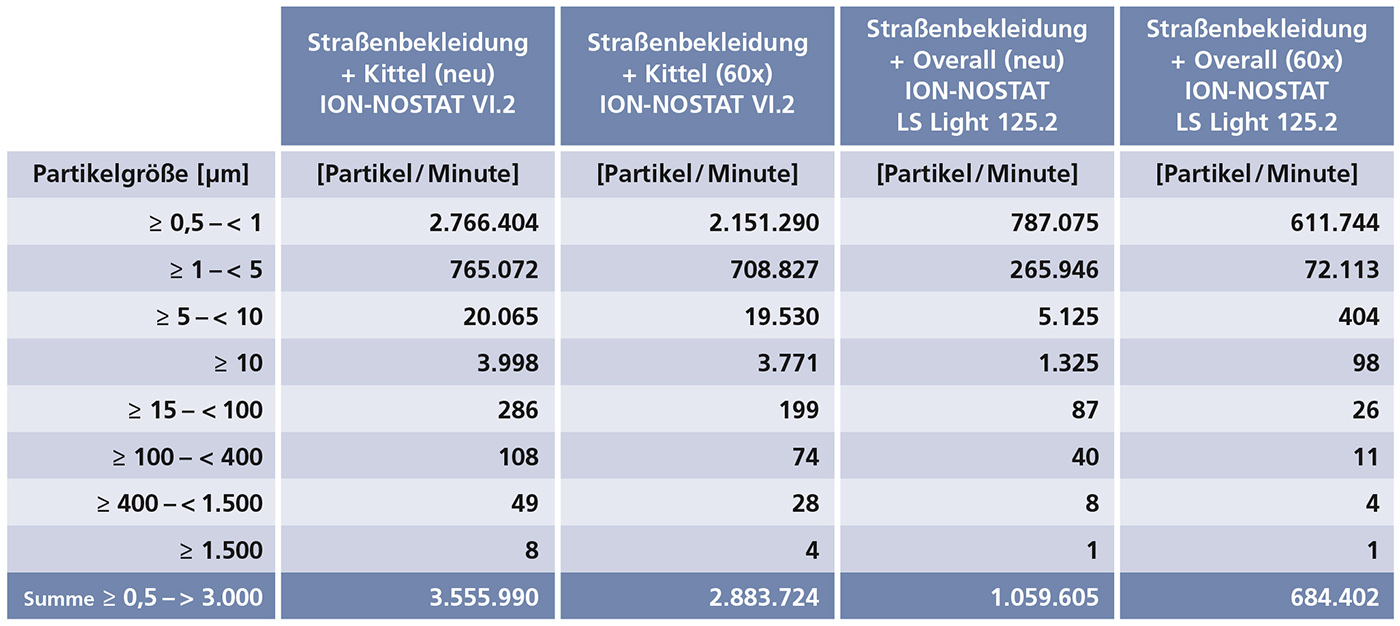
Table 2 provides an overview of the detected particle counts. Particle size channels ≥ 0.5 – ≥ 10 µm were detected with the optical particle counter. The ranges 15 – > 1,500 µm were evaluated via extraction and light-optical methods.
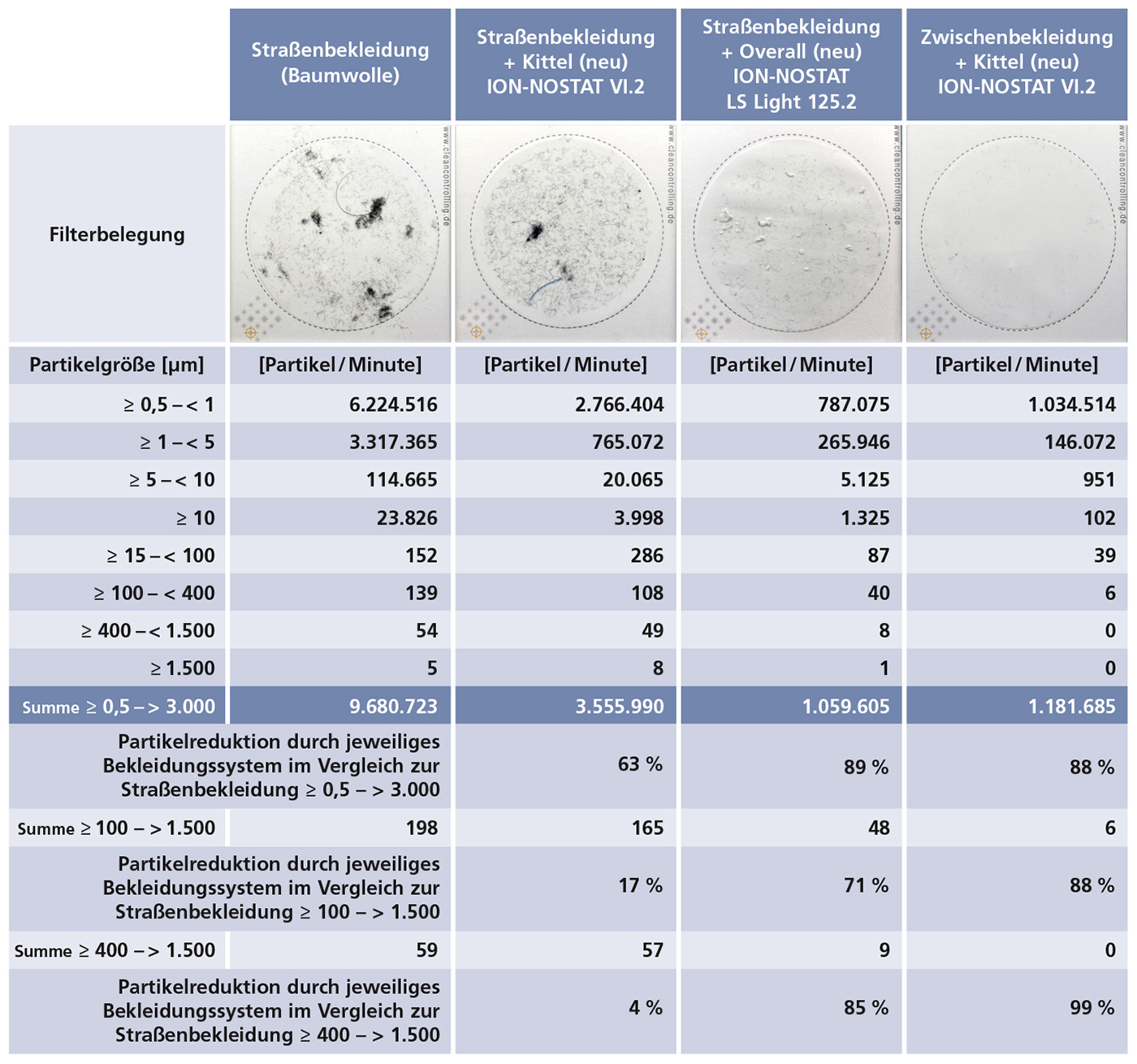
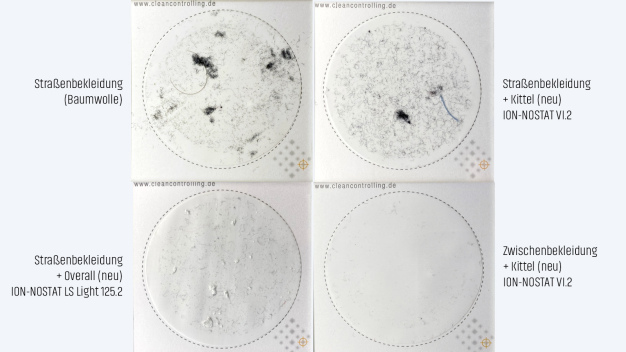
Just looking at the analysis filter coverage already clearly demonstrates the result, which can be supported by numbers: Wearing a lab coat over street clothing alone is not sufficient. While this reduces the overall particle size range by 63%, large particles still simply fall out of the coat at the bottom. This explains the improvement of only 4 – 17% in particle size ranges > 100 µm and > 400 µm.
If street clothing is replaced with cleanroom intermediate clothing, a significantly higher reduction of up to 99% is achieved. A similarly good reduction in particle counts is observed when wearing a full-body suit made of ION-NOSTAT LS Light 125.2 over street clothing. With this very low particle count, no statement can be made about which of the two clothing systems is "better." Both show very good results; the choice of which to use in production depends on other factors not discussed here.
From the filter coverage images, it is also evident that the microscopic analysis and post-checking posed a particular challenge in editing the numerous fibrous particles, some intertwined, so that the counting results could be reliably used for cleanliness comparisons.
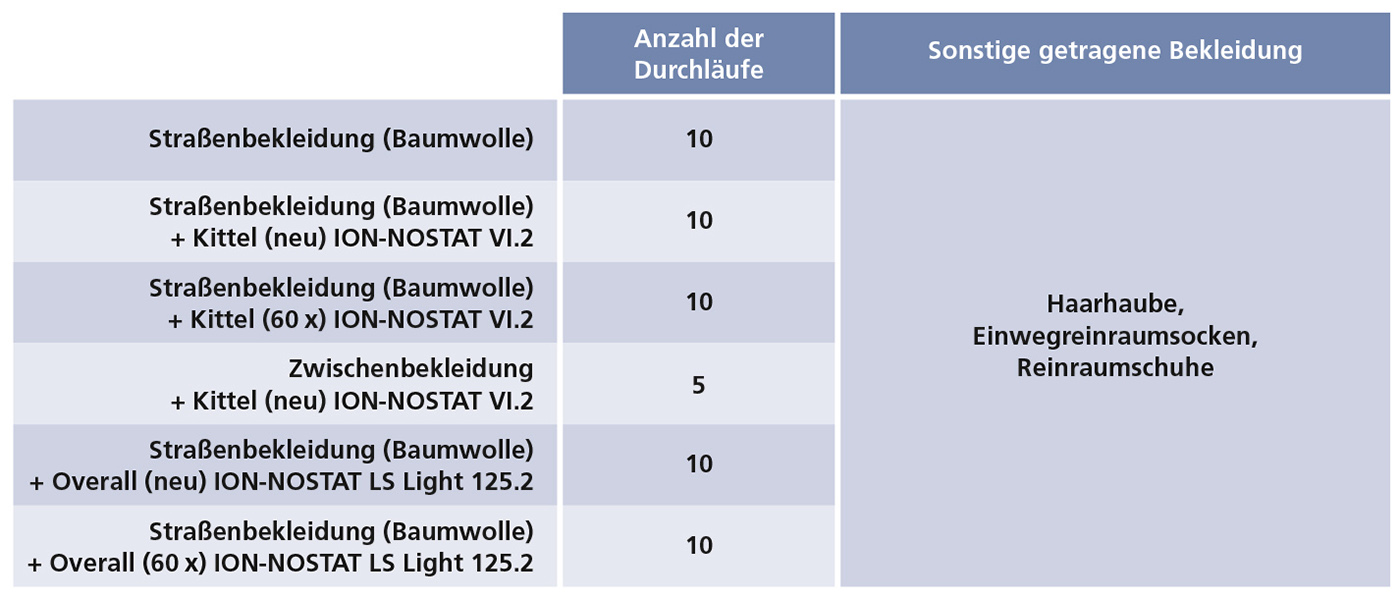
Table 3 compares the particle counts of the new state (new) and the aged-simulated state (60x). The results show that the textiles retain most particles after 60 decontamination cycles, similar to or even more than in the initial state.
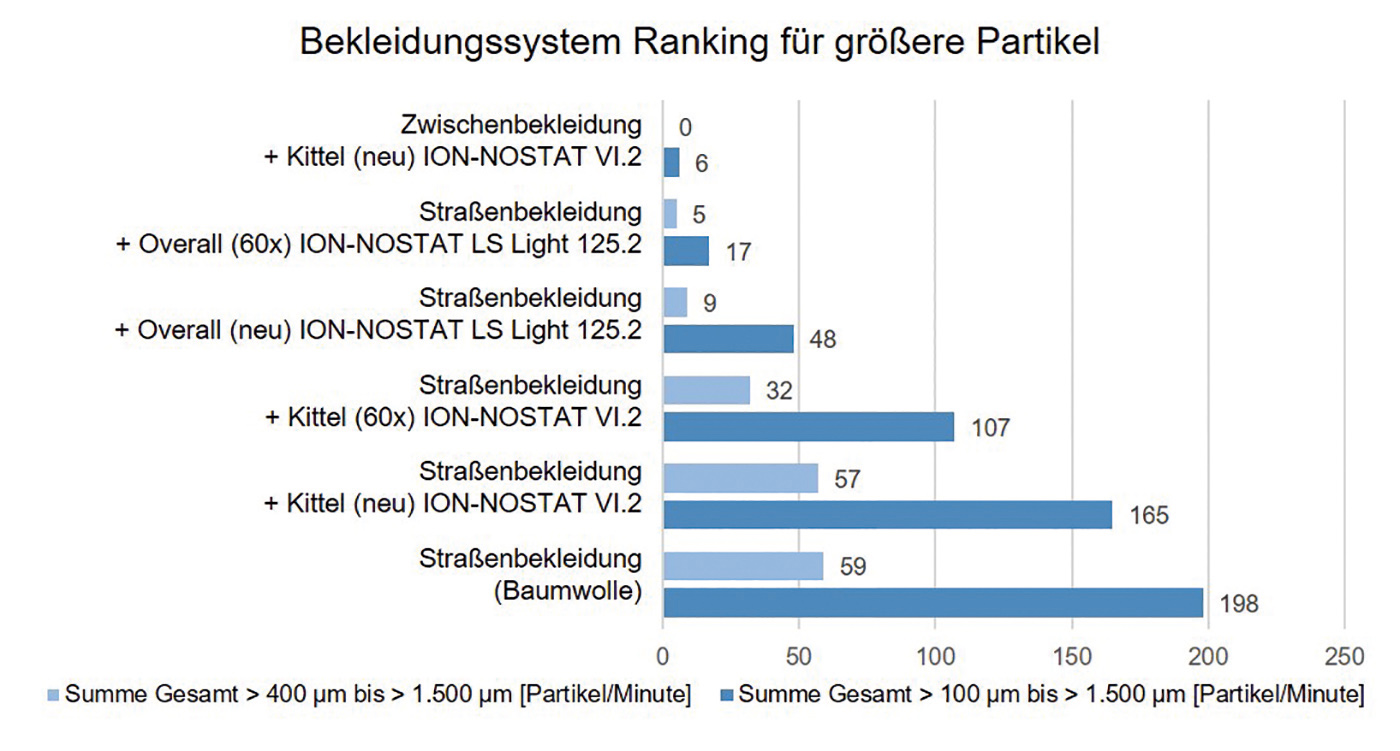
As illustrated by the clothing system ranking (Fig. 3), the fewest particles (0 – 6 particles/minute, depending on the particle size range) were detected with a lab coat made of ION-NOSTATVI.2 combined with cleanroom intermediate clothing. Slightly behind are the values for the ION-NOSTAT LS Light 125.2 overall, with 5–48 particles/minute (depending on particle size range). At the same time, this textile offers very high wearing comfort. As expected, street clothing releases the most particles, with 59 – 198 particles/minute. It is worth noting that this was a freshly washed cotton jogging suit worn only in the Body-Box. Normal street clothing would likely produce significantly higher particulate contamination, considering street dirt, pet contamination, and other sources. All these particles fall out of the coat, which is why the particle counts for street clothing + coat are still high at around 32 – 165 particles/minute despite the high-quality cleanroom textile ION-NOSTAT VI.2. Contaminations that settle downward do not automatically deposit on the floor and are not immobile there. Depending on the particle type, particles can remain airborne for a long time. Movements (such as personnel walking, airflow, etc.) stir up particles, which can then settle on work areas and products. Therefore, the use of street clothing + coat is strongly discouraged once a certain level of cleanliness is required.
Conclusion and Outlook
The results of the first study clearly indicate which clothing systems should be chosen for specific areas. They also demonstrate the influence of textile and cut on cleanliness. Depending on how individual requirements are specified, various clothing systems can suppress the human contamination source in clean and sterile environments.
The introduced measurement method fills the previous gap and allows practical determination of particle counts up to a size of ≥ 3,000 µm. The measurement approach not only provides quantitative evaluation but also, if necessary and meaningful, allows differentiation between particle types. If a user decides to conduct a study with clothing already worn in production, conclusions about the removal of metallic particles through decontamination could be drawn. It is conceivable that metallic particles adhere to fibers and are only released through movement of the personnel. Such a study could, for example, define maximum wearing cycles or optimize the clothing system at stressed areas.
________________________
Study published in October 2022, issue 10 of the Journal for Surface Technology
link.springer.com/journal/35144/volumes-and-issues
________________________
Sources
[1] Dastex Cleanroom Equipment GmbH & Co. KG (2019). ION-NOSTAT VI.2.
https://www.dastex.com/produktportfolio/oberbekleidung/gewebe-der-oberbekleidung-auf-einen-blick/ion-nostat-vi2/ [Accessed: 11.01.2021]
[2] Dastex Cleanroom Equipment GmbH & Co. KG. (2019). ION-NOSTAT LS Light 125.2
https://www.dastex.com/produktportfolio/oberbekleidung/gewebe-der-oberbekleidung-auf-einen-blick/ion-nostat-ls-light-1252/ [Accessed: 11.01.2021]
[3] Hauptmann & Hohmann (1999). Handbook of Cleanroom Practice III – 2 Process Monitoring in Cleanrooms; Cleanroom Technology S.18ff
[4] Jost, J. (2020). Implementation and Verification of a Bodybox Test Method for Particle Detection in the Size Range of ≥ 15 to ≥ 3,000 µm. Bachelor Thesis, Hochschule Albstadt-Sigmaringen, Faculty of Life Sciences.
[5] Markus Klotz GmbH. Technical Data Sheet Air Particle Counter Abakus® mobile air. https://www.fa-klotz.de/partikelzaehler-wAssets/docs/abakus-mobil-air-de.pdf [Accessed: 11.01.2021]
[6] Moschner, C. & von Kahlden, T. (2004). Body-Box Test: A Test Method on the Test Bench. Cleanroom Technology, 02, 38-39
[7] Moschner, C. (2006). Disposable Clothing – Really an Alternative to Washable Textile Cleanroom Clothing? Cleanroom Technology 3, 28-31
[8] Moschner, C. (2010). Human Contamination Source – Particle Emissions by Humans. Cleanroom Technology, 01, 30-33
[9] Moschner, C. (2015). Germ Measurements in the Body-Box. Cleanroom Online, 04, 4-6
[10] Moschner, C. & Gaza, S. (2017). Aging Effects of Sterile Cleanroom Clothing. Cleanroom Technology, 1, 52-54
[11] Verband der Automobilindustrie e. V. (2010). Quality Management in the Automotive Industry – Volume 19 Part 2 Technical Cleanliness in Assembly
[12] Verband der Automobilindustrie e. V. (2015). Quality Management in the Automotive Industry – Volume 19 Part 1 Testing of Technical Cleanliness – Particle Contamination of Functionally Relevant Automotive Parts

Dastex Group GmbH
Draisstraße 23
76461 Muggensturm
Germany
Phone: +49 7222 9696 60
Fax: +49 7222 9696 88
email: info@dastex.com
Internet: https://dastex-group.com/