


- Translated with AI
"Reusable offers added value"
Innovative reusable protective textiles, such as operating room textiles, are often the better alternative due to optimal comfort and extended durability.
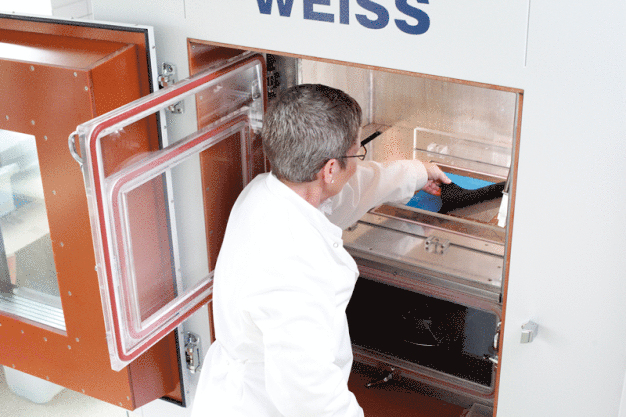
To investigate the interaction between body, climate, and clothing, numerous experiments are conducted in climate chambers under realistic conditions. © Hohenstein Institute
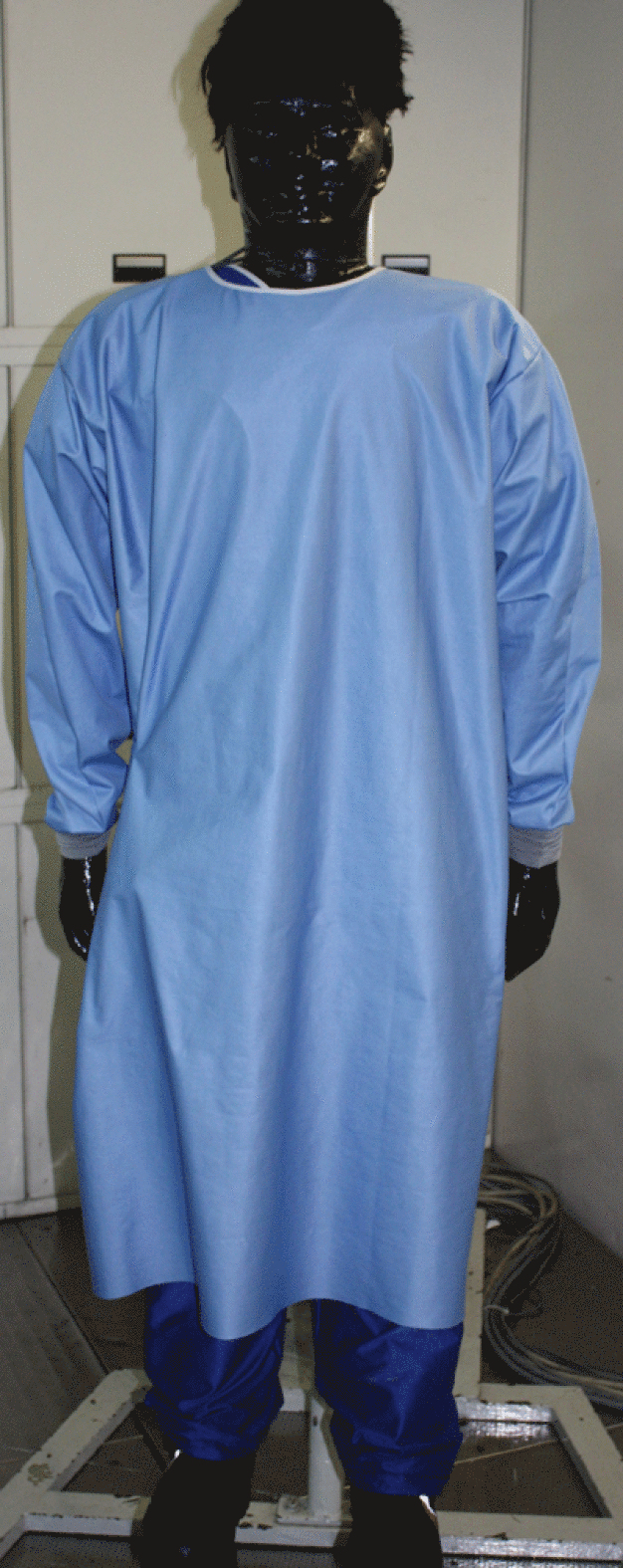
With the help of the thermal dummy "Charlie," key figures related to heat and moisture management (thermal insulation and breathability) as well as moisture transport of all types of clothing can be determined. © Hohenstein Institute
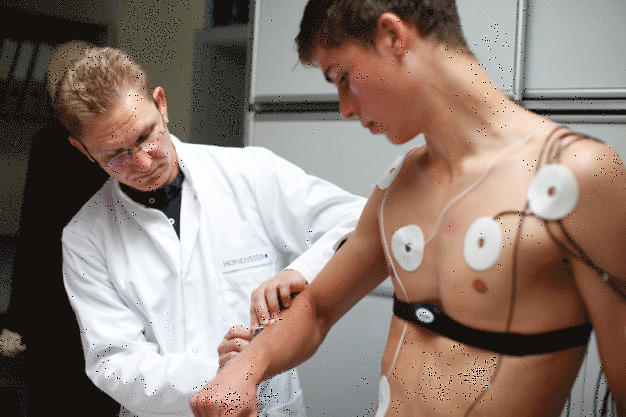
Using the skin model, the Hohenstein Institute tests the thermophysiological properties of textiles. © Hohenstein Institute
In order for reusable protective textiles, such as operating room textiles, to fulfill their purpose, they must meet certain requirements. The primary function of surgical textiles like surgical drapes or covers is their barrier effect, i.e., preventing the transfer of germs between the surgical team and the patient. Single-use products perform the same primary function as reusable products but have significant disadvantages when considering the overall package. Reusable surgical textiles score especially well when a high level of protection is required along with thermo-physiological comfort. Additionally, they are more environmentally friendly in use because, unlike single-use textiles, they do not generate enormous amounts of waste. This issue is becoming increasingly important in healthcare, because: since the implementation of the Circular Economy Act in 2012, hospitals are also required to keep valuable materials in circulation for as long as possible to reduce waste.
To strengthen the positive aspects of reusable protective textiles, scientists from the Hohenstein Institutes developed surgical textiles with significantly improved comfort through optimized textile technological and physiological functions as part of a research cooperation. At the same time, project partner wfk – Cleaning Technology Institute e.V. researched specifically designed gentle reprocessing procedures to ensure the permanent preservation of the textiles' functions. To offset the comparatively higher initial costs of reusable protective clothing, these textiles must undergo at least 50 usage and reprocessing cycles. "In this," explains project leader Dr. Bianca-Michaela Wölfling from the Hohenstein Institutes, "it must always be ensured that the reusable protective textiles do not compromise comfort. Because comfort is precisely the characteristic that positively distinguishes reusable textiles from environmentally friendly single-use textiles. With the innovative reusable protective textiles, reusability now offers real added value."
On the one hand, resource-saving low-temperature disinfection procedures enable savings potential in the reprocessing of reusable protective textiles; on the other hand, the reduced washing temperature and mechanics can not only extend the lifespan by around 25 percent but also ensure the continuous preservation of their functions. Dr. Wölfling clarifies: "This means that the cost-benefit ratio of these reusable surgical textiles is clearly improved by the expected extension of their lifespan to around 75 usage and reprocessing cycles."
The consistently positive outlook for reusable protective textiles, based on the promising results of this research project, is by no means limited to reusable surgical textiles but is currently also being transferred to other reusable products such as station clothing.
In order for reusable protective textiles, such as surgical textiles, to fulfill their task, they must meet certain requirements. The primary function of surgical textiles like drapes or covers is their barrier effect, i.e., preventing the transfer of germs between the surgical team and the patient. Single-use products perform the same primary function as reusable products but have significant disadvantages when considering the overall package. Reusable surgical textiles excel especially when a high level of protection combined with thermo-physiological comfort is required. Moreover, they are more environmentally friendly during use because, unlike single-use surgical textiles, they do not produce enormous amounts of waste. This topic is gaining increasing importance in healthcare, because: since the enactment of the Circular Economy Act in 2012, hospitals are also required to keep valuable materials in circulation for as long as possible to reduce waste.
To enhance the positive aspects of reusable protective textiles, scientists from the Hohenstein Institutes developed surgical textiles with significantly improved comfort through optimized textile technological and physiological functions as part of a research cooperation. Simultaneously, the project partner wfk – Cleaning Technology Institute e.V. researched specifically designed gentle reprocessing procedures to ensure the long-term preservation of these textiles' functions. To compensate for the higher initial costs of reusable protective clothing, these textiles must undergo at least 50 usage and reprocessing cycles. "In this," explains project leader Dr. Bianca-Michaela Wölfling from the Hohenstein Institutes, "it must always be ensured that the reusable protective textiles do not compromise comfort. Because comfort is precisely the characteristic that positively distinguishes reusable textiles from environmentally friendly single-use textiles. With the innovative reusable protective textiles, reusability now offers real added value."
On the one hand, resource-efficient low-temperature disinfection processes enable savings potentials in the reprocessing of reusable protective textiles; on the other hand, the reduced washing temperature and mechanics can not only extend the lifespan by about 25 percent but also maintain the functions consistently. Dr. Wölfling emphasizes: "This means that the cost-benefit ratio of these reusable surgical textiles is clearly improved by the anticipated extension of their lifespan to around 75 usage and reprocessing cycles."
The entirely positive outlook for reusable protective textiles, based on the promising results of this research project, is by no means limited to reusable surgical textiles but is currently also being applied to other reusable products such as station clothing.
To investigate the interaction between body, climate, and clothing, numerous experiments are conducted in climate chambers under realistic conditions. © Hohenstein Institute
Using the thermal manikin "Charlie," key figures related to heat and moisture management (heat insulation and breathability) as well as moisture transport of all kinds of clothing can be determined. © Hohenstein Institute
With the skin model, the Hohenstein Institutes test the thermophysiological properties of textiles. © Hohenstein Institute
Hohenstein Laboratories GmbH & Co. KG
74357 Hohenstein
Germany