


- Translated with AI
By a hair’s breadth
Medical engineering meets injection moulding technology: The story of a perfect symbiosis
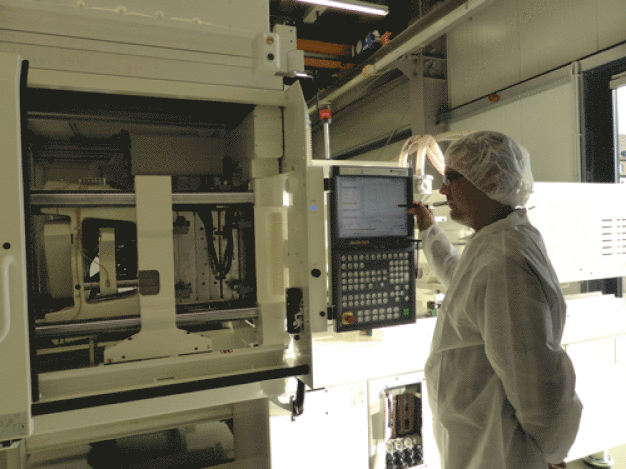
Tobias Lacroix, Head of the Micro Injection Moulding Department, is completely satisfied with the new fully electric IntElect injection moulding machine from Sumitomo (SHI) Demag: "The component must be extremely precise to accommodate the fluidic functional design of the rapid test and thus guarantee a 100% reliable result – and we achieved that with this machine." (Photo: Sumitomo (SHI) Demag) / Tobias Lacroix, Head of Micro Injection Moulding, is more than happy with his new all-electric IntElect injection moulding machine from Sumitomo (SHI) Demag: "The part must be extremely precise in order to accommodate the quick test's fluidic functional design. Only a highly accurate part can guarantee a 100% reliable result – and this machine delivers it." (Photo by Sumitomo (SHI) Demag)
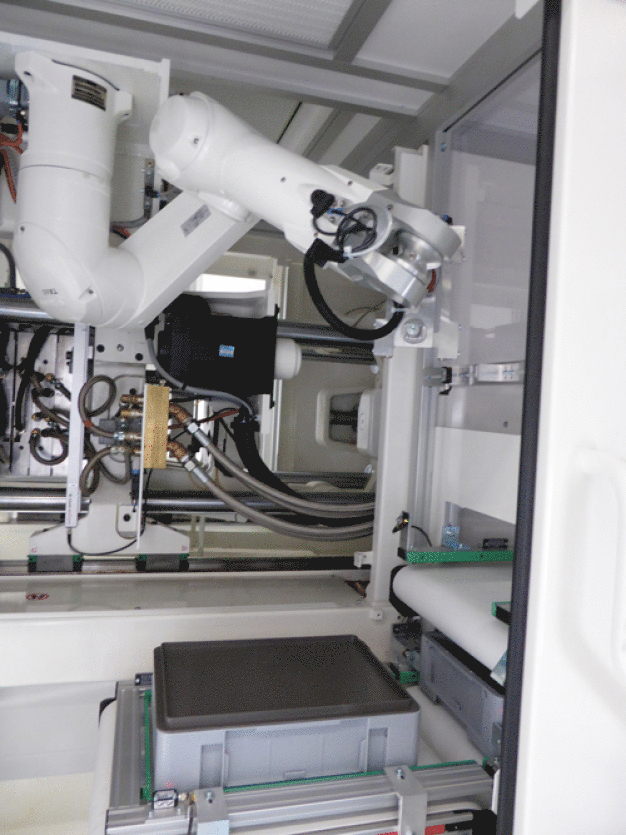
The six-axis articulated arm robot removes the finished test components from the four-cavity mould and then loads them onto a small load carrier. (Photo: Sumitomo (SHI) Demag)
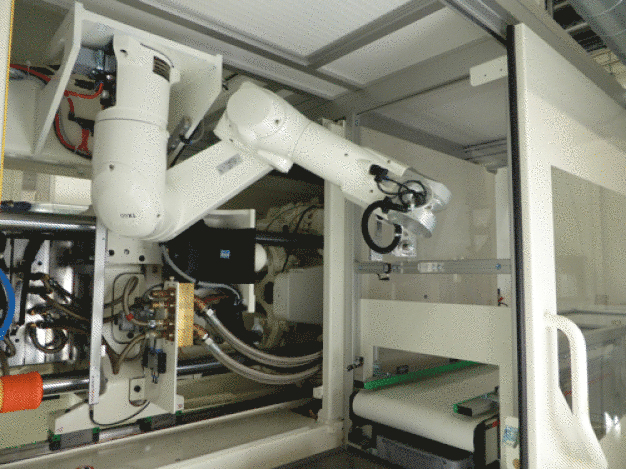
Once the load carrier is completely filled, it disappears on the conveyor belt towards the assembly hall. The entire process is fully enclosed; dust and other contaminants have no chance. (Photo: Sumitomo (SHI) Demag)
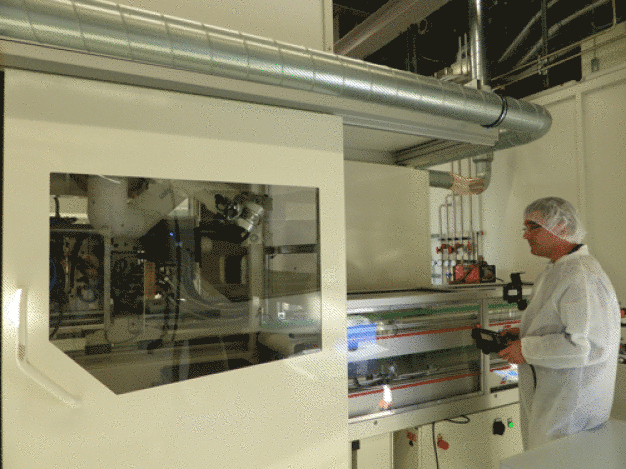
During the active production, the process can only be supervised through a glass window. Under class 7 cleanroom conditions, the injection moulding machine, automation equipment, and assembly must not come into close contact with the operator. (Photo by Sumitomo (SHI) Demag)
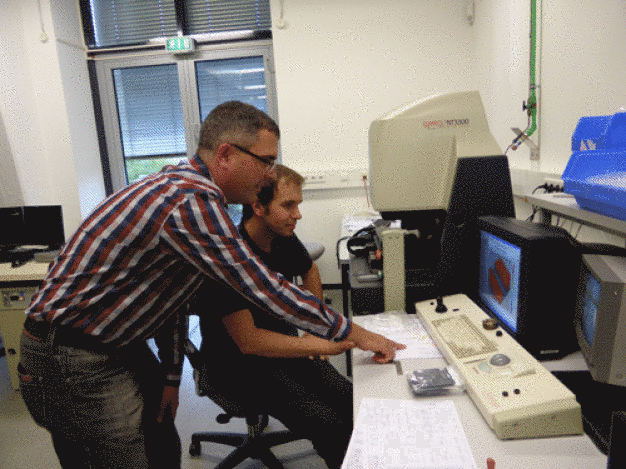
At regular intervals, the machine operator takes samples of the quick test components, which are removed from the production process via the QS tray. These are thoroughly inspected by experts in the in-house test laboratory. (Photo by Sumitomo (SHI) Demag)
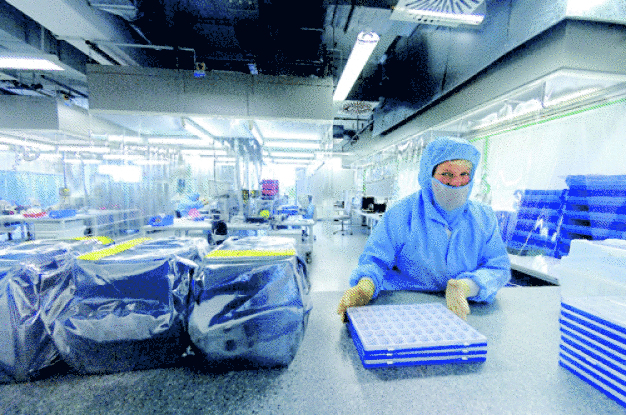
Here is the "masking requirement": The staff assemble and package under Class 7 cleanroom conditions — no hair or dust particles are allowed to contaminate the final products. (Photo: thinXXS) / In this area, people are obliged to wear masks: staff members assemble and package products under class 7 cleanroom conditions — the products must be kept free of contamination from hair or dust. (Photo by thinXXS)
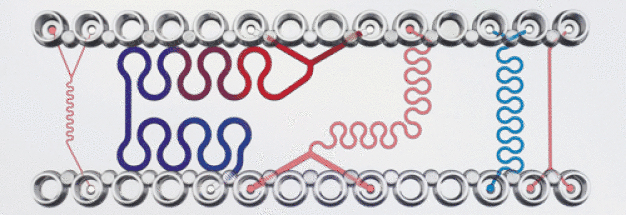
What appears to be a piece from the Museum of Modern Art actually shows the delicate channels and structures of a disposable rapid test – greatly magnified. (Photo: thinXXS) / This is not a work of modern art but a magnified image of the delicate channels and structures of a disposable quick test. (Photo by thinXXS)
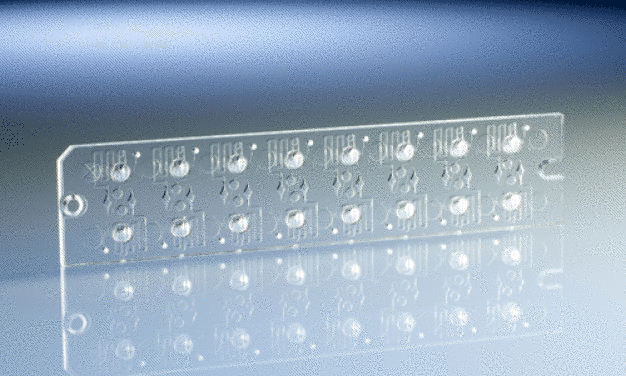
Microstructures that can no longer be resolved with the naked eye are ejected from the injection molding machine with every shot. Each part is almost a clone of its predecessor. (Photo: thinXXS)
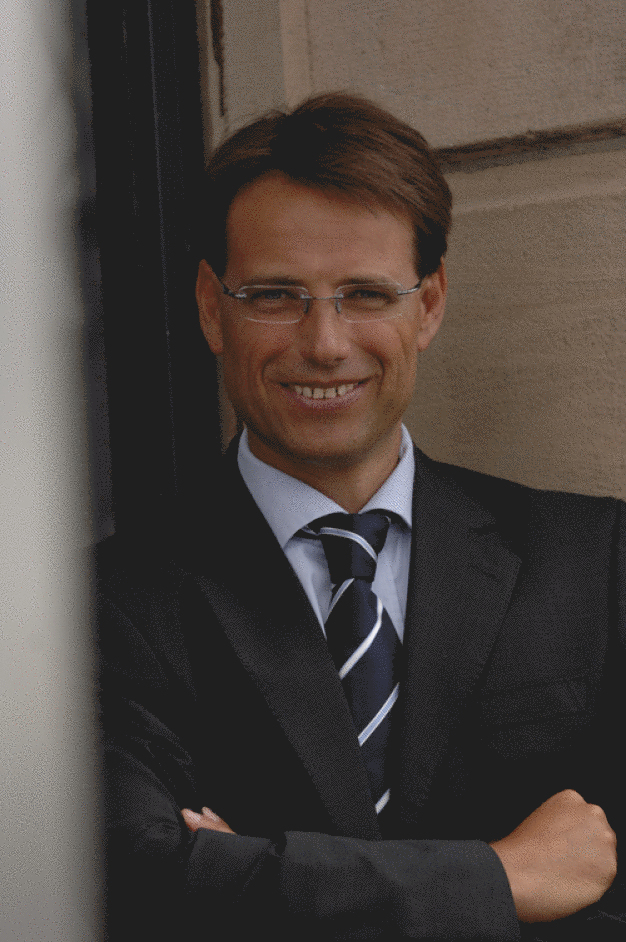
"We are always at our best when it comes to precision." summarizes Board Member Dieter Cronauer the strengths of thinXXS. "We show our customers the way from the initial manufacturing concept to cost-effective mass production of the products." (Photo: thinXXS) / "We excel when high precision is called for. We guide our customers from the initial manufacturing concept right through to cost-efficient large-scale production," sums up Dieter Cronauer, Member of the Managing Board, the key strengths of thinXXS. (Photo by thinXXS)
The staff at thinXXS Microtechnology AG in Zweibrücken/Germany focuses on these specific attributes: minute, delicate and precise. The company manufactures disposable quick-tests for applications such as medical diagnostics for customers from the pharmaceutical and diagnostics segments with a focus on areas such as the identification of bacterial infections or cancer cells in the blood. In order to make these tests viable for laboratories as well as for hospitals and surgeries, the manufacturer must ensure that they are easy to handle and quick. This is where the micro-technology specialist with its production facility near the French border excels.
When it was founded in 2001 as a spin-off venture of the injection moulding department of the “Institut für Mikrotechnik” with headquarters in Mainz/Germany, the company had a total of 13 employees and decided to focus on its core segment. Dieter Cronauer, Member of the Managing Board, explains: “Micro injection moulding and assembly has always been our specialty. This is our field of expertise. Mould engineering is our unique selling point. Our customers know and appreciate this. Some of them even come from as far as California.“ Today, thinXXS has 75 employees. Their injection moulding shop, assembly, logistics and packaging are located in a separate 350 sqm hall and the demand is rising steadily. A total of 90 % of customers are from Europe and the US, among them US companies such as Daktari Diagnostics and Emerald BioSystems, German companies such as DST Diagnostische Systeme & Technologien GmbH and Belgian specialists such as Trinean. “We excel when high precision is called for. We guide our customers from the initial manufacturing concept right through to cost-efficient large-scale production. It is important to know that our customers invest millions in development diagnostics products to understand that they need high profit margins, to ensure that their investment pays off“, Cronauer points out.
Maximum precision is indispensible
The injection moulding shop is at the heart of the company’s facility. The in-house mould making department develops and manufactures moulds with channels and structures in the micrometre range. They produce macroscopic parts with microstructures. These parts are no larger than a credit card. The microstructures in the moulds are produced by ultra-fine precision milling machines according to drafts provided by a team of in-house engineers. The intricate pattern and structures of the minute geometries are no longer visible to the naked eye.
Diagnostics mostly deals with microscopic amounts of substances. A drop of blood must suffice to identify both the infection itself and the level of infection within minutes. Blood and the substance that is integrated into the quick test’s fluid reservoir react and quickly show a result in the separate analysis unit – similar to pregnancy tests. The channels of the plastic part that contains the test must allow the conveyance of a predefined amount of liquid at a predefined speed. Tobias Lacroix, Head of Micro Injection Moulding explains why this is a particular challenge: “The part must be extremely precise in order to accommodate the quick test’s fluidic functional design. Only a highly accurate part can guarantee a 100% reliable result. We are dealing with dimensions less than a hair’s breadth in combination with highly complex geometries.“
The fact that these high-tech parts with microstructures can only be produced by an injection moulding machine that can meet the corresponding requirements is par for the course. During the production of these parts, a particle of dust could wreak havoc. Hence, the entire production process is confined to a cleanroom environment. The injection moulding machine for the production of bacterial quick tests was manufactured by Sumitomo (SHI) Demag Plastics Machinery GmbH of Schwaig/Germany. It operates in a class 8 cleanroom, but is also enclosed in an additional class 7 containment area, where it runs together with the downstream automation equipment. The all-electric Sumitomo (SHI) Demag IntElect 100-180 injection moulding machine is equipped with a handling system and automation system that was also supplied by the general contractor Sumitomo (SHI) Demag.
Part tolerances in the micrometre range
Three different 4-cavity moulds are operated on the machine to produce the parts that are assembled in-house into the final product: a disposable quick test. With a shot weight of about 12 g, the machine produces individual components with a part weight of 2.7 g in a three-shift operation. Two of the component groups are made from uncoloured PMMA, the third group is made from blue coloured polypropylene. “We expected our injection moulding machine to achieve an extremely accurate reproduction of surface detail, a high repeatability and part tolerances in the micrometre range. We also required an automation system which conveys the finished parts directly to the assembly stations and a class 7 cleanroom. We decided to work with Sumitomo (SHI) Demag, because the company’s well thought-out concept was the most convincing and the project timeline adhered to our tight schedule. They offered a keen price-performance ratio and we had already made positive experiences with our existing Sumitomo (SHI) Demag machine. The technical after-sales support of the company’s representatives really is outstanding“, Lacroix explains.
Behind closed doors
The dried pellets are fed to the IntElect’s plasticisation unit via the feeder and metering unit IntElect. The mould – provided by the customer – is heated to 90 °C with water as a medium. The temperature control device is connected to the injection moulding machine via a CAN Bus interface. With an L/D ratio of 20 and a clamping force of 1,000 kN, the IntElect produces the test components within 16 seconds. The controllable activeLock non-return function ensures that no melt flows back into the screw channels after the injection phase has started. Parts such as these need highly precise and reliable processes in order to meet the narrow tolerances required by this application.
A six-axis articulated arm robot manufactured by Stäubli removes the finished parts from the mould and places them in a small storage bin (KLT). When this bin is full, it moves to the conveyor belt and is transported directly to the connected assembly station. The removal area and the conveyor belt are fully encapsulated. The quality of these medical components is inspected at regular intervals: QS staff pushes a button to activate the QS tray, inserts it into the machine, and the robot places the test specimen on the tray, which is subsequently inspected and finally disposed of by the QS team. Sensors monitor the presence of the tray for inspection inside the cabin, they also monitor the deposit station, conveyor belt, robot gripper and the removal of parts from the mould.
The entire process is fully automated and takes place behind closed doors. It can only be observed through a glass window in the cleanroom cabin. Lacroix is truly impressed with his supplier Sumitomo (SHI) Demag: “The complete system is operating with precision and repeatability. Sumitomo (SHI) Demag fully supported us during the GMP validation and we passed the assessment without problems. I found it particularly helpful that our contacts looked after all technical and administrative matters concerning the complete line. I am really happy with everything!“
Sumitomo (SHI) Demag
90571 Schwaig
Germany