



- Furnishing & equipment
- Translated with AI
Joachim Ludwig
With Maß & Ziel
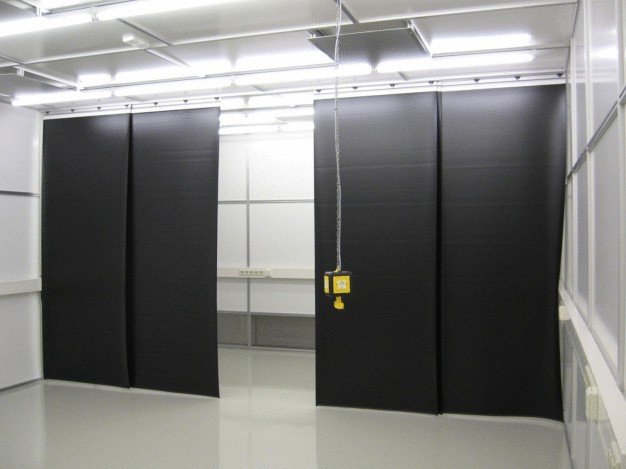
Image 1: Laser safety films do not always provide sufficient shielding, as the wall connection to the cable ducts is not guaranteed.
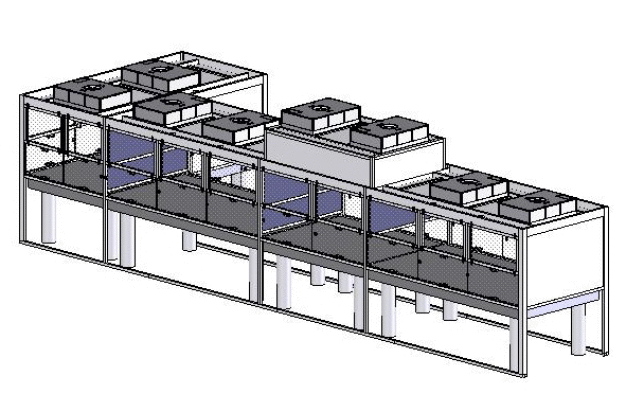
Image 2: CAD model of the mini environment
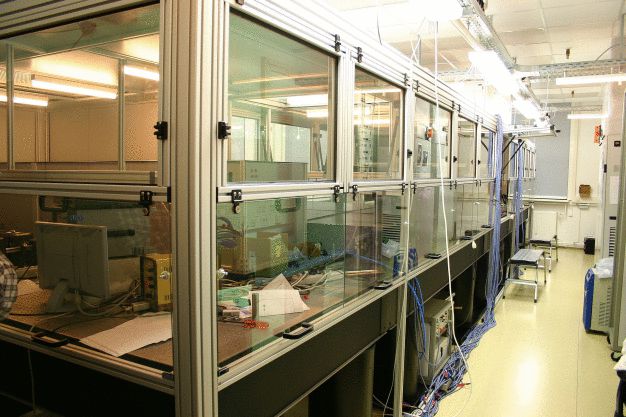
Figure 3: Enclosure of the optical tables in the research operation.
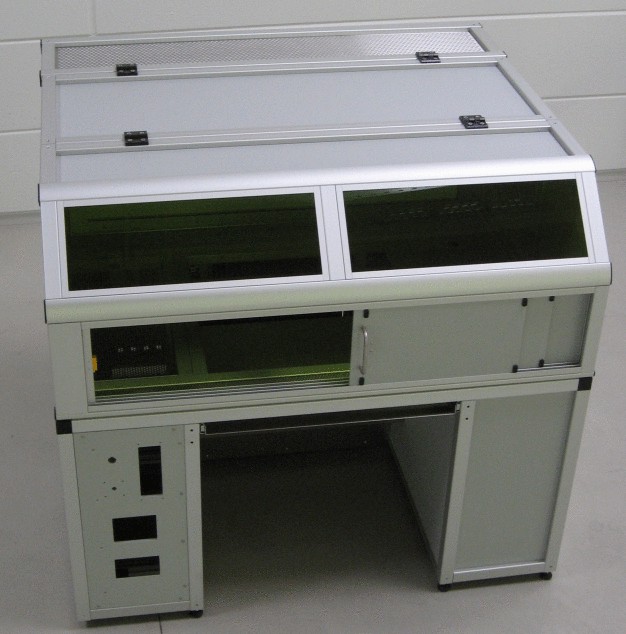
Image 5a: "Microtecfab" for laser applications
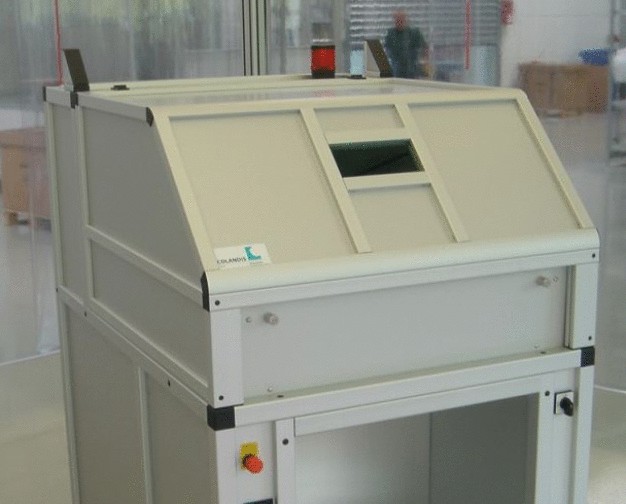
Image 5b: Microtecfab for a similar application
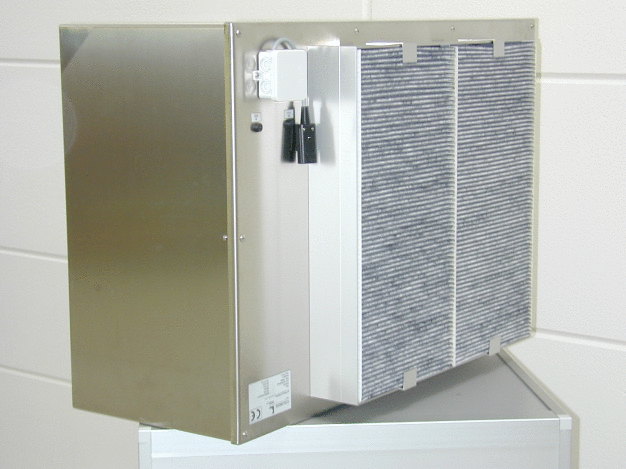
Image 6: Fan filter module with application-specific chemical pre-filtration.
In the application of optical technologies as well as in the manufacturing of optical components and laser modules, cleanliness and cleanroom technology are playing an increasingly important role. However, it is not always necessary to install an expensive cleanroom. Mini environments often provide sufficient protection.
In optical technologies, it is not necessarily about the use of cleanrooms in manufacturing; the term "cleanroom technology" encompasses a whole range of products and services. Nevertheless, the classic cleanroom is often preferred over a pure product or process environment without first considering the processes involved in the entire process chain. Often, only a few processes require increased purity. Enclosing all processes in a cleanroom is never the most cost-effective option in terms of investment and operating costs.
Technical requirements for air purity
The air purity for optical or laser applications is crucial not only in terms of the number of particles in the air or on surfaces. The composition of the particles (material) and the purity of the air regarding molecular contamination (AMC – Aerosol Molecular Contamination) must also be included in the analysis. Regarding electrostatics and electromagnetic compatibility (EMC), it should be noted that a large number of process-specific components, as well as machine and device parts, should be electrostatically dischargeable to reduce the influence of discharges or electromagnetic interference. Components designed accordingly must be selected for the purity solution to be created. Any necessary laser protection measures should be implemented according to the laser class. Here is a brief note on laser safety films as room dividers: Laser safety films do not provide 100% protection against laser radiation, as it cannot be guaranteed that these films will completely separate laser areas from their surroundings (see Image 1). Additionally, if the laser area is subject to a cleanliness regime, these films must be cleaned regularly. Achieving a good cleaning result is difficult because flexible films tend to shift away from cleaning cloths.
A mobile cleanroom, like a fixed installation, is suitable for versatile manufacturing, measurement, and testing tasks, but offers unbeatable advantages in the following scenarios:
- Flexibility
Imagine planning production for only a few weeks or months. In such short timeframes, the economic aspect clearly argues against purchasing a dedicated, fixed cleanroom. It is important that a continuous production flow with consistently high quality is maintained during this period.
- Mobility
In some cases, it may be necessary for the cleanroom to be used flexibly at different locations and for the site to be changed at will. In extreme cases, even on the company parking lot, if that is the only available space.
- Availability
The need to respond quickly and flexibly to new market conditions or customer requirements forces companies to present solutions on short notice. What if a response is needed within a few days or a solution is required to bridge the completion of an in-house cleanroom?
Alternatives to the cleanroom
For an R&D area, several interconnected optical tables should be equipped with an enclosure (mini environment) (see Image 2). The following parameters should be implemented:
- Air cleanliness class: ISO 6
- No connection to the optical table (vibration decoupling)
- Foldable air curtains made of conductive tempered safety glass for unobstructed access to all table areas (ESD), no films
- Fan technology in the fan-filter modules powered by direct current (EMC)
- Lighting without EMC interference
Initially, the focus was on selecting the necessary number of fan-filter modules, considering the existing contamination sources inside the enclosure. The ceiling grid was chosen so that a certain number of modules could be retrofitted without additional effort for conversion.
No connection to the optical table
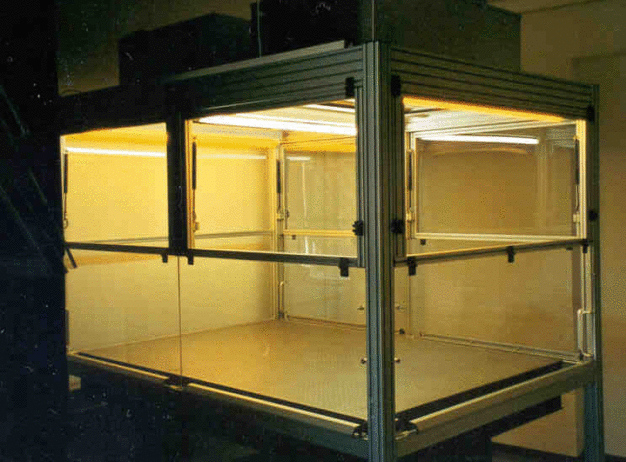
The entire mini environment was built on supports (see Image 3). The enclosure has a continuous gap to prevent mechanical contact with the optical table. This provided sufficient vibration decoupling. The gap is also necessary to define the airflow into the interior. Since it is important for research projects to make quick modifications to the experimental setup, the gap was used to quickly pull cables or hoses inside.
Foldable air curtains
As a side barrier, films were deliberately omitted to allow an unobstructed view into the interior of the enclosure. Additionally, outgassing and odors caused by films were avoided. The upward-folding curtain system allows staff to open the side surfaces partially or completely without obstruction from the films. The electrostatically dissipative coating of the glass, which also does not easily clean off over time (unlike films or plastics), meets all electrostatic requirements. It has also been found that this coating reduces electromagnetic interference from the surrounding environment to a minimum inside the enclosure.
EMC and laser protection
To minimize any influence from electromagnetic radiation, the fan technology was consistently designed with DC motors. The necessary power electronics were installed in the adjacent room. Lighting was provided via LED light strips, which would now be implemented with LED lighting.
According to the classification into a low laser safety class, surfaces exposed to primary radiation were made of black anodized aluminum. For surfaces exposed to secondary radiation, tempered safety glass was sufficient (see Image 3).
Laser applications with higher laser power
For cleanliness solutions for laser applications with higher laser power or higher laser safety classes, two aspects must be considered: Laser safety must be comprehensive and airtight. If insight into the process chamber is required, appropriate laser safety windows should be used. All enclosure parts should incorporate so-called (laser) light traps. In the BMBF project "Profam," the laser module of the manufacturing line "microtecfab" was developed (see Images 5a and b).
This module can be seamlessly integrated into a corresponding manufacturing line without neglecting laser safety. The air cleanliness class inside the module was verified as ISO 4 during full operation. Lasers are usually used in conjunction with optical systems. The surfaces of the optics are therefore exposed to high energy from the laser beam. Hydrocarbons and other molecular compounds in the air are "cracked" by the laser power and then deposit as carbon on the optical surfaces. This results in increased regular cleaning requirements. However, with an appropriate air filtration system, the cleaning interval can be extended (see Image 6).
A word on optical manufacturing
Few manufacturing processes generate as many particles as optical polishing does. So why is there a focus on clean, defined environmental conditions during polishing? It is less about the number of particles itself and more about the number and size of foreign particles that do not originate from the polishing medium. These foreign particles can create micro-scratches on optical surfaces, negatively affecting optical quality. This raises another question: high purity is achieved through a supply of pure air via a filtration system and a high air exchange rate, promoting clean air for the process and removing contaminated air. However, this creates fluctuations in air temperature, which can hinder precision processing of optical surfaces. Processing within the Λ/4 range is therefore almost impossible. The challenge is to resolve this contradiction through a coordinated technical solution.

COLANDIS GmbH
Im Camisch 34
07768 Kahla
Germany
Phone: +49 36424 76940
email: info@colandis.com
Internet: https://www.colandis.com



