



- Buildings & Rooms
- Translated with AI
Quality pays off
Rubber floors from nora systems score well in lifecycle costs
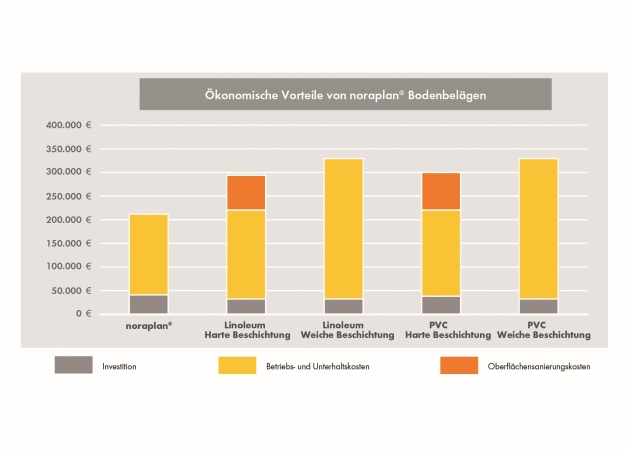
The flooring solutions from nora systems stand out due to low operating and maintenance costs. Additionally, the costs for surface renovation are eliminated.
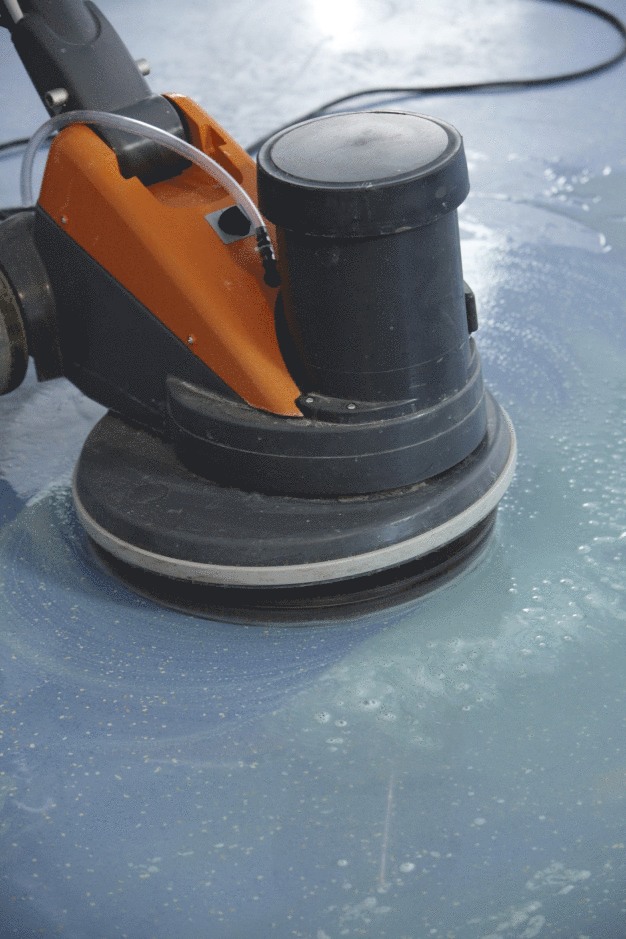
Whether with the machine or manually: The uncoated nora floor coverings are easy to clean.
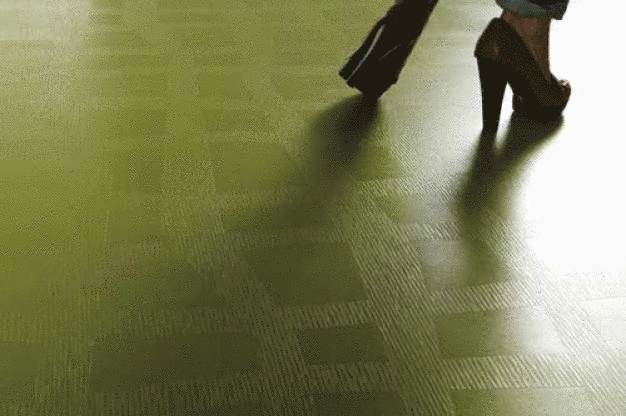
Nora flooring reduces footstep noise on the floor due to its permanent elasticity and thus creates a quiet atmosphere in the room.
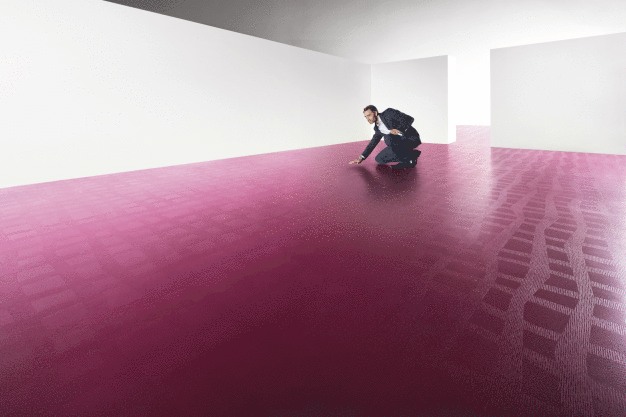
Nora rubber floors are extremely durable due to their extremely dense surface, and the high-quality appearance remains intact for decades.
The cheapest product is not always the most cost-effective solution in the long run. When deciding on the equipment of buildings, the consideration of lifecycle costs is increasingly coming into focus. Because through forward-looking planning, maintenance costs can be significantly reduced over decades. This is especially true for flooring: while wall paints or wallpapers are usually renewed at shorter intervals, the floor covering generally remains in the building for many years. The importance of choosing a high-quality product is reflected in the purchase price: it accounts for only about ten percent of the total lifecycle costs of a floor, while more than 90 percent are spent on maintenance, i.e., care and cleaning (see graphic). That is why architects, building owners, and users worldwide often choose rubber floors "Made in Germany" from nora systems.
Durable, economical, and sustainable
In construction projects, the floor is one of the last trades to be completed. The decision for a product is usually made quite late. Often, budgets for other installations have already been largely exhausted by then. "In this case, the temptation is great to simply choose the cheapest flooring without considering factors such as maintenance costs or lifespan," explains Uwe Bauer, Head of Application Technology at nora systems. Additionally, the purchase costs and maintenance costs are often paid from different budgets, and decision-makers only look at their own area of responsibility. In the following years, it often turns out that the supposedly cheap product is very expensive in the long run, especially regarding costs for cleaning, recoating, or renovation.
Choosing a high-quality product like nora systems' rubber floors pays off in the long term when considering lifecycle costs. Especially in high-traffic buildings, the requirements for the floor covering are very high. It must be particularly durable and easy to clean cost-effectively. Factors such as environmental friendliness and ergonomic comfort also play a major role. nora floors are extremely resistant and easy to maintain due to their dense surface, and they do not need to be coated — a significant advantage. This not only saves time and money that would repeatedly be spent on recoating. In many buildings — especially hospitals, but also industrial facilities — it is nearly impossible to temporarily shut down areas for deep cleaning and applying new coatings. Rubber flooring, on the other hand, allows continuous operation — 24 hours a day, seven days a week.
The extreme wear resistance and durability of rubber floors, which still look almost new after years of intensive use, also make a significant contribution to sustainability. If the floor covering needs to be replaced ten times during the average lifespan of a building of 70 years, this has a more negative impact on sustainability assessments than if it only needs to be replaced two or three times.
Certified environmentally friendly and comfortable
In many public tenders, the use of environmentally safe building materials is already required. nora rubber floors contain neither plasticizers (phthalates) nor halogens and were the first elastic floor coverings to be awarded the "Blue Angel... because of low emissions" in 2006 — thus also contributing to good indoor air quality. Due to their permanent elasticity, rubber floors also protect backs and joints, and significantly reduce impact sound. With their appealing appearance, high ergonomic comfort, and good acoustics, nora floors create a feel-good environment for building users. At the same time, they offer builders and investors a high level of security through their cost-effectiveness and longevity.

nora systems GmbH
Höhnerweg 2-4
69469 Weinheim
Germany
Phone: +49 6201 2743934
Mobile radio: +49 172 6330484
email: frank.baehr@nora.com
Internet: http://www.nora.com