


- Building technology
- Translated with AI
Preserve the past with clean air
The Art of Air Purification
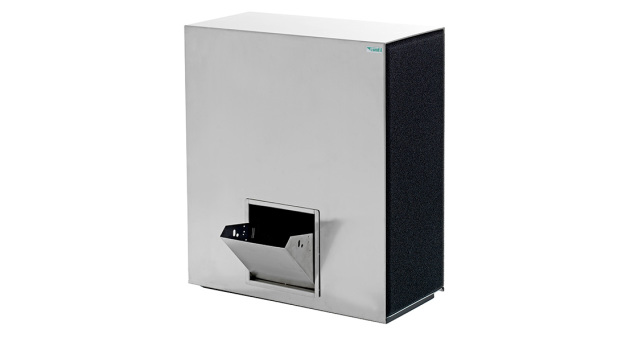
Air purifier CC 800 (Image: Camfil)
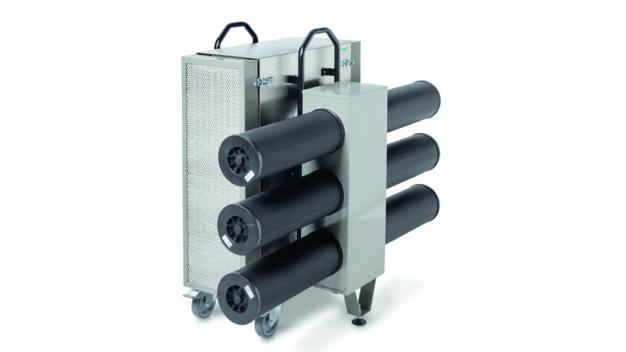
Air purifier CC 2000 in mobile version with activated carbon attachment for efficient and quiet air purification of particles and gases in large indoor spaces. (Image: Camfil)
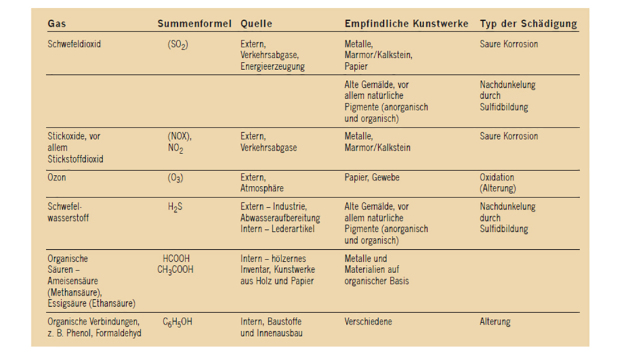
Table 1: Gaseous pollutants, their sources, and effects. (Image: Camfil)
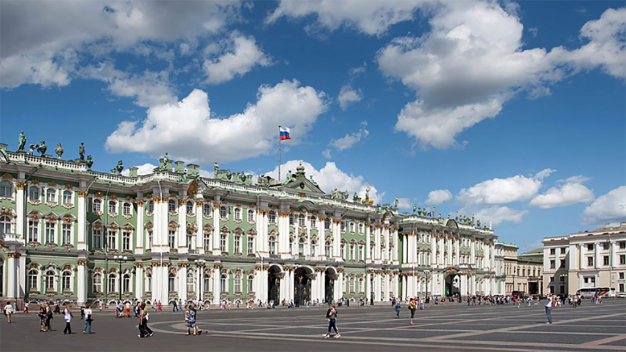
The State Hermitage Museum in Saint Petersburg. (Image: Camfil)
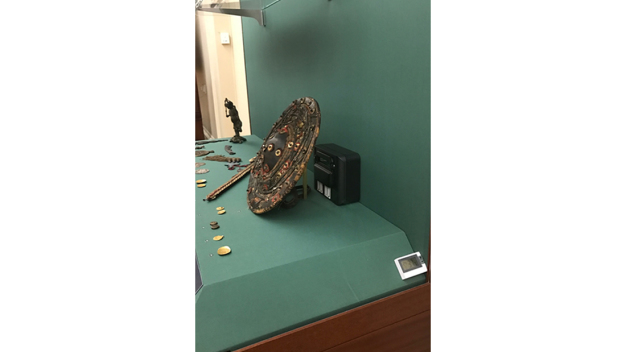
ISA-Check II in the coin collection of the Hermitage. (Image: Camfil)
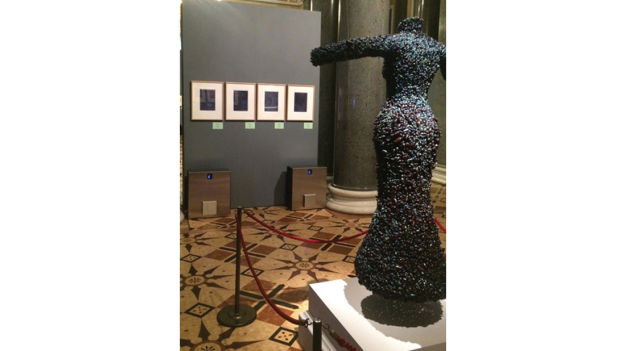
Air purifier CC 800 on display. (Image: Camfil)
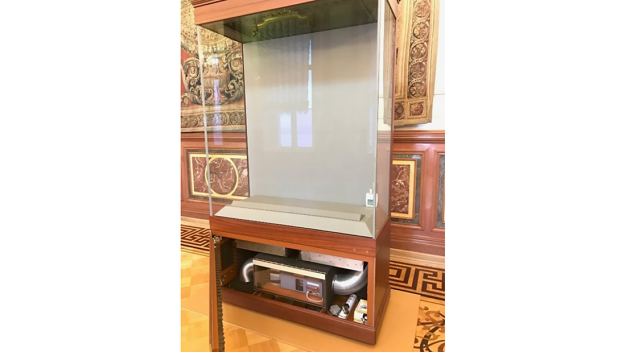
CityCarb and MiniClima device in a display case. (Image: Camfil)
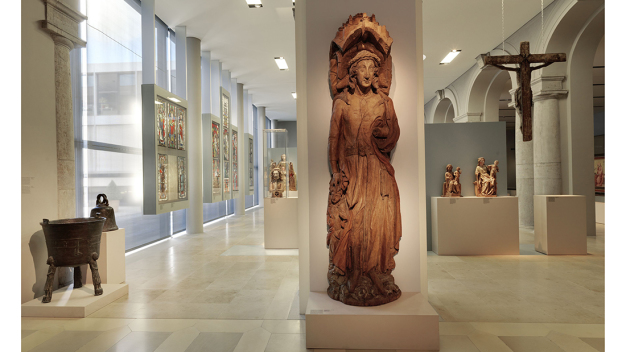
The Germanisches Nationalmuseum Nuremberg is the largest cultural history museum in the German-speaking world, with 1.3 million objects on 25,000 m² of exhibition space. (Image: Camfil)
In many federal states, museums are reopening, and many people are taking advantage of this to visit. To keep the displayed artworks in good condition and preserve centuries of history, air quality is one of the most important factors in museum maintenance management. Accordingly, high demands are placed on air purification systems in this area.
Critical parameters for air quality in museums include temperature, relative humidity, lighting, particle load (dust), molecular (gas-phase) pollutants, and pests. Various filtration solutions are available, but molecular filtration offers a particularly
cost-effective method for controlling harmful pollutants that could otherwise have devastating effects. For example, sulfur dioxide weakens old paintings, nitrogen oxides corrode bronze and stone sculptures, and ozone accelerates the wear of paper, textiles, and other organic materials. Molecular filtration with activated carbon can control these harmful gases. Microporous activated carbon consists of a network of interconnected fissures and pores. When a gas molecule collides with the carbon surface, an attractive force is created, which persists.
Camfil has developed and supplied air filtration systems for many renowned museums and art galleries worldwide, including the Germanisches Nationalmuseum in Nuremberg, the Kunsthistorisches Museum in Vienna, the Uffizi Gallery in Florence, and the Hermitage in St. Petersburg.
Germanisches Nationalmuseum, Nuremberg: Solving Diverse Air Problems
The Germanisches Nationalmuseum in Nuremberg houses more than 1.3 million objects and has an exhibition space of 25,000 m². It is the largest cultural history museum in the German-speaking world—and also a research museum. Here, art and culture are innovatively researched in their international networks and vividly communicated to visitors through dialogic educational experiences.
In Practice
Many of the artworks are a primary source of particles and gases when moved or cleaned, which led to respiratory issues, nausea, and eye irritation among staff. Also, dust-binding semi- and lightweight metals were found in high concentrations, especially in the museum's photography department, where objects are photographed and documented. Furthermore, the working environment was affected by the use of flash photography, which resulted in high ozone emissions. The oversized ventilation system of the museum also caused strong dust turbulence.
The Solution
Subsequently, the CC 2000 air purifier from Camfil was selected to significantly reduce particle and gas concentrations, as it is equipped with HEPA filters (High Efficiency Particulate Air) that capture dust particles and microbes. The system for the museum was custom-designed with a six-cartridge activated carbon filter insert for particle and molecular filtration in a mobile configuration. The CC 2000 air purifier is thus flexible and easy to move within the museum.
Hermitage, St. Petersburg: Corrosion Protection & Clean Air
The state Hermitage Museum in St. Petersburg, Russia, is the second-largest art museum in the world and houses one of the most significant art collections. The unique collection is housed in approximately 350 rooms across six interconnected historic buildings, embodying Russia's love for art and culture and presenting over three million objects from around the world.
In addition to dust and particles generated during restoration work, which require more intensive cleaning and can damage the exhibits, there are other requirements. The museum is located in the center of St. Petersburg and is exposed to a very high concentration of air pollutants from vehicle exhaust, coal combustion, and industrial processes. Nitrogen dioxide and other pollutants, typically volatile organic compounds (VOCs), form ozone under sunlight, which can cause irreversible damage and pose a risk to the exhibits.
Camfil conducted air quality tests to determine the amount of existing particles and molecular pollutants in the museum. Real-time measurements of air corrosivity are crucial for effective protection of valuable cultural assets. ISA-Check II is a corrosion sensor that provides advanced real-time insights, which can be converted into corrosion depth and rate. Regular monitoring of particulate and molecular contaminants in the Hermitage using ISA-Check II, TSI particle counters, and Giga-Check analysis systems provided valuable information about the indoor air quality standards.
The solution for the museum was a combination of various systems. City-Flo filters were installed in the HVAC systems. These filter systems are supported by CC 800 air purifiers in selected areas, as well as filtration solutions in display cases.
Museum Ventilation: Installation and Implementation
The main building and exhibition areas of the Hermitage are now equipped with City-Flo filters, which complement the existing ventilation system, leading to energy savings, efficient performance, and healthier air quality with less dust and fewer harmful particles. Additionally, devices from MiniClima and the Camfil CityCarb Triple-Box Filter were used to protect all museum display cases from high humidity.
Some halls and restoration workshops of the Hermitage were not or insufficiently ventilated. Camfil air purifiers are now used here. The CC 800 air purifiers reduce pollutant and dust loads, ensuring a high level of cleanliness and indoor air quality. This benefits both the preservation of artworks and the health and well-being of staff and visitors. The initial results were impressive, and today, more than 100 Camfil air purifiers are in use across exhibition halls, restoration workshops, and storage rooms in the Hermitage.

Camfil GmbH
Feldstr. 26 - 32
23858 Reinfeld
Germany
Phone: +49 4533 2020
Fax: +49 4533 202202
email: info.de@camfil.com
Internet: http://www.camfil.com