

- Translated with AI
No one is pure
Stainless steel, resistant to rust, scores points in hygiene systems
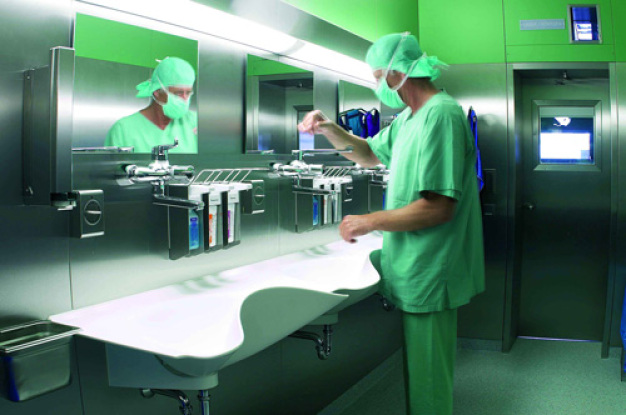
In the fight against antibiotic-resistant pathogens, experts in hospitals rely on a systemic hygiene concept that includes hygiene measures and stainless steel surfaces.
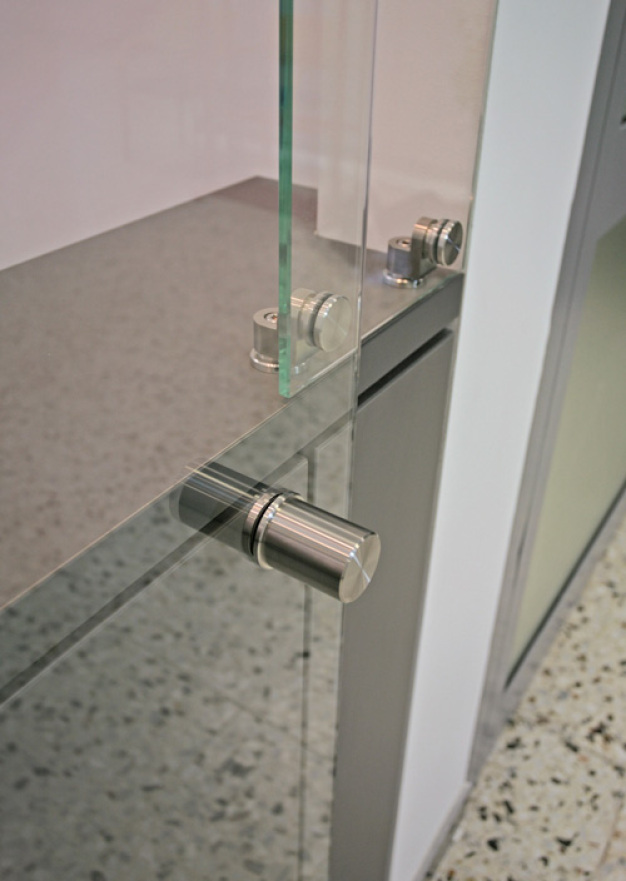
Often touched surfaces such as door handles are considered particularly prone to contamination – stainless steel, especially rust-free, scores here with its exceptional germ resistance.
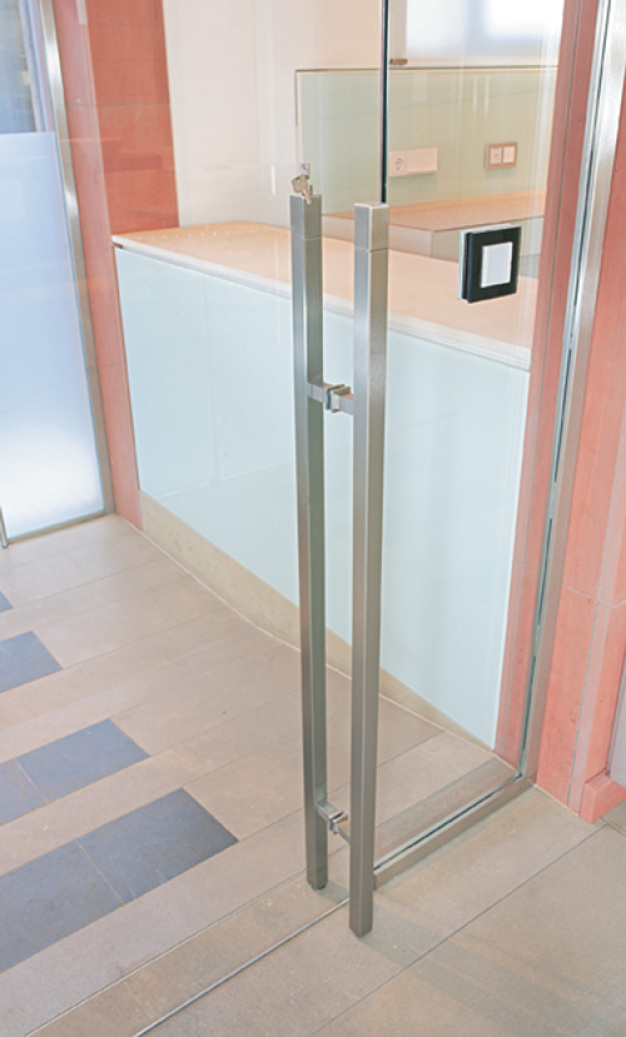
Often touched surfaces such as door handles are considered particularly susceptible to contamination — stainless steel, especially rust-free, scores here with its exceptional germ resistance.
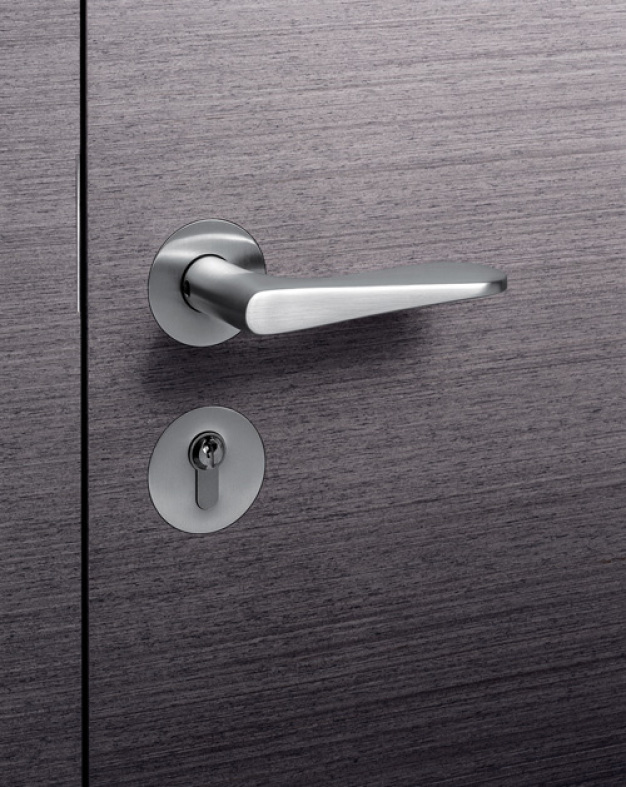
The particularly smooth and inert stainless steel surface is permanently scratch- and abrasion-free and provides no foothold for germs.
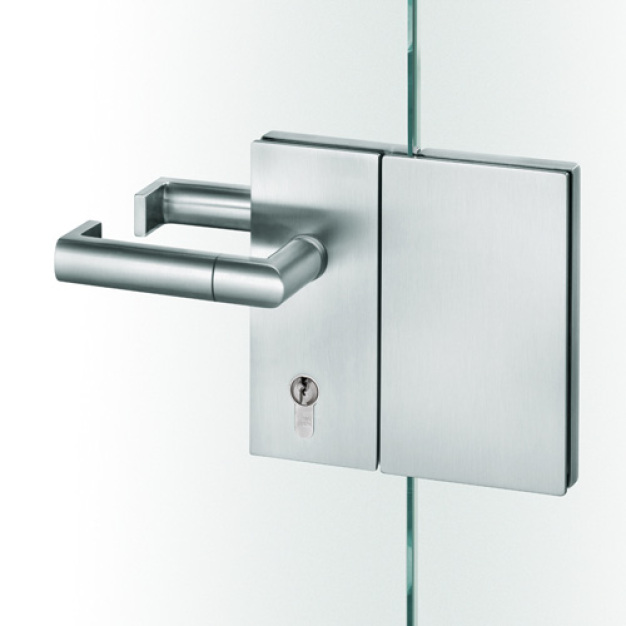
The particularly smooth and inert stainless steel surface is permanently scratch- and abrasion-free and provides no foothold for germs.
The numbers are alarming: The number of infections with dangerous hospital germs increased by almost one-third in North Rhine-Westphalia alone in 2011. 572 cases were registered nationwide in the first half of the year, 32 more than the semi-annual average. A trend that is observed throughout Europe.
Antibiotic-resistant pathogens, primarily "Staphylococcus Aureus" (MRSA), occur especially frequently in hospitals and lead to severe infections in immunocompromised patients – not infrequently with fatal outcomes. The main mode of transmission is direct contact via the hands. Therefore, frequently touched surfaces such as door handles, light switches, bed frames, nightstands, or sanitary fixtures are considered particularly contamination-prone in clinics and medical practices. Germs can survive there for extended periods. Numerous studies therefore focus on the properties of surfaces where bacteria tend to settle and be transmitted, as well as the systematic use of cleaning and disinfecting agents.
Hygiene with a System
Current solutions rely on a systemic hygiene concept that holistically considers all hygiene measures, materials used, and surfaces for effective germ prophylaxis. According to experts, stainless steel (rust-free) surfaces offer excellent conditions for this concept due to their special material properties. Rust-free stainless steel does not release any metal ions into the environment, thereby safely excluding the associated unpredictable risks. The particularly smooth and inert stainless steel surface is permanently scratch- and abrasion-free. This hard and homogeneous surface allows for the sustained maintenance of the highest hygiene standards.
Feared Biofilm
Since stainless steel is also resistant to acids and alkalis thanks to its passive layer, no interactions occur between the metal surface and cleaning agents. Thus, even with frequent contact with disinfectants and cleaning agents, no biofilm with residual germs forms on stainless steel. Additionally, the inert stainless steel surface reliably prevents reactions with atmospheric oxygen or even rust.
Stainless Steel as a Universal Weapon
Given the continually rising number of infections with multi-resistant germs, it is all the more important not to consider individual properties in isolation. The holistic approach combines the permanently consistent, high chemical and mechanical durability of rust-free stainless steel with quality seals and effective cleaning and disinfection systems. Furthermore, the North Rhine-Westphalia Ministry of Health launched an Hygiene Action Plan in January of this year, allocating 1 million euros for it. The goal of this plan is to increase awareness about MRSA among the population and to provide targeted training for healthcare personnel. Some clinics are also investing significant amounts, such as the Augusta Hospital in Bochum, which is investing 2.5 million euros in establishing a new central sterilization unit.
Trademark Association Stainless Steel Rustproof e.V.
The internationally protected trademark Stainless Steel Rustproof has been awarded since 1958 by the Trademark Association Stainless Steel Rustproof e.V. to processors and specialist companies. The currently over 1,000 member companies commit to the correct use of materials specific to products and applications and to proper processing. Misuse of the trademark is sanctioned by the association.
Warenzeichenverband Edelstahl Rostfrei e.V.
40237 Düsseldorf
Germany