

- Building technology
- Translated with AI
New ISO 16890 requires a rethink when purchasing air filters
Camfil products already meet the recommendations of VDI and SWKI for more efficient fine dust absorption in the PM1 range.
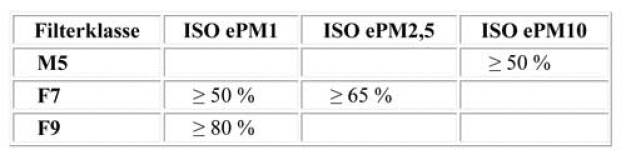
Table 1: Recommendation of the VDI/SWKI Expert Working Group "Air Filtration" for all comfort HVAC systems
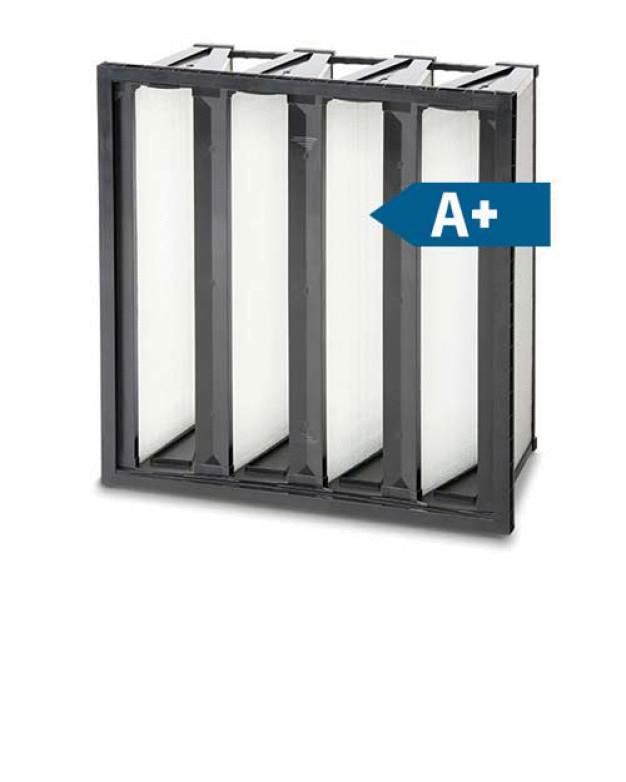
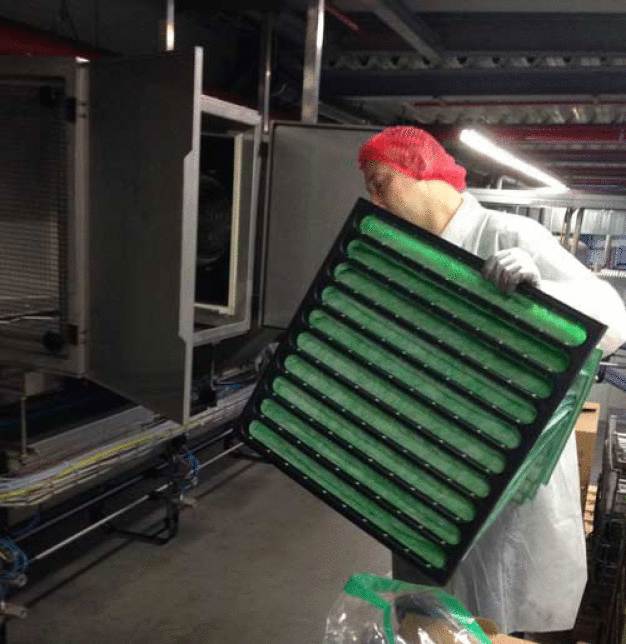
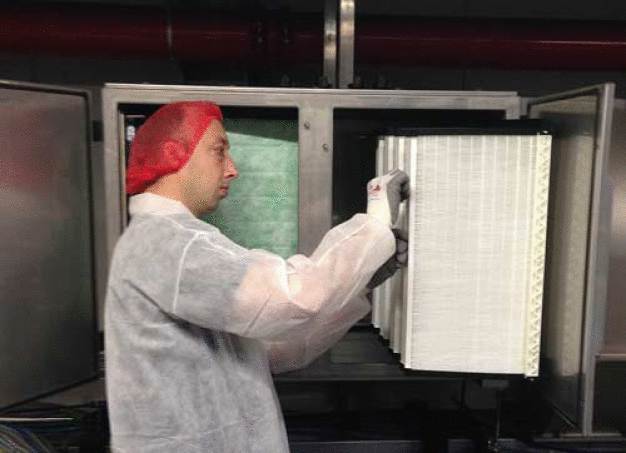
The ISO 16890 replaces the current EN779 classification of air filters starting in 2017. This has created the prerequisite to evaluate product performance based on realistic operating conditions rather than solely on theoretical comparisons[1]. According to VDI and SWKI[2], the final filter stage must in the future be equipped with filters of the new ISO ePM1 ≥ 50% class. Camfil already provides product solutions today to address the questions expected from planners and users of HVAC systems.
After the granted transition period of 18 months, the new standard will bring significantly changed selection and purchasing conditions for every user. Therefore, VDI and SWKI have adopted a translation key to guide the transition from the old to the new filter class system:
Recommendation of the VDI/SWKI Expert Working Group "Air Filtration" for all Comfort HVAC systems
see Table 1
Additionally, the final filter stage must in the future be equipped with at least an ISO ePM1 ≥ 50% filter. This means that for single-stage HVAC systems, the general equipment should include filter media of the new ISO ePM1 class.
"We very much welcome this recommendation. It finally effectively mitigates the risk to people from lung-penetrating fine dust in public, commercial, or industrial properties," says Tobias Zimmer, Global Product Manager Comfort at Camfil.
Question: Future-oriented product developments
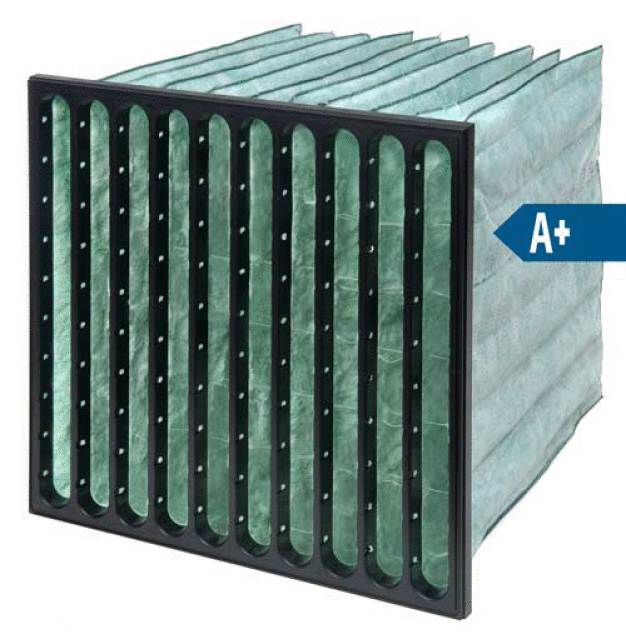
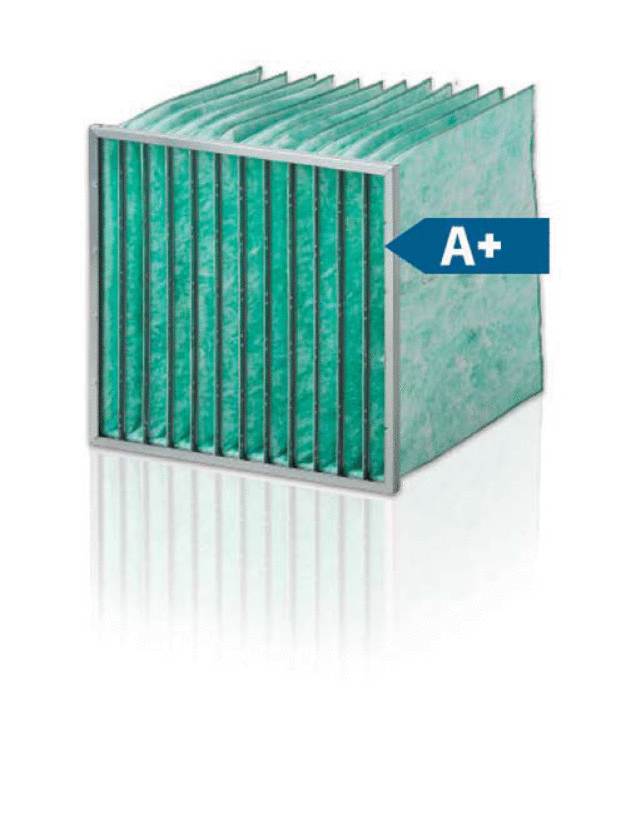
The transition is not as significant if the air filters already used today meet the new requirements. This is the case, for example, with Camfil products of the still valid filter class F7. They already meet the requirements of the new ePM1 group and are thus suitable for the use in the final filter stage of HVAC systems as recommended by VDI and SWKI.
With Hi-Flo M7 50+, Opakfil ES, and Hi-Flo XLT7/670 50+, the innovative manufacturer even offers three different filter types that are currently unique on the market, combining high efficiencies and long service lives with optimal energy efficiency.
"A good F7 filter should meet the new ISO ePM1 group; meaning it should be able to filter out at least 50 percent of all particles under one micrometer. Many of our F7 air filters, however, are capable of filtering 60 percent or more at comparably low lifecycle costs," explains Zimmer.
The correspondingly cleaner indoor air has a particularly positive effect on health, vitality, and the performance capacity of all people present and working in these environments.
[1] The efficiency according to EN779 referred exclusively to particles with 0.4 μm.
[2] VDI Association of German Engineers, SWKI Swiss Association of Building Services Engineers

Camfil GmbH
Feldstr. 26 - 32
23858 Reinfeld
Germany
Phone: +49 4533 2020
Fax: +49 4533 202202
email: info.de@camfil.com
Internet: http://www.camfil.com