




- Building technology
- Translated with AI
Molecular filtration protects lives
In-vitro fertilization

Good indoor air quality can be directly related to the success rate of the IVF procedure. (Image: Camfil | Fotolia)
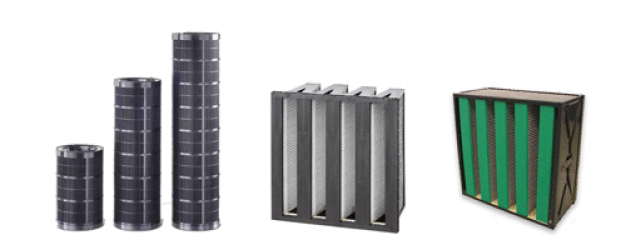
Recommended air filter products include, for example: CamCarb filter cartridges and compact filters CityCarb and GigaPleat. (Image: Camfil | Fotolia)
Many couples wishing to have children have been helped through artificial insemination using the IVF procedure (In-vitro Fertilization, German: artificial fertilization). In developed countries alone, around 15 percent of couples suffer from impaired fertility. According to scientists, these problems can be attributed to stress, environmental pollution, poor nutrition, sexually transmitted diseases, and obesity. It is expected that this situation will become even more significant in the coming years.
Since the birth of the first "test-tube baby" in 1978, the IVF method has been used more and more frequently. Essentially, the IVF method involves the manual process of artificially fertilizing an egg with a sperm cell in the laboratory. If the IVF procedure is successful, this process is combined with the so-called embryo transfer procedure. In this step, the embryo is directly inserted into the uterus.
Creating a suitable environment for fertilization is one of the most important steps in IVF. Polluted air in IVF facilities is a serious problem because air quality in laboratories and clinical treatment rooms can have a significant impact on the quality and survival chances of the embryo as well as the clinical outcome of IVF treatment. For these environments, the Molecular Contamination Control segment of Camfil offers effective filter solutions.
Numerous IVF clinics in industrialized nations have developed into profitable businesses, and the "success rate" of their IVF procedures and their reputation are central decision criteria for couples seeking a suitable clinic.
Protection against harmful molecular contaminants
Good indoor air quality can be directly related to the success rate of the IVF procedure. Various gases or groups of gases are considered problematic, including volatile organic compounds (VOCs), aldehydes, formaldehyde, nitrogen oxides, and styrene.
Molecules with toxic effects on human cells are called cytotoxic. Such cytotoxins can destroy the outer cell membrane or prevent the growth and division of the cell.
After fertilization, the human egg divides into two, then four, and finally eight cells. With the subsequent differentiation of cell types by shape and function, the process of cell division continues. This initial stage outside the female body, where the cell count is lowest, is the phase in which any exposure to molecular pollutants (cytotoxins) poses the greatest risk. Therefore, safety measures to minimize such pollutant exposure must be integrated into the IVF process. Before implantation into the uterus, molecular filtration of the clinic air provides an essential protection for the embryo.
Molecular filtration in the building ventilation system
Molecular filters can be used at different points within the ventilation system to account for various gas sources: they can prepare the fresh air supply and remove high concentrations of pollutants from external sources, as well as treat recirculated or return air and filter out residual concentrations of pollutants from internal and external sources. To ensure optimal use of molecular filters, pre-filters must be used to protect against fine dust. The recommended filter class is at least ePM1 50 percent (ISO 16890) or MERV 13 (ASHRAE 52.2).
Wide range and targeted adsorption
The composition of the chemical cocktail in the air is extremely complex and variable. For this reason, molecular filtration is based on the use of an adsorption medium with a broad spectrum of action, which filters out over 99 percent of the various molecules from the air.
However, even broadband adsorption media cannot remove up to 50 relatively common gases. For this purpose, a specially chemically impregnated adsorption medium is required to selectively filter out individual molecules or groups of molecules. A multi-layer configuration offers higher performance and lower lifecycle costs compared to a solution with mixed media, provided that space and pressure loss constraints allow.
Recommended air filter products
Some experts in IVF clinics are, of course, aware of the problems caused by the "outgassing" of molecular contaminants from building materials. Increasingly, they are raising the standards for controlling molecular pollutants. Consequently, there is a desire for filters to be as free of molecular outgassing as other parts of the clinic equipment. A similar trend can also be seen in the microelectronics industry, where such requirements have been standard for several years. For such situations, Camfil offers GigaPleat filters, which are made only with materials proven to have low outgassing properties. Additionally, if necessary, each GigaPleat filter can be tested for outgassing as a complete device before leaving the factory. CamCarb, CityCarb, and CitySorb possess unique properties, from high adsorption capacity to combined removal of particles and molecules, meeting all requirements for fresh and recirculated air filtration in IVF clinics.
Support services for IVF clinics
As a specialized company, Camfil offers a comprehensive range of support services to help clinics maximize the benefits of molecular filtration. These services include passive sampling devices for determining gas concentrations in ventilation systems and sealed rooms, performing Gigacheck and Gigamonitor techniques to analyze samples of used molecular filtration media, monitoring residual service life, and planning filter replacements.
Camfil has a testing facility for molecular filtration where complete products can be tested under nearly real-world conditions. Furthermore, a patented software is used to determine the service life of the molecular filtration and assist customers in selecting the most suitable and efficient solution for their specific application. We perform tests according to the standard method ISO 10121-1:2014 for the performance evaluation of media and devices for cleaning the gas phase for general ventilation.

Camfil GmbH
Feldstr. 26 - 32
23858 Reinfeld
Germany
Phone: +49 4533 2020
Fax: +49 4533 202202
email: info.de@camfil.com
Internet: http://www.camfil.com



