



- Translated with AI
Dipl.-Ing. Ute Moll
Clothing concepts in cleanrooms
Don't forget comfort – protection against unwanted odor formation!

ZW_Integrity-1000_HR_web
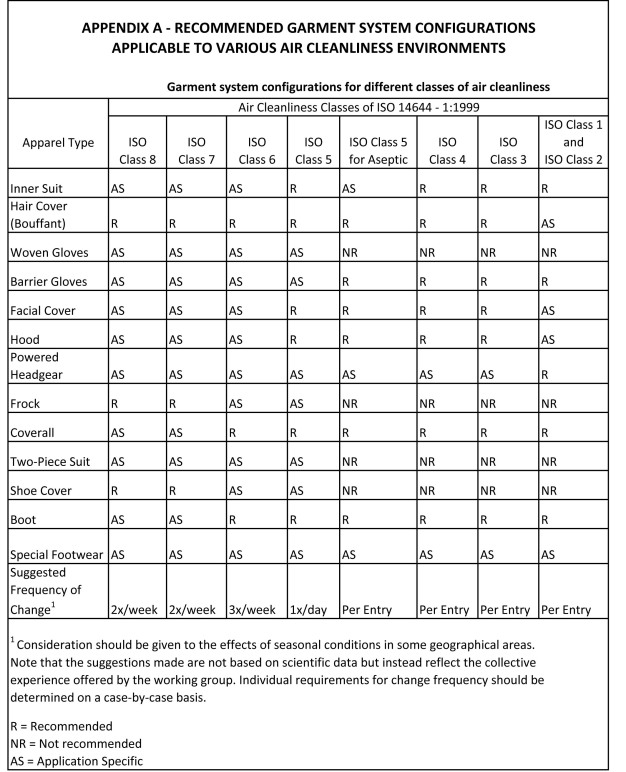
Table 1: Excerpt from IEST-RP-CC003
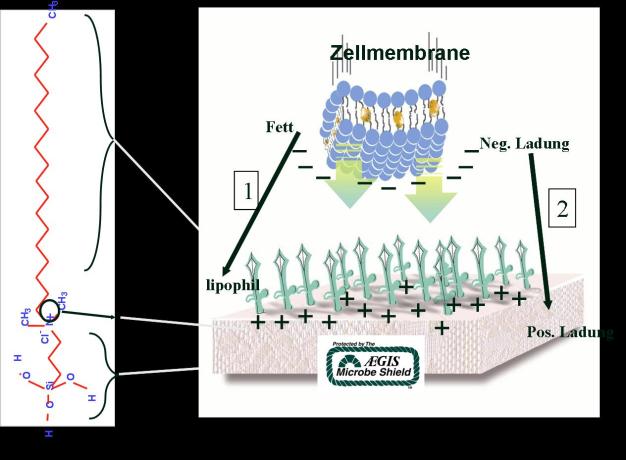
Fig. 1: Microorganisms are attracted
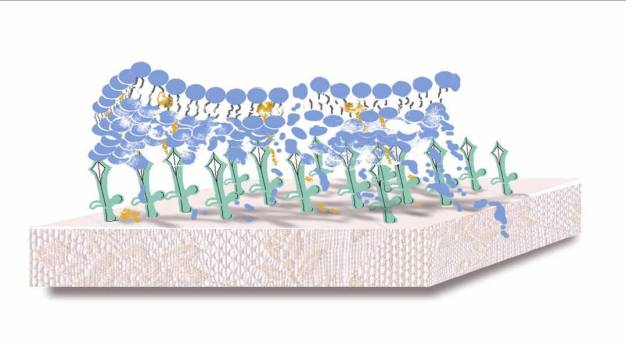
Fig. 2: Cell membranes are broken open
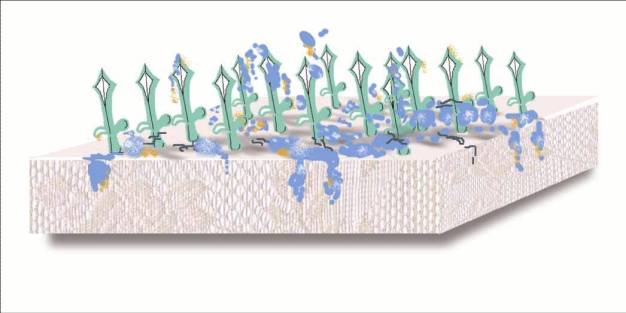
Fig. 3: Microorganisms are unable to reproduce
A well-thought-out clothing concept for production in cleanrooms or sensitive manufacturing areas is an essential basis for contamination control. Cleanroom clothing must meet textile technical requirements that comply with production-specific regulations, protect both product and personnel from contamination, and also offer maximum comfort for the wearer. The latter point should not be underestimated when selecting clothing.
The importance of the right clothing concept for working in controlled production environments is one of the key factors for quality in the cleanroom. There are no standard solutions. Competent advice in assembling an optimal cleanroom concept considers production conditions, the on-site situation, and the specific requirements of users. The key points in the decision-making process are:
â¾ Cleanroom environment
â¾ Properties of the cleanroom fabric (technical, functional)
â¾ Proper preparation
In fabric selection, regulatory requirements dictated by the cleanroom class are the decisive criterion. A multitude of guidelines, such as the specifications of EN ISO 14644-5, Annex B, as well as the GMP guideline, Annex 1, provide helpful orientations. These recommendations should always be aligned with the specific cleanroom process. An international guideline is the excerpt from IEST-RP-CC003.4, which formulates the recommendations shown in Table 1.
When choosing fabric, less is often more. Not only is fulfilling all technical possibilities important, but comfort aspects should not be overlooked. Wearing comfort is a factor often neglected when selecting cleanroom clothing. However, comfort is a crucial factor for successful and productive cleanroom operation. One parameter that contributes to comfort is the antimicrobial treatment of the fabric.
Who doesn't know it: during sports, manual work, or even sitting under stress, sweat flows, and with sweat, unpleasant odors develop in clothing. What might be acceptable in private life can be a burden for the wearer – and their colleagues – in a controlled production environment, and should be minimized as much as possible.
Especially in synthetic fibers, odors develop particularly strongly. Thanks to modern technology, cleanroom clothing no longer has to smell "musty." As one of the clothing concepts for sensitive manufacturing areas, Quantus uses the Aegis Microbe Shield technology in all fabric qualities (Standard, Comfort, Protect, Protect Xtra, Control). It is a permanent, antimicrobial, non-migrating fabric treatment that minimizes unpleasant odors and thereby maintains a high hygienic standard.
The mechanism is simple and functional at the same time: the fabric is equipped with a weakly charged polymer treatment. Microorganisms are attracted by the different electrical charge and then mechanically destroyed on the product by "molecular swords." The entire defense process occurs without migration to skin or environment.
Only microorganisms that come into contact with the substrate are killed, not the necessary microorganisms living on our skin.
In a complete clothing concept for the cleanroom, the intermediate clothing – also equipped with Aegis Microbe Shield technology – should always be considered. From a "cleanroom technical" perspective, the use of 100% synthetic fibers is recommended to minimize or prevent fiber breakage. However, with intermediate clothing, it’s not just about the particle potential already reduced under the outer cleanroom clothing; odor minimization is particularly important here, as there is direct skin contact. Comparisons in wearing tests show clear advantages in comfort.
Besides the perceptible benefit of odor reduction, the effects of Aegis Microbe Shield technology in Quantus offer many other advantages:
- Control or reduction of microbial contamination
- No cross-contamination with products
- No environmental impact
- No allergic skin reactions in the wearer
- No special care or decontamination required.
Conclusion
When assembling a tailored clothing concept, the balance between regulatory requirements and individual comfort should be maintained. With modern textile technologies and competent advice in the development of the concept, individual solutions with optimal results can be achieved.

VWR International GmbH
Hilpertstraße 20a
64295 Darmstadt
Germany
Phone: + 49 6151 39720
email: info.de@vwr.com
Internet: https://de.vwr.com



