- Translated with AI
Biozid phase ahead – Tackle the MIT-Freedom project in time
Significant restrictions on product preservation based on methylisothiazolinone are imminent
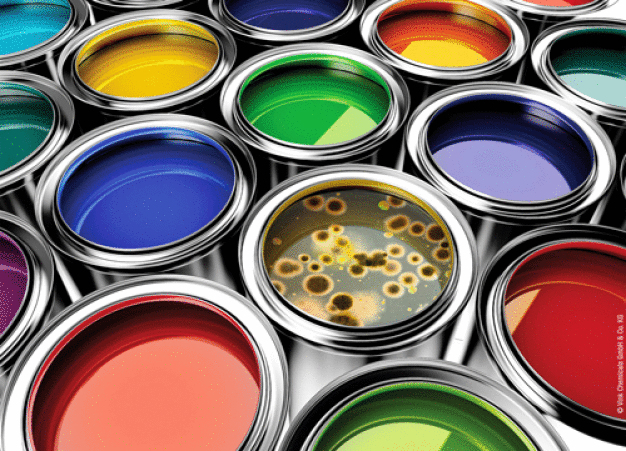
Vink Chemicals supplies label-free active ingredient alternatives to Methylisothiazolinone, including for paints, varnishes, and wood protection products, and provides comprehensive advice to users on this topic.
In 2019, the substance-specific concentration limits for methylisothiazolinone (MIT) in many applications were lowered. Products previously preserved with MIT must then be labeled with additional hazard warnings. Companies should promptly prepare for the switch to active ingredient alternatives for paints, varnishes, adhesives, as well as washing, cleaning, and maintenance products (WPR).
"The trend is moving away from MIT due to significant restrictions," says David Zilm, Sales Manager at Vink Chemicals. The most affected applications are as a pot preservative and in the coolant lubricant sector in metalworking. "Simply reducing the active ingredient levels is not the solution. It actually poses more risks. Low concentrations can cause microbial resistance. Therefore, we offer a variety of combinations as alternatives," emphasizes Zilm. Methylisothiazolinone is a proven preservative that has been successfully used for many years in paints, varnishes, adhesives, washing, care, and cleaning products. However, the EU has classified mixtures containing MIT as skin sensitizers category 1A and has therefore set a new substance-specific concentration limit of 15 ppm for these substance classes. This represents a significant reduction from the current level of 100 ppm. The new limit applies from 2019. A mixture containing MIT must then be labeled with the hazard statement H317 "May cause allergic skin reactions" starting at a concentration of 15 ppm. "For do-it-yourself applications, the hazard statement H317 is simply unthinkable," says biocide expert Zilm. Active ingredient alternatives are necessary because methylisothiazolinone is not effective at an active substance content below 50 ppm.
Vink Chemicals has excellent active ingredient formulations in its product range that do not require the hazard statement H317 on the label at the necessary application concentration. An example is Vinkocide KN, a combination product of benzisothiazolinone (BIT) and sodium pyrithione. To utilize the time until 2019 for the necessary testing, compatibility, and microbial load tests, Vink Chemicals recommends biocide users to seek advice now on suitable alternatives for their products. Vink Chemicals offers a complete comprehensive service on this topic for manufacturers of paints, varnishes, adhesives, and WPR products.
Vink Chemicals
21250 Tostedt
Germany